
Do you ever get hit by a sudden idea and think:
“This could really work… maybe it could even become a business?”
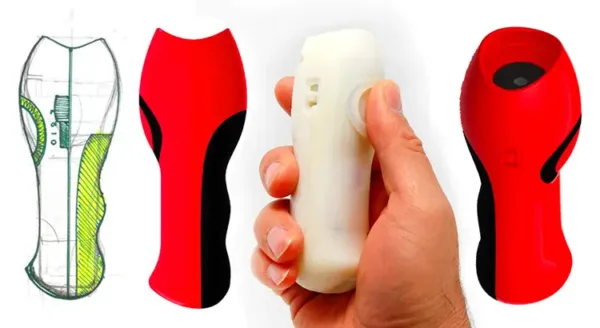
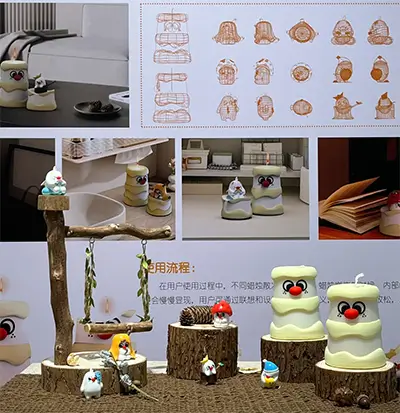
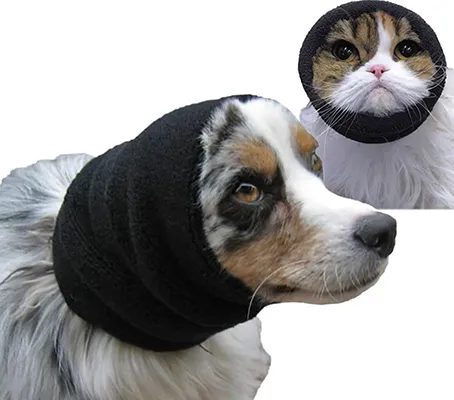
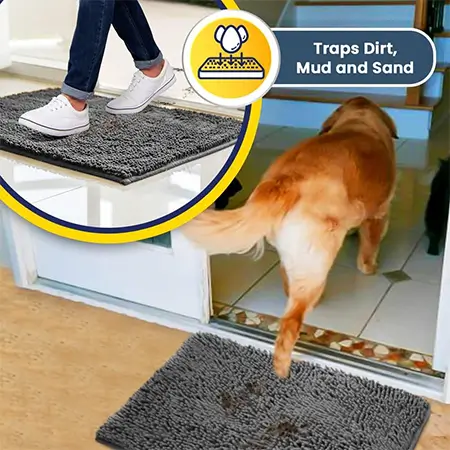
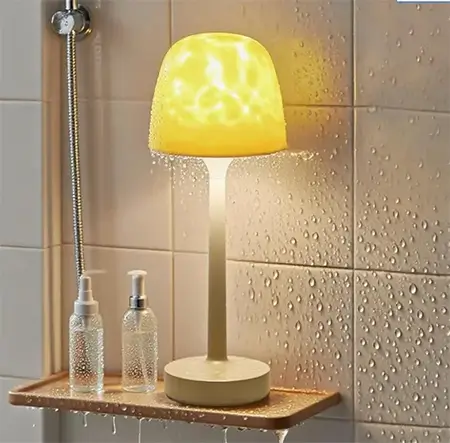
It happens more often than you think — just like these:
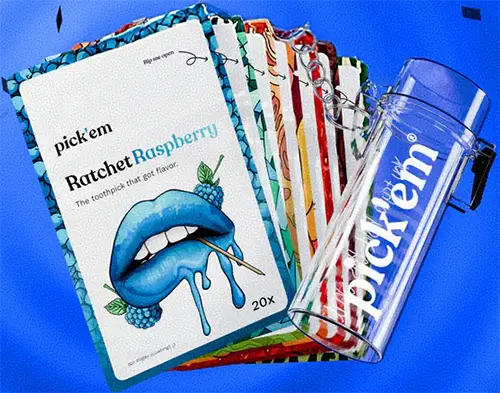
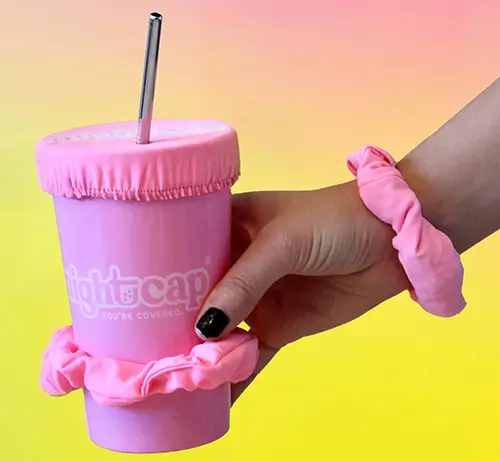
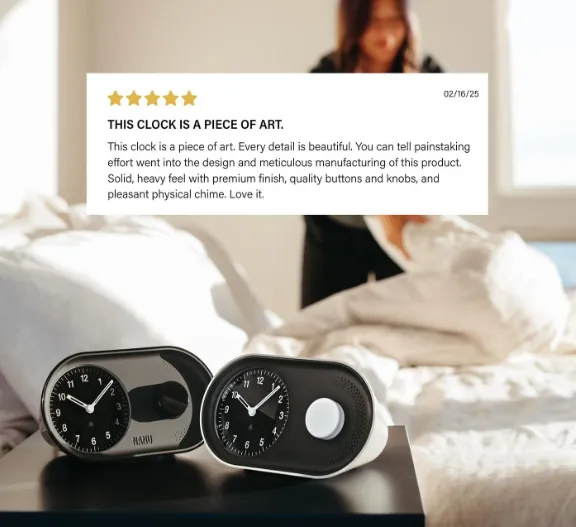
But here’s the reality: less than 5% of people actually take action. Not because their idea isn’t good — but because they don’t know where to begin, or they’re worried about manufacturing in China safely, reliably, and without burning money.
Over the years, we’ve helped many Amazon/Shopify sellers improve existing products and supported countless Kickstarter/Indiegogo creators in bringing their ideas to life. And here’s what we’ve discovered along the way:
Most successful products don’t start from scratch — they come from making smart, simple, and doable improvements to products that already work.
In today’s post, I’ll walk you through the entire process in 9 steps, so you’ll know exactly how to develop and manufacture your own unique product in China — with practical tips at every stage.
- What to prepare before reaching out to manufacturers?
- Alibaba or JingSourcing — who’s better for your custom product?
- How to choose a good supplier if you’re doing it yourself?
- How to protect your product idea from being copied?
- How much will the whole custom project cost?
- Make and approve a pre-production sample.
- Customize packaging for your products.
- JingSourcing vs Alibaba, which fits your business?
- Start mass production, inspect goods, and arrange shipping.
1. What to prepare before reaching out to manufacturers?
Provide a reference sample or product photos
If you’re making simple changes to an existing product — like adjusting the color, adding a logo, or tweaking small design details — you can:
- Find photos of similar products and mark the areas you want to change using a drawing tool or text.
- Or send the physical sample directly to the supplier and add small sticky notes to show each modification clearly.
For this kind of light customization, a reference image plus clear annotations is more than enough to start the communication.
Provide a design sketch or prototype
You can simply sketch your idea on paper — just like many of our clients do.
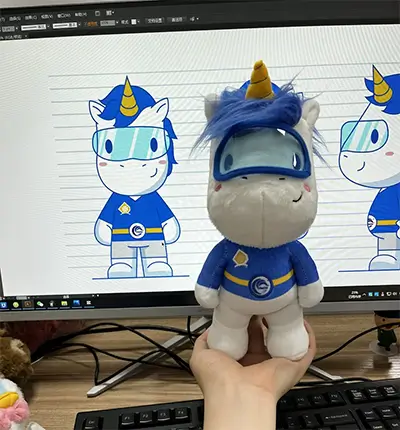
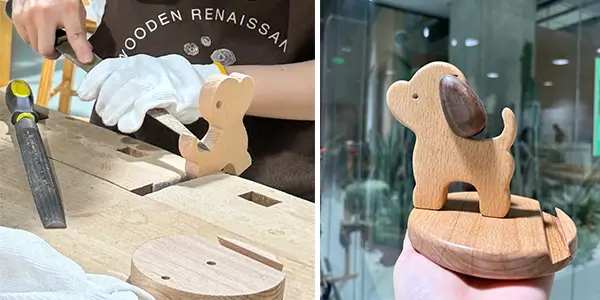
For products like clothing and other textiles, wooden items, vinyl toys, silicone products, scented candles, and similar categories, a basic design sketch is usually enough. Most factories in China can help turn your sketch into proper design files and hand-make the prototype.
You can also create the initial prototype locally. Taking dog onesies for example, you can find a local seamstress to sew the first version — so you can test the fit, sizing, and pattern before moving forward.
For metal and plastic products, you can work with a local product design firm or hackerspace — they’ll create 3D drawings and help make and refine the prototype until you finalize the materials, structure, functionality, and the final 3D model.
If you can’t find a good option locally — or the price is just too high — you can always work with a team in China instead.
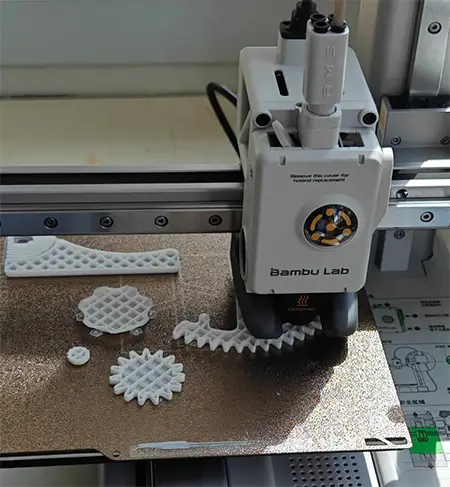
- Simple plastic parts (3D-printed): start from $10/pc.
- Basic full plastic toy prototype: around $300.
- Time for simple projects: 5–7 days, including material prep and design adjustments.
If your design is complex, it’s better to work with a trading company that really understands products and is easy to work with — like JingSourcing. They can handle everything from design and prototyping to molding and mass production, keeping the product development process smooth and saving you a lot of time.
2. Alibaba or JingSourcing—who’s better for your custom product?
Alibaba is a popular choice for many importers because it covers almost every product category and is easy to use.
For simple products and light customization — like adding a logo or changing the packaging — you’ll find plenty of suppliers. Just compare a few suppliers (at least 3–5), and you’ll quickly get a sense of the price range and quality levels. It’s relatively straightforward.
If you plan to customize a kit, you’ll have to find a separate supplier for every item in it and redo the packaging. Handling all of this on your own isn’t easy, and it’s especially challenging for beginners with little experience.
As for complex customization, things can get tricky.
It’s hard to find someone who truly understands your product idea.
Most people you talk to on Alibaba are just customer service reps — they don’t really work with the product. So they often struggle to understand what you really need, and the communication ends up taking a lot of effort.
It’s also difficult to find suppliers who are willing to go through multiple rounds of design and prototype refinement with you.
Honestly, if a supplier doesn’t see real buying intent, they’ll think you’re just testing the waters and might not order at all after all the changes. Naturally, their time and energy will go to clients who are more certain and more likely to bring real orders.
JingSourcing: more efficient and cost-effective to customize products
1. Better prices and MOQs
We’re based in a major manufacturing hub and have integrated factory resources across China. This allows us to cover entire supply chains for all kinds of products — from raw materials, prototyping, molding, to component production, assembly, packaging, and logistics.
Because of that, we can match you with the most suitable factories for your product. And since our factories are audited and long-term partners, we’re able to offer better pricing and lower MOQs than most Alibaba suppliers at the same quality level. And if the price is the same, our quality is usually higher.
2. Rich customization experience, easy to work with
With years of hands-on experience in private label and new product development, we understand different market aesthetics and a wide range of consumer product categories — from toys, hoodies, and socks to handbags, home goods, and more.
Once we get your custom product ideas, we’ll communicate with the factory and manage the entire prototype iteration process until the final sample is confirmed — offering proven solutions along the way.
3. Best efficiency and pricing for projects involving multiple factories
Using custom product bundles as an example, we know which factories can produce each item in the set, so we can collect everything quickly while making sure the materials, quality, sizes, and styles match exactly what you need.
For packaging, we work with cost-effective factories and have our own designers. We’ll place all the items into the packaging box for testing to ensure the space is used properly and the box isn’t oversized — helping you avoid higher fulfillment fees.
All products and packaging are shipped to our warehouse for final assembly as a complete bundle. You don’t need to worry about high factory labor costs, and you won’t have to coordinate multiple suppliers on your own.
3. Key considerations when choosing suppliers yourself.
Prices and MOQs
Price matters, of course — but don’t pick a supplier just because they offer the lowest quote. If you’re a startup or testing a new market, the most important thing is finding someone who’s actually willing to take your small order.
Factories usually set the MOQ to spread the cost of raw materials, machine setup & labor.
Close to the MOQ
This is the easiest situation to negotiate. If a factory’s MOQ is 1,000 pcs and the quote is $5/pc, you can say:
“We’d like to customize 700–800 pcs first to test the market, and we’re willing to pay a slightly higher unit price. If the results are good, we’ll place more orders later.”
This keeps the factory’s profit covered. So they’re naturally willing to take the order.
If a supplier is stubborn and refuses to negotiate, don’t waste time — just switch to another one. There’s always someone willing to work with you.
Far below the MOQ
If your quantity is only about 10–20% of the MOQ, it’s hard to find suppliers to do it. But it’s not impossible — it depends on the product type and whether you’re open to paying a much higher unit price.
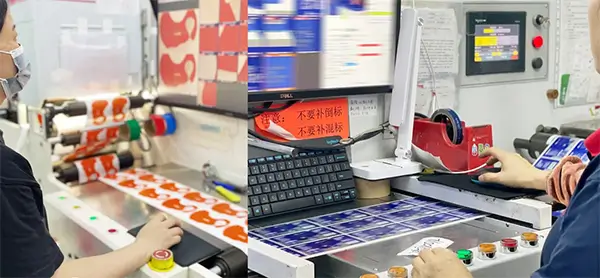
Take custom packaging boxes as an example. There are fixed costs like plate-making and printing fees. A factory’s normal MOQ of 2,000 units allows these fixed costs to be spread out evenly.
But if you only order 800 units, all of those fixed costs get allocated to just 800 pieces, so the unit price naturally becomes much higher.
Product quality & communication support
Whether a supplier is reliable, easy to communicate with, and produces good work will almost decide how smoothly your project goes. There’s no complicated method here. Just talk a few times and look at their samples. You’ll quickly feel the difference.
How well do they understand your needs?
Some factories still won’t get the main point no matter how many times you explain it, while some get it right away.
Do they have patience and are they willing to solve small problems with you?
Early-stage development always involves back-and-forth changes. Suppliers willing to work with you on adjustments will save you a lot of time and emotional stress.
How fast and professional are their replies?
If every message takes a full day to get a response, forget it — the cooperation will only get more exhausting over time. Also, pay attention to whether they only say “yes, yes, yes,” or if they can actually give you professional advice.
How good are the samples?
Check the samples to see whether the workmanship is consistent and the details are done well. For example:
- Plush toys — Are the stitches neat? Any loose threads?
- Plastic products — Any small dents, scratches, or uneven color? Are the snaps smooth to use?
- Metal products — Are the edges sharp? Is the coating even?
In short, it should look well-made and feel comfortable to use.
To find a supplier who communicates well and offers acceptable pricing and quality, you need to put in more effort upfront and place a small trial order to see how they perform in real cooperation. That’s the most reliable way.
4. How to protect your product idea from being copied?
Always sign an NNN agreements before sharing your design files
Before sharing your 3D files, structural details, or core ideas with a supplier, make sure they sign NNN agreements first.
However, NNN agreement isn’t a magic shield — it can’t guarantee 100% protection against copying.I f your product sells well, copycats will appear sooner or later. The simpler the product is — especially those that rely on appearance or small creative ideas — the faster others will follow.
Think of things like ambient lights, pet drying mats (basically a bath mat with a new use), or pet ear muffs. Once they get popular, you’ll see tons of similar versions in no time.
Patent protection works best
If your product has clear structural innovation, visual innovation, or involves any new functional or technical design, applying for a patent is the most reliable way to protect it.
The most beginner-friendly option is a Provisional Patent:
- costs less than $300.
- much simpler than a full patent.
- lets you secure priority for your idea.
- gives you one year to decide whether to upgrade to a full (non-provisional) patent.
During that one year, you can test the market and decide whether your idea is worth filing as a full patent.
Remember, patents only protect you in the countries where you apply. So apply in the countries where you plan to sell — starting with your biggest 1–2 markets is usually the most cost-effective approach.
5. How much will the whole project cost?
When customizing a product, it’s important to have a rough budget in mind. Just ask the supplier for a cost breakdown.
In general, the costs of a custom project can be divided into three stages.
1. Pre-production costs: samples, prototypes, molds & testing
For simple customization, you usually only pay for the sample and its shipping.
For example, if you want a custom hoodie and only need your graphic screen-printed onto a blank hoodie, the sample fee is typically around $10–15.
If you’re getting samples from multiple suppliers, you can ask them to send everything to one supplier or your sourcing agent. They can combine all the samples into a single package and ship it to you — it’s cheaper and much more convenient.
For more complex customization, there are additional costs involved.
Prototype costs.
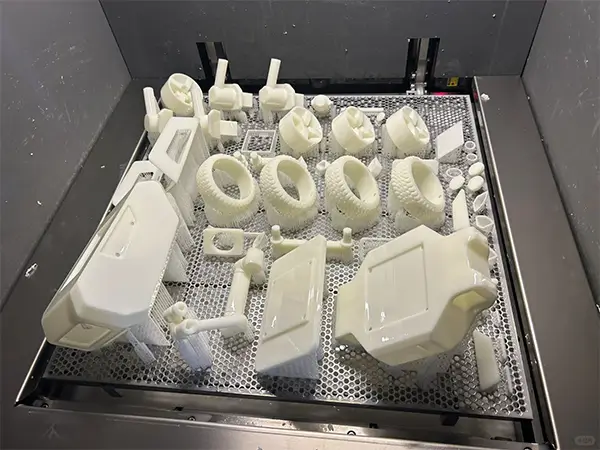
For example,3D-printing a prototype usually costs anywhere from a few dozen to a few hundred dollars, depending on the product’s complexity.
Molding cost. This varies widely by product type.
- Silicone molds for scented candle shapes are around $35 per mold.
- Vinyl toy molds start at $300.
- Plastic product molds are the most expensive — a single part often starts at $2,000.
- Metal product molds tend to be slightly cheaper than plastic ones.
Testing fees.
Whenever there are changes to a product’s appearance, materials, structure, or functionality, you’ll need to redo testing and certifications.
2. Bulk production costs
This part is straightforward — once you approve the sample, you place the order and pay for the products. It includes costs of raw materials, mass production, and packaging.
Just ask the supplier for the EXW price, and you’ll know the product cost.
3. QC fees and shipping costs to your location
Buyers usually hire a third-party inspection company or reliable sourcing agents like JingSourcing to inspect finished goods in China.
QC fees (per person per day)
Third-party inspector: $200–350
JingSourcing inspector: $150
Shipping costs from the supplier to your location
This depends on the product type, weight, volume, and shipping method.
You only need to ask the supplier for the DDP price — it includes the product cost plus all shipping fees from the factory to your location, plus customs clearance and duties.
A simple way to estimate your shipping cost is:
DDP price – EXW product price ≈ total shipping cost.
6. Make and approve a pre-production sample
The pre-production sample (PP sample) turns your idea into a product that can actually be mass-produced. From the first sample to the final PP sample, you’ll usually go through a few rounds of refinements. The PP sample you approve becomes the standard for both production and QC.
Confirm PP sample materials, structure & production process
The PP sample must be made with the same materials and manufacturing process as the bulk run — unlike a prototype, which often uses cheaper materials and is only meant to show the design concept.
Materials, structure, and workmanship will affect the product’s cost and quality. An experienced supplier will tell you what works best and what helps you save money.
Take our US client’s self-stirring milk bottle project as an example
The prototype was made in the US, with the circuit board and all electronic components sourced from US suppliers, which made the cost extremely high.
We helped him find a factory in China and redesign the entire circuit board to keep the same functionality while switching all components to China-made parts, reducing the overall cost by 50%.
Check the PP sample’s appearance and details
Make sure the overall look is exactly what you want — color, size, printed logos, labels, and every detail.
Test the PP sample: functionality, quality & compliance
Customize an existing product with your logo or colors
For simple customization like adding logos or changing colors on existing items, you can usually test it yourself. For example, if you print your design on a blank umbrella:
- Open and close it several times to see if the frame is stable and smooth
- Check the fabric for small defects
- Scratch the print lightly with your nail to see if the ink comes off
- Sprinkle some water to see if the coating or pattern smudges
As for compliance, adding a logo or changing colors doesn’t alter the product’s structure. So as long as suppliers’ original certifications are still valid, they usually remain usable.
Note: Toys, electronics, children’s products, food-contact items, cosmetics, and anything medical-related typically require the necessary product certifications.
Modify the product’s appearance, materials, structure, or function
No matter whether you change the product’s appearance or upgrade its materials, structure, or functionality, you’ll need to redo testing and certifications based on the final approved sample.
If you’re not sure which tests or certifications your product requires, the safest option is to consult a third-party testing agency such as SGS, Intertek. You can also ask your supplier or sourcing agent — just don’t rely on them entirely.
7. Use the PP sample to start marketing
For a new product, the earlier you test the market, the better. A PP sample already shows the full functionality, materials, size, and selling points — so you can immediately use it to shoot photos, videos, and ad creatives.
Then start testing your channels — KOLs, Amazon listings, landing pages, or launching/updating a Kickstarter or Indiegogo campaign.
If the results look promising, you’ll likely start receiving your first orders. At that point, you can evaluate whether you should increase the initial production quantity so your inventory can keep up with your expected sales pace.
If the feedback isn’t ideal, continue refining the PP sample or switch to another product and keep testing.
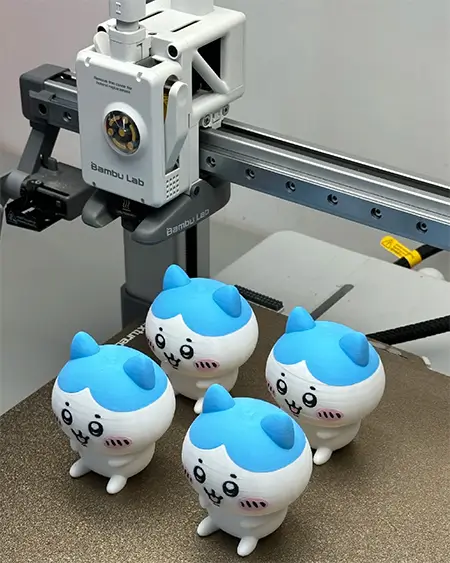
If your product is something like creative toys, figures, or decorative pieces where the “design shape” is the core selling point, you can also start by 3D-printing a small batch of 100–200 units to test the market instead of investing thousands of dollars to open a new mold right away — just like many of our clients do.
8. Customize packaging for your products
To customize packaging, I honestly don’t recommend going on Alibaba to search for suppliers. You’ll likely find high MOQs and prices that aren’t cheap at all.
Just let us handle the packaging for you. Whether you need a few hundred or tens of thousands, we can get it done efficiently and at a better price. We’re based in Yiwu — China’s biggest packaging hub — so resources are flexible, fast, and cost-effective.
And if you need help with the design part, we also offer affordable in-house packaging design — making the whole process even easier.
9. Start mass production, inspect goods, and arrange shipping
Once you place the order, the factory will start mass production. Don’t assume you can just sit back — keep following up and make sure the bulk goods match your sample.
If you’re using JingSourcing’s suppliers, we’ll keep an eye on everything — from raw materials to semi-finished goods, finished products, and final packaging QC.
If defects go beyond the agreed limit, we’ll compensate you. Most suppliers won’t do that.
When it comes to shipping from China, the easiest and safest option for beginners is to let your supplier handle the international shipping. Just choose DDP (Delivered Duty Paid) and the whole process becomes super simple.
Of course, you can work with a local freight forwarder if you prefer — just make sure you have the time and energy to manage all the communication and steps yourself.
Before we wrap up
To customize or develop products, the hardest part isn’t designing or sampling — it’s finding a supplier who actually gets you and is willing to work with you step by step.
The right supplier should really understand your product — the industry, the budget, and the customers you’re targeting. More importantly, when problems come up, they should give you real, workable solutions… not just say, “Yeah, no problem.”
That’s exactly what sets JingSourcing apart.
- We walk you through the whole process from 0 to 1, so even if you’re just starting out, you can move forward without stress.
- When your business takes off, we’ll still be here to manage your China supply chain — keeping prices, quality, and lead times steady, and growing together with you.
Whenever you’re ready to chat about your project, we’re always here to get things going.
Excellent article. Quite detailed.
Hello
My names are Abdirahim Dahir from Kenya I have a new product being developed in China the prototype is on build up stage.can you manufacturer and supply on reasonable price to supply African markets.
Looking forward hearing from you
Regards
Abdirahim Dahir
Thank you so much for such a great description and information it’s a great article. Best of luck for everyone
Thank you for your comment and your sincere wishes!
This is turely an impressive guide! Love how you showed the entire process step by step from beginning all the way to massive introduction. Awesome!
Thanks for your comment. We will create more useful guides for you!
The article was up to the point and described the information very effectively. Thanks to blog author for the wonderful and informative post.
Thanks for your comment, glad to know you like the post, feel free to contact us if you have any needs.