Finding a product to private label looks pretty easy. You have an idea, find a factory, make a few changes, and give it a shot. But once you actually do it, things get tricky — getting people to want it, getting it made, and keeping it going.
Here are 5 real product stories from projects we’ve worked on with our clients — some got things right, while others learned the hard way. You’ll see the smart moves that helped some products work, and the assumptions that led others in the wrong direction.
Bundle innovation isn’t just about adding or removing pieces
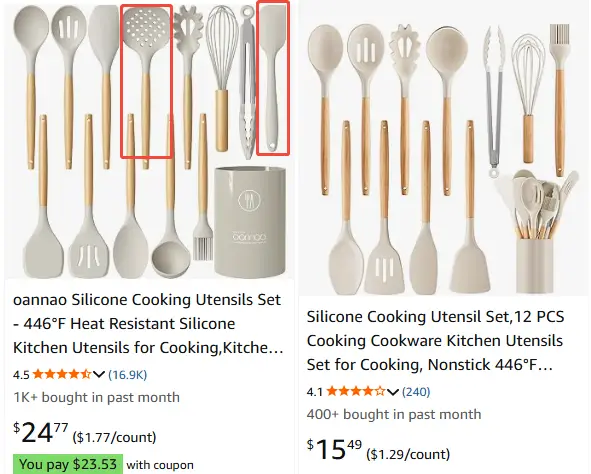
Our client wanted to sell cooking utensil sets on Amazon. The best-selling option was a 14-piece set, but he didn’t simply copy it. After checking reviews and actual use, he removed two less-used pieces. But cutting the set to 12 didn’t save much, since most of the cost came from the silicone. He had no real advantage in quantity or price.
We helped him identify his target customers. They didn’t need premium quality, just something good enough for everyday cooking. By adjusting silicone usage without affecting normal use, we cut costs enough to price his set $8 below the 14-piece version. Sales quickly caught up after launch.
Some buyers simply want a product that works well, meets their needs, and feels like a good deal. When creating a private label bundle, don’t blindly compete by adding more pieces or pushing for higher quality. These changes only matter if customers are willing to pay for them. Before adding, removing, or upgrading anything, think about what customers really want.
Can a new feature really make a product better
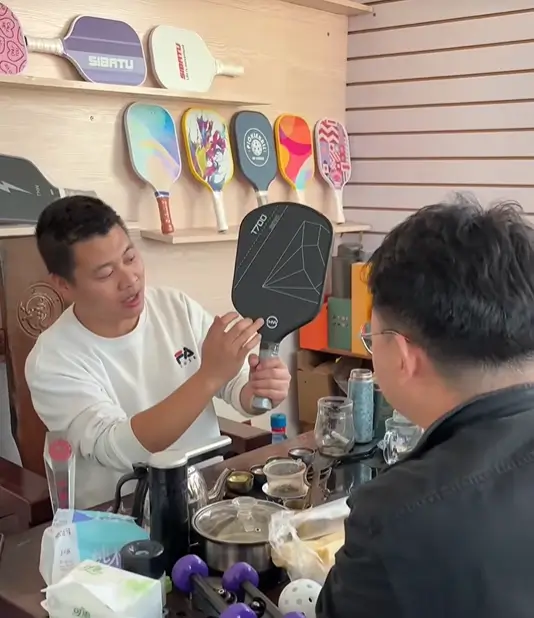
Our American client wanted to create a pickleball paddle with a built-in smart wristband, but he only wanted 200 pieces. Nothing like it was on the market yet. We talked to several factories, but they all said no. They’d rather stick with regular paddles that already sold well.
Then we found a young factory owner who also played pickleball. He liked the idea and gave it a try. They got the paddle made, but once it went on Amazon, it didn’t get much attention.
That’s an easy trap with private label. You see something selling well, add a new feature, and think you’ve made it different. But a useful feature doesn’t mean customers want it. For small businesses, real product innovation is hard. Success stories like Apple or DJI are rare—you need the right product, market, and timing. Don’t rush to innovate just for the sake of being different.
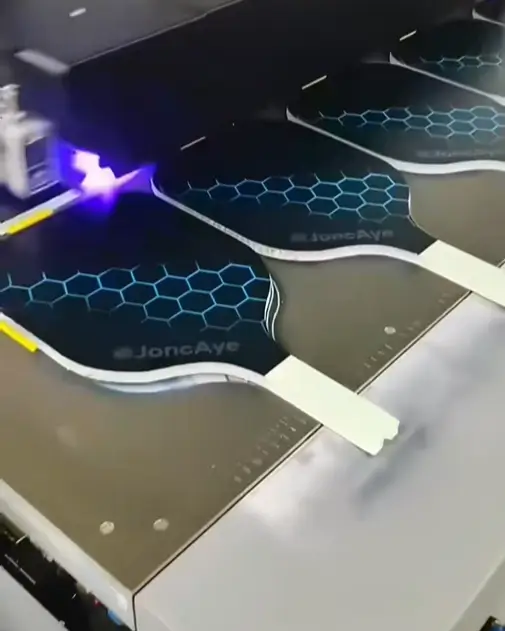
We’ve helped many clients create their own private label products, from building bundles and adding new features to customizing colors, logos, and packaging. We have plenty of hands-on experience, so feel free to come talk to us.
Don’t copy a new hit product without reading the reviews
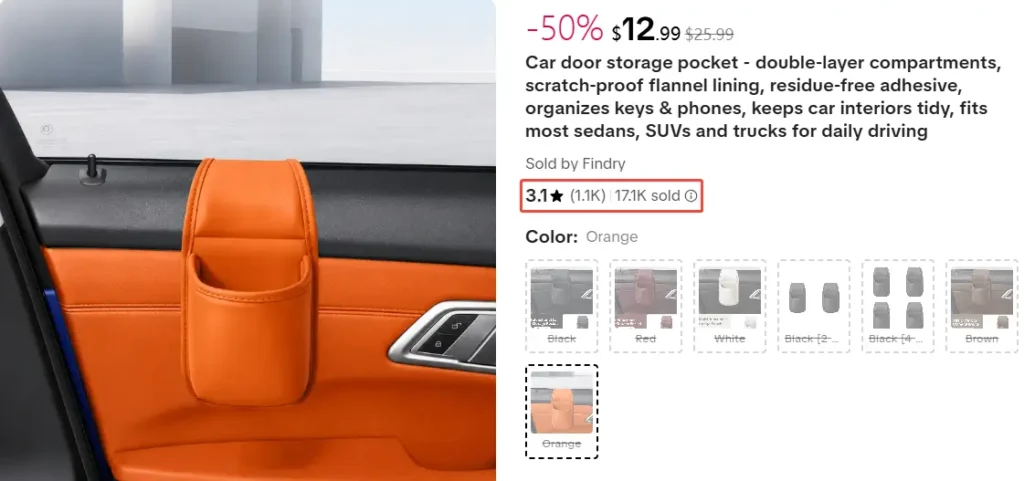
A car door storage pocket became a hit on TikTok. It sticks to the car door, giving drivers a handy spot for drinks and small items. It sold over 17.1K units in the first two weeks, but only had a 3-star rating. Buyers complained that the material felt cheap and the tape didn’t stick well.
We’ve seen plenty of sellers rush to copy a new viral product. Strong sales show there’s demand, but don’t mean the product is mature yet. For small sellers, it’s safer to choose products with stable quality that have sold well over time. If you still want to follow a trend, check the negative reviews and find a factory capable of fixing those problems at a reasonable cost.
Not every product is easy to copy
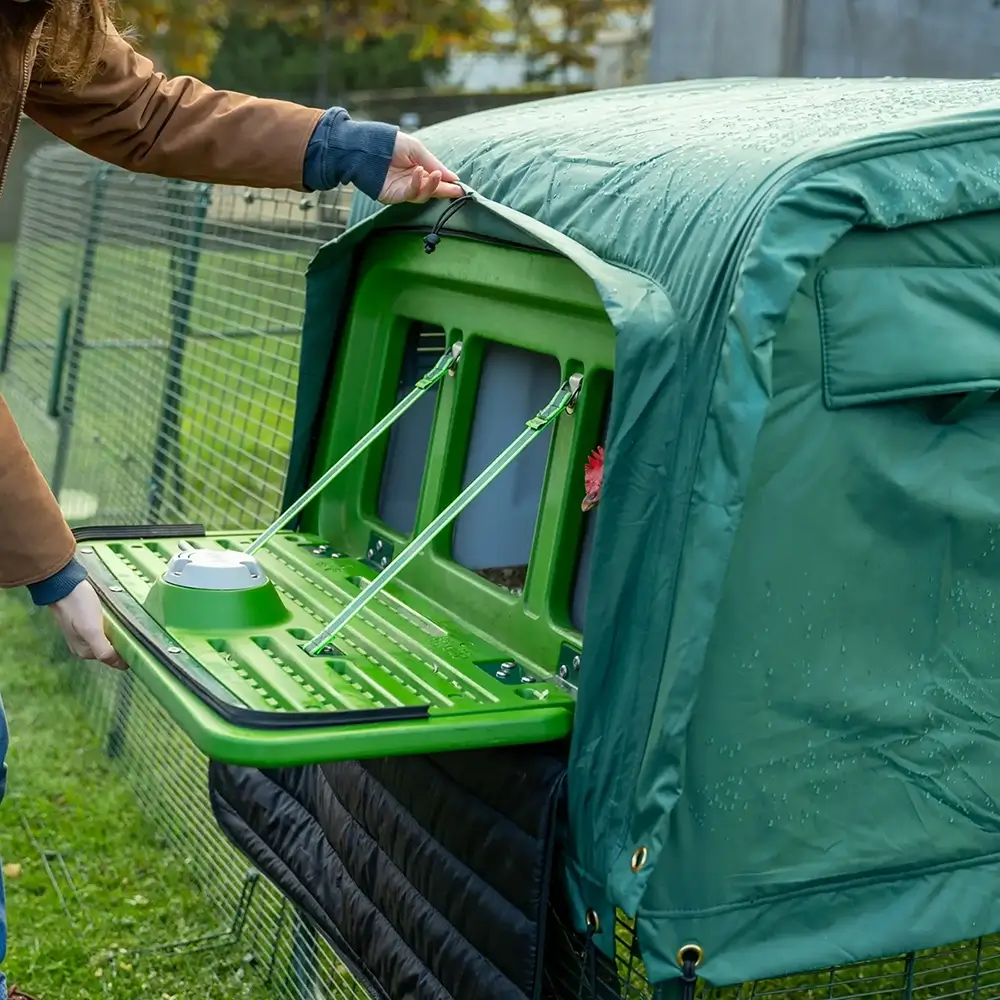
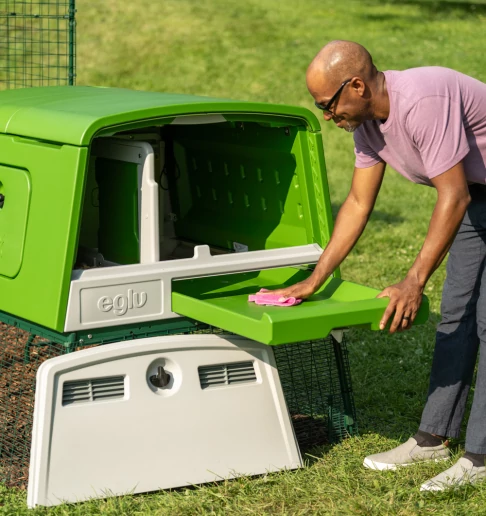
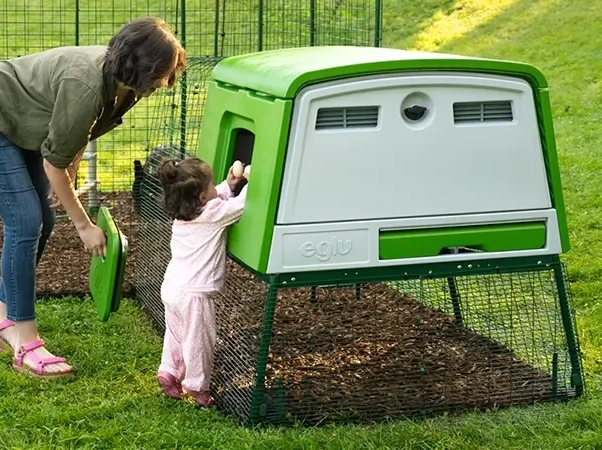
Four UK industrial design graduates created a new kind of chicken coop. Traditional ones were basically wood and wire mesh — big, bulky, and hard to move. They used polyethylene and resin instead, making it look more like a pet house. It took eight months and over 20 prototypes to get the design right. The result was easier to clean, move, collect eggs, and check on the chickens.
This kind of product is very different from simply changing a color or adding your logo. Real differentiation can require industrial design, material knowledge, new molds, testing, and multiple rounds of prototypes. You also need a factory that can actually develop it with you. So before copying a new or popular product, look at the cost and difficulty of making something similar. Some products are easy to differentiate; others take serious time, money, and expertise.
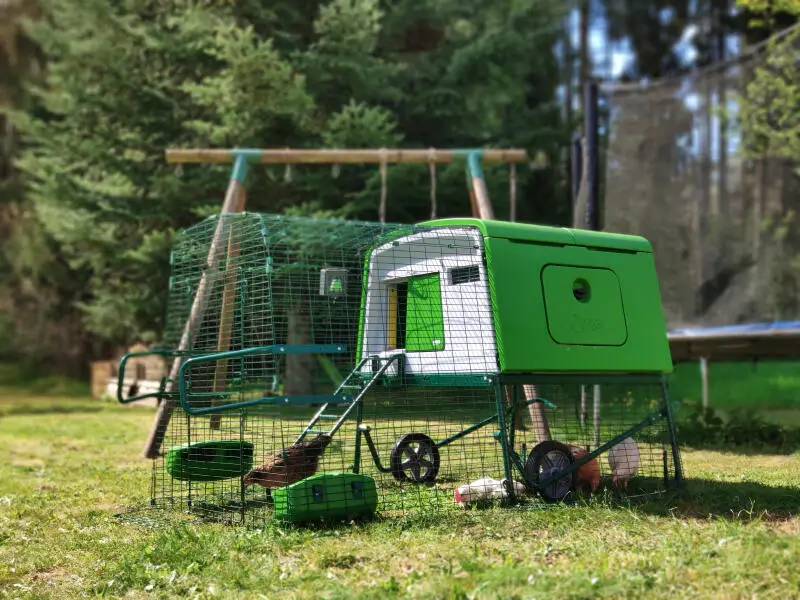
We know Chinese factories and the production process well. We can help you assess how feasible a product is to make and spot potential problems early on. If you have a product in mind, we’d be happy to take a look.
Smart differentiation doesn’t have to be expensive
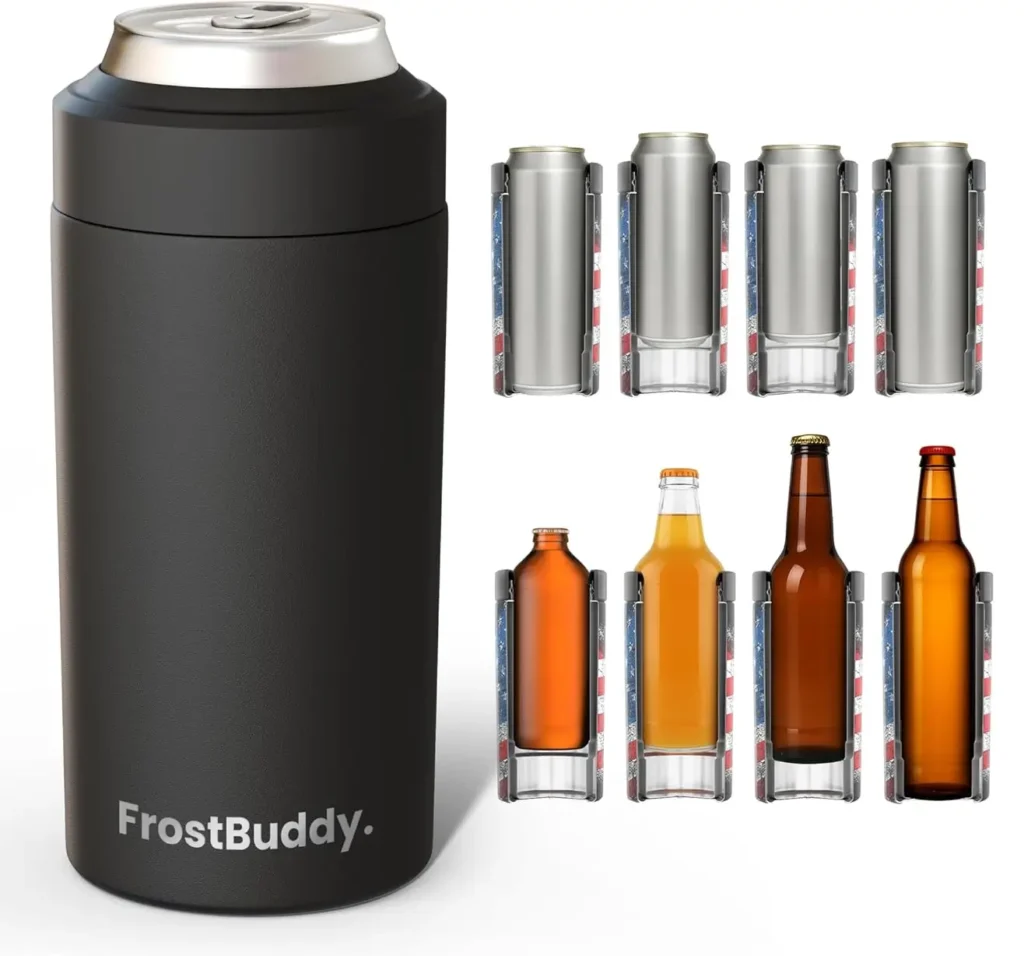
Two college brothers in the U.S. started Frost Buddy with a universal can cooler. Most can coolers only fit one size, but drinks come in 12oz cans, 16oz cans, skinny cans, and even glass bottles. One cooler isn’t enough, and you’re not going to carry a few different ones around. So they designed the inside to fit all those different sizes. It took off on Amazon and TikTok.
The clever part? It fixes a little annoyance people just put up with. If you’re doing private label, products like this are worth a look. Buyers care more about whether it works than what brand it is.
But don’t see it selling well and think you can do the same. A lot happens behind the scenes — the right factory, keeping costs down, and a supply chain that can keep up. Get those wrong, and the same product that makes money for someone else can lose money for you. So it’s not enough that customers want it. You also need to be able to pull it off.
An idea is just the start. You still need the right factory to turn it into a real product. And this is something we know well. Over the past 10 years, we’ve helped more than 5,000 clients source products from China. Many are small brands selling on Amazon and Shopify. We’ve helped them develop private label products within their budgets, making it easier to get started. Come talk to us about your project.