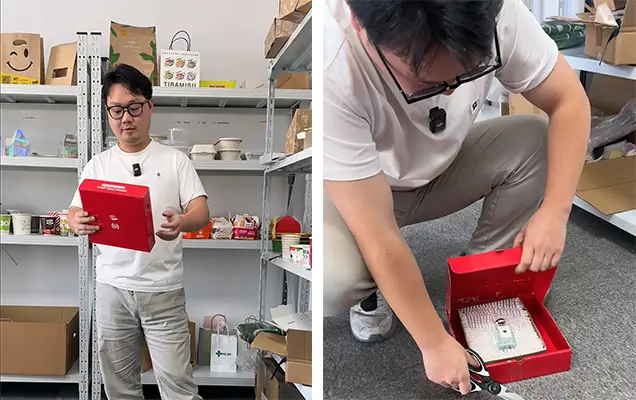
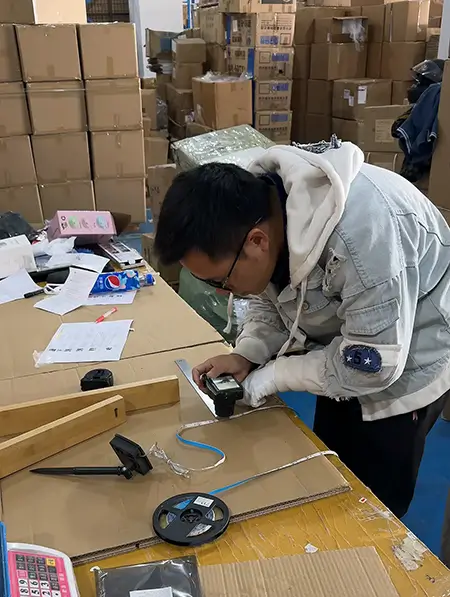
In large companies—especially in electronics manufacturing—OEM and ODM are often used to distinguish who leads product design and technology, who owns the brand and patents, and who is responsible for manufacturing.
Typical OEM examples include:
- Apple and Nintendo handle product design and branding, while Foxconn is responsible for manufacturing.
- BMW leads vehicle design and branding, while components such as engines and transmissions are produced by different suppliers based on its specifications.
Most small and mid-sized business owners don’t have a full product R&D setup or an in-house team. Complex technical patents are rarely part of their day-to-day work. Most of the time, they just say:
“I want to make some changes based on an existing product—logo, colors, materials, etc. Can you help with that?”
If you’re a large enterprise, the Apple or Nintendo model is what you need to understand.
But if you’re a small or mid-sized business buyer, this article is worth reading—it focuses on how OEM and ODM actually work when sourcing from China. Here’s what we’ll cover:
What is ODM (Original Design Manufacturer)?
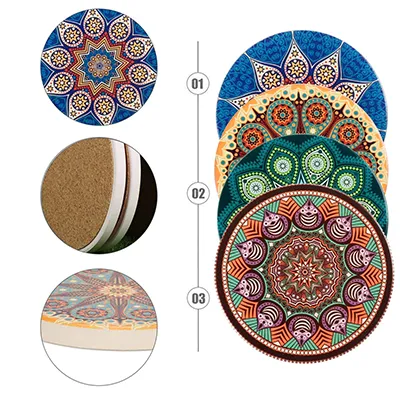
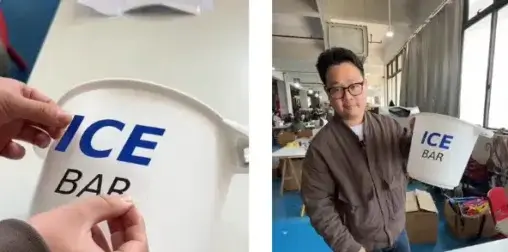
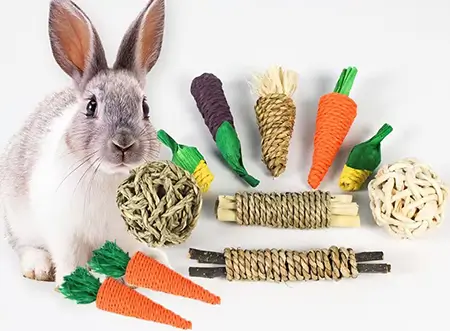
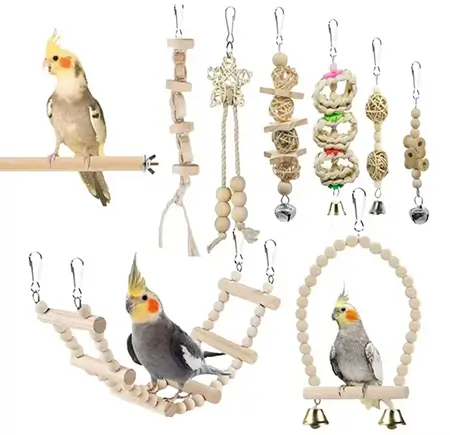
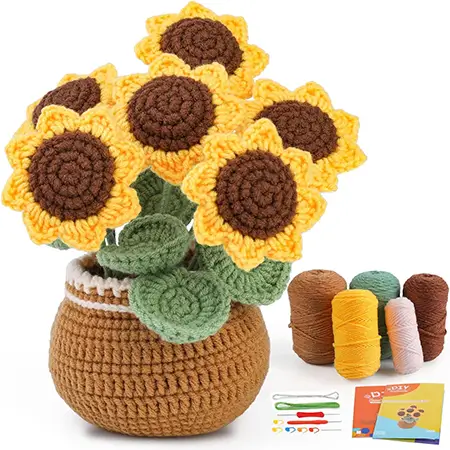
Simply put, ODM means selecting an existing product from a manufacturer and making small changes on top of it—such as adding your logo, applying custom patterns, changing colors or materials, or bundling products with customized packaging.
The core product structure and functions are already well-developed by the factory, so there’s no major redesign and no need to start from scratch. These are often called private label.
This approach requires less upfront investment, moves faster, and keeps trial-and-error costs low. It’s a good fit for new sellers or small and mid-sized businesses looking to differentiate products and test the market with a limited budget. This is also how many of the Amazon and Shopify sellers we work with get started.
What is OEM (Original Equipment Manufacturer)?
With OEM, you typically make major changes to existing products or develop a new product from scratch. It often involves multiple rounds of sampling, testing, and revisions to validate the design and feasibility.
Because OEM involves deeper product customization and development, the upfront investment is higher, communication and confirmation steps are more complex, and the overall timeline is longer.
As a result, OEM is generally better suited for businesses with stable sales, a solid understanding of their market, and sufficient budget, who are looking to expand or upgrade their product lines. They have more room for trial and error, have done solid market research, and develop products around clear target customer needs to solve real problems.
For example, we once helped a client develop a glass formula-mixing bottle. The project involved 7 different manufacturers, covering the bottle cap, straw, bottle body, rubber sealing ring, and other components. Because each part needed separate confirmation and repeated coordination, the whole process—from the first sample to the final approved version—took nearly a year.
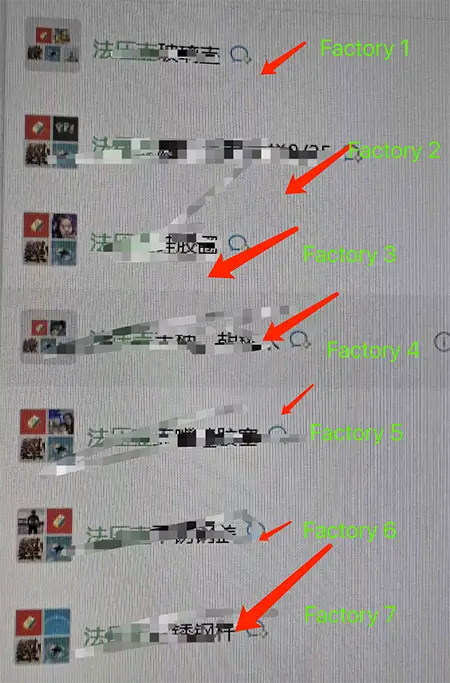
OEM project coordination with 7 factories
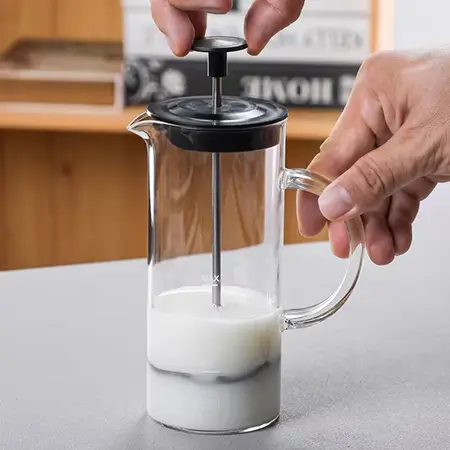
For reference only, not client’s final product
OEM vs ODM: MOQ, cost, and lead time in China
Typical ODM customization mainly involves packaging or adding logos and patterns to existing products.
- MOQ is usually 300–500 pcs. For structurally simple products—such as printing logos on in-stock hoodies or leather bags—the MOQ can be as low as 50–100 pcs.
- For private label or packaging projects, sampling typically takes 5–7 days. Once the sample is approved, mass production can start immediately, which makes the overall timeline much faster.
In contrast, OEM projects require higher upfront investment and longer lead times.
This is because when you make significant changes to a product’s structure or functionality, there are often no existing molds that can be used. In such cases, factories need to develop private molds specifically for your product.
Mold development typically takes around one month, and tooling costs are not cheap. Taking a seemingly simple toy for example, a plastic part molding costs around $2,000.
If a product involves multiple plastic parts that each require separate molds, tooling costs add up quickly, significantly increasing both the overall project budget and development timeline.
How to find the right OEM / ODM suppliers in China?
Why B2B platforms are not enough?
Many buyers start by sourcing on Alibaba or similar online platforms. There are thousands of Chinese suppliers, and most claim to support OEM / ODM.
However, the real challenge isn’t finding a supplier, but finding one that truly understands your requirements and can turn them into a workable production plan.
Customization capabilities and product quality vary widely from supplier to supplier, which means buyers need to evaluate and manage the risks themselves. For this reason, these platforms are generally better suited for experienced buyers—those with clear requirements, defined specifications, stable order quantities, and typically simpler customization needs.
For new buyers, the process often requires a significant amount of time for comparison and screening, with a steep learning curve. If you only have a rough idea or plan to start with small-batch customization to test the market, it can be difficult to find suppliers that offer both reasonable MOQs and pricing, and communication costs tend to be high.
Even experienced buyers still face challenges—for example, multiple rounds of sampling that fail to meet expectations or quality issues in bulk production.
Why 4,000+ buyers trust JingSourcing to get custom projects done?
As a professional sourcing company, we don’t just find factories — we make sure your custom project can actually move forward, with costs under control and risks managed.
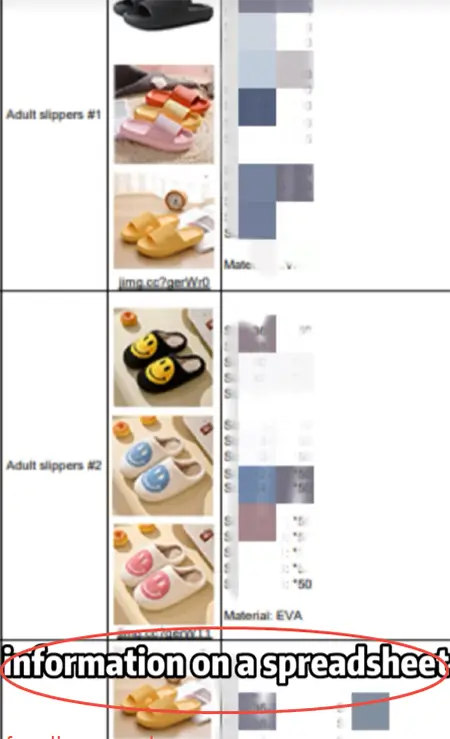
For all customization projects, we start by discussing your idea and helping refine the concept and lock down the product specifications.
At the same time, we break down the overall project costs, MOQs, and lead times so you can make informed decisions. We also provide practical recommendations on materials and production methods, along with tiered pricing and samples for easy comparison.
For small-batch customization to test products and the market, we can quickly connect you with factories in the right industrial clusters at reasonable prices, backed by our long-term partnerships with manufacturers.
Especially when your customization involves multiple components or product bundles across different factories, we handle coordination throughout sampling and production. We know which factories are best suited for each component and product—offering the best balance of efficiency and cost.
For new product development from scratch, we help overcome situations where factories initially say a product can’t be made—thanks to our development experience and flexible product-thinking approach.
If mold development is required, we start with 3D-printed samples so you can evaluate the product first before deciding whether to proceed with tooling and mass production.
We enforce strict inspections to ensure consistent quality across multiple production runs.
If the defect rate exceeds the agreed standard, we provide compensation. We take responsibility for quality issues, so you don’t have to go back and forth with suppliers.
Start your OEM/ODM projects in China
- Turn your ideas into production plans
- Flexible MOQs, factory-direct prices
- Quality consistency, stable supply