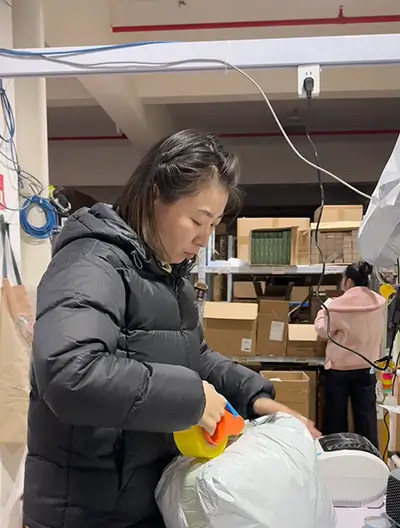
The world today is connected by countless supply chains. Almost everything around you is part of this huge global supply chain network. For example:
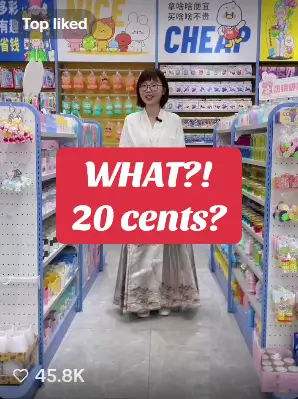
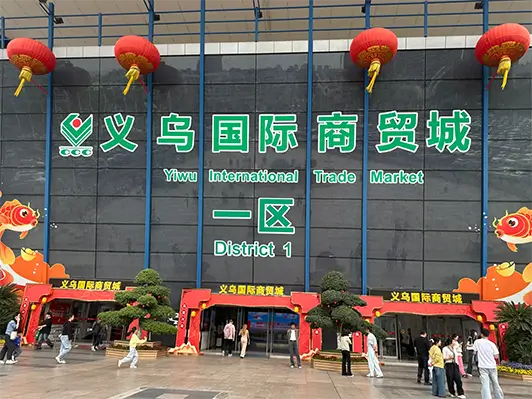
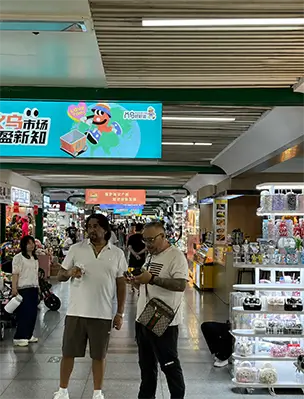
- The Supply Chain Behind TikTok’s Viral 20¢ Products is Yiwu – the world’s largest small-commodity wholesale market.
- Shein’s “small-batch, fast turnaround model” relies heavily on China’s supply chains — not just Guangzhou, but also the surrounding Pearl River Delta and Yangtze River Delta.
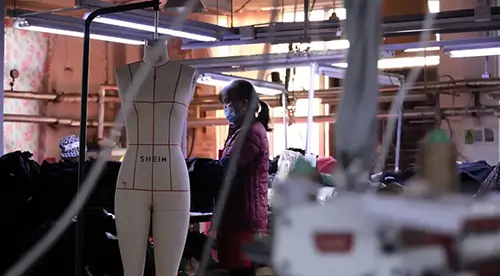
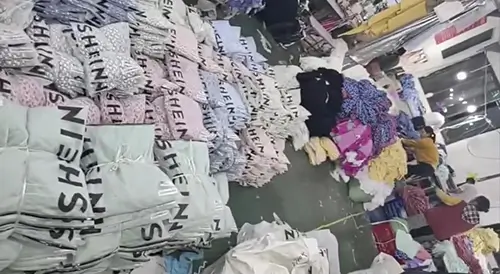
About 60% of our clients are in e-commerce, and the ones doing well almost always have one thing in common: a stable supply chain. At different stages of business, the way you build and manage your supply chain is also different.
In this guide, we’ll share practical tips for startups and small to mid-sized businesses to help you build a stable supply chain step by step.
What is the E-commerce supply chain?
An e-commerce supply chain is basically the whole process from sourcing products to getting them delivered to customers. This includes mass production, warehousing, shipping, order processing, and customer service.
How supply chains actually work for startups?
When you’re just starting an e-commerce business, the goal is to test products quickly without spending too much money upfront.
Don’t start with complicated products
Choose products that are simple, lightweight, and less likely to break. These are usually easier to source, and suppliers are more willing to accept small orders. These products also tend to have fewer after-sales issues.
Start with low risk
- Try dropshipping first. The profit margin is usually lower, but you don’t need to stock inventory upfront. The supplier ships after you get orders.
- Start with a small batch, like 10–100 units, to test the market. If the product sells well, you can quickly reorder. If it doesn’t, you can stop before losing too much money.
How to handle supply chain issues as you grow?
Your ads are finally working and your listings are starting to pick up — then suddenly your supplier runs out of stock, delays the shipment, or the bulk order shows up with quality issues.
For growing sellers, just one of these problems can wipe out months of hard work.
Build backup for your best sellers
Don’t rely on just one supplier
Work with 2–3 reliable suppliers with stable quality and delivery times, so one supplier problem won’t disrupt your entire business. It also stops suppliers from getting too comfortable on pricing.
Smart inventory planning
Keep 2 weeks to 1 month of stock in a China warehouse at factory prices, then ship to Amazon FBA or local 3PL warehouses in batches based on sales. This helps avoid expensive long-term storage fees in the US and Europe while reducing the risk of stockouts.
Keep safety stock: A simple rule is daily sales × (lead time + 10 days of buffer stock). For example, if you sell 100 units a day and the lead time is 20 days, you should reorder when inventory drops to around 3,000 units.
Handle returns locally
For non-quality-related returns — like customers ordering the wrong color or simply changing their mind — local 3PLs can check, repack, and relabel the products so you can sell them again.
This is especially important for large products. Even with small defects, selling them locally at a discount is usually better than throwing them away.
Turn suppliers into long-term partners
Some large sellers even invest in key suppliers to lock in their supply chains and gain more control over pricing, production, and delivery.
For small and mid-sized sellers, stable orders and reasonable profit margins are what really keep suppliers willing to work with you long term. If you push prices too hard, suppliers won’t be very motivated to help when problems come up.
Also, pay suppliers on time and regularly share sales data and customer feedback. When factories see your business growing, they’re usually more willing to support you because they know bigger orders may come later.
Once trust is built, factories are usually more willing to prioritize your orders when you need urgent restocks or want to test new products in small batches.

Is supply chain blocking your project? How JingSourcing can help
Finding suppliers is easy. Finding supply chain partners who can actually grow with you is the hard part. Even experienced sellers still struggle with how to really make the most of China’s supply chains while keeping their business growing steadily.
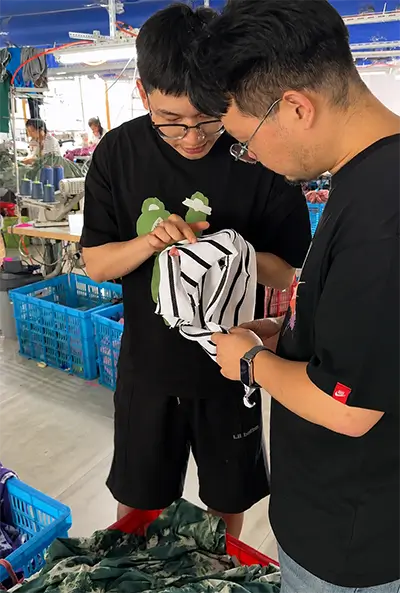
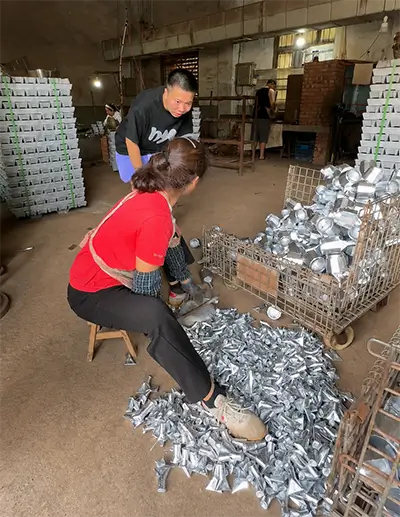
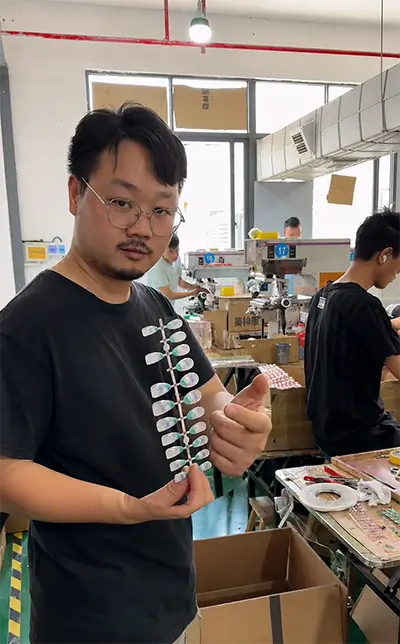
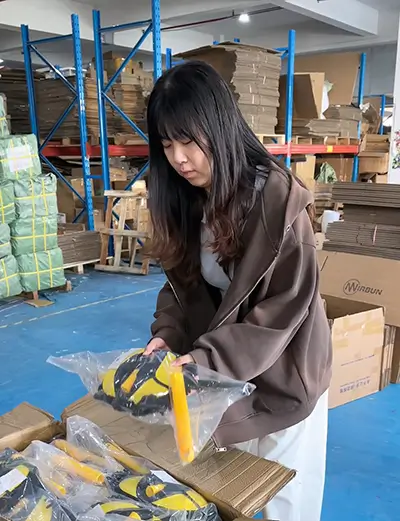
Based in China’s major manufacturing hubs and backed by 10+ years of sourcing experience, we’re your boots-on-the-ground supply chain team.
Direct sourcing
We bypass the middlemen and go straight to the factory. You get the “inner circle” pricing and guaranteed inventory.
Small-batch, fast-turnaround
We help coordinate different parts of the supply chain — from raw materials, components, and prototyping to semi-finished processing, assembly, and final packing. Because we bring factories long-term repeat orders, they’re usually more flexible on MOQs and pricing.
We handle the communication and follow-up to keep the whole project moving smoothly from start to finish.
Hard-line QC
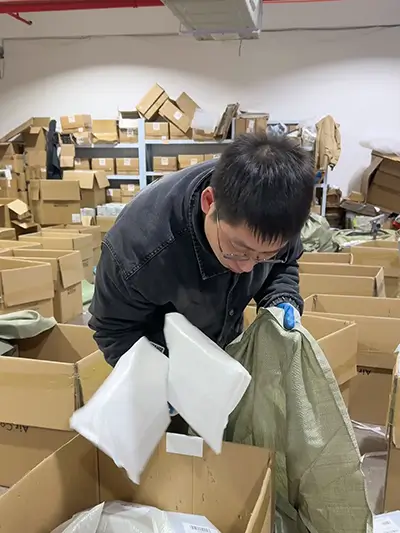
We inspect final products and packaging in depth. If the quality is off, it doesn’t leave the floor period.
Flexible 3PL, not just cheap fulfillment
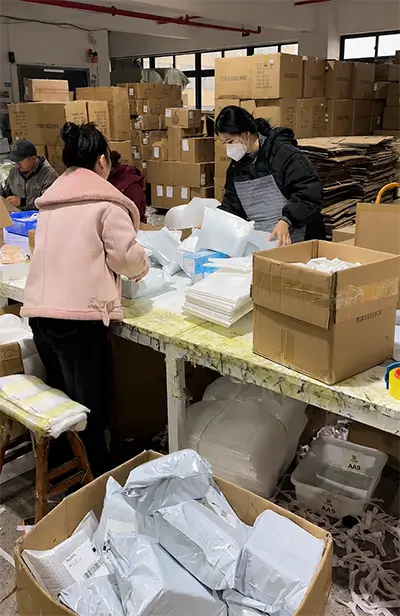
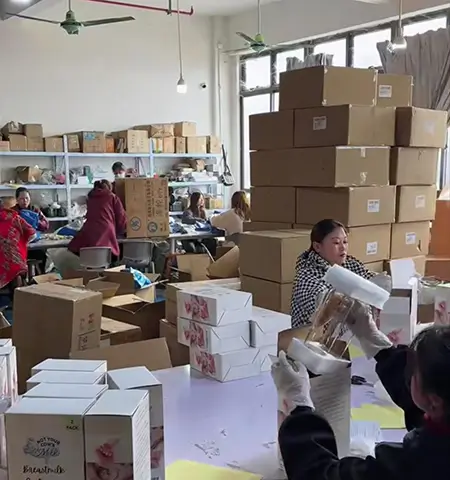
Free warehousing for 1–2 months. We also support relabeling, repacking, and product bundling.
For dropshipping, we sync your order data in real time. When your ads suddenly take off, your fulfillment won’t fall apart. We’ve helped clients grow from 10 orders a day to hundreds without fulfillment breaking down.
Ship your goods in batches to your local warehouse or fulfillment center as needed.
Need boots-on-the-ground support in China?
- Direct factory sourcing, no middlemen
- Stable supply as your orders grow
- QC, repacking & batch shipping handled