China Sourcing: 4 Costly Blind Spots (Real Client Cases)
We respect our clients' privacy. The product examples shared are partial displays or similar categories, carefully chosen to protect confidential information.
A wrong logo. A payment scam. A shipment that passed inspection but still had quality issues.
Finding the factory is just the beginning. In reality, real supply chain work starts after an order is placed, solving problems and preventing costly mistakes. Today, we’re sharing 4 cases from this month and how we solved these problems for our clients.
A Bait-and-Switch Scam on Alibaba
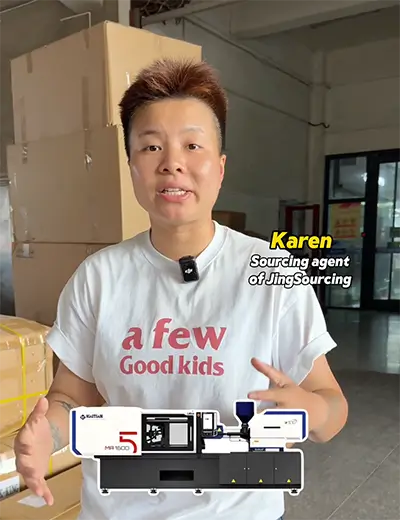
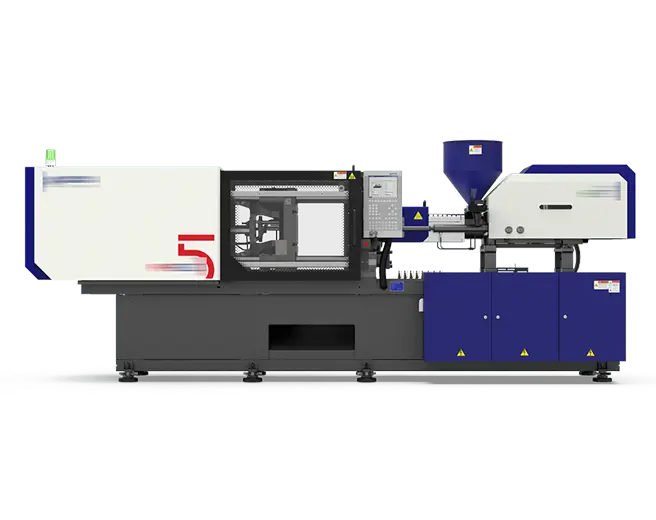
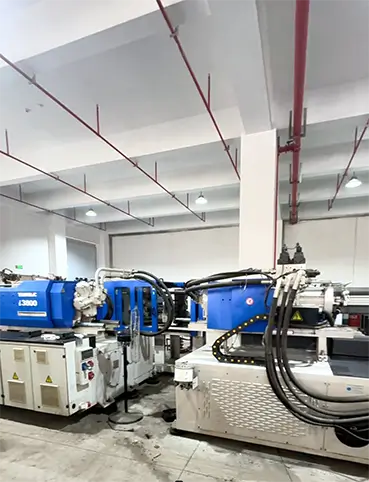
One of our Afghan clients was scammed on Alibaba while sourcing a branded injection molding machine. The supplier claimed to sell the exact branded equipment and requested payment to a private bank account.
After the shipment arrived, the machine turned out to be a different brand with a similar name. It was functional, but performed below expectations. Soon after, the supplier stopped responding. Because the payment was not made through an official platform and there was no formal contract in place, cross-border legal action became extremely difficult.
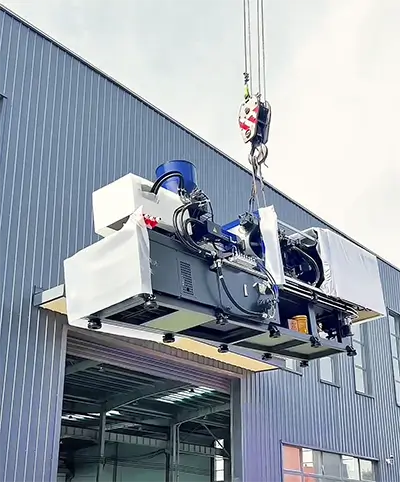
As the client’s business expanded, he now came to us for more equipment. In China, most industrial machinery is produced in major manufacturing clusters such as Shandong and Jiangsu, where we maintain a long-term supplier network across these industrial hubs.
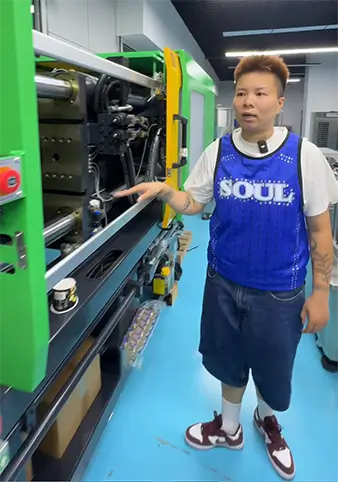
From our experience, sourcing industrial machinery involves factory verification to confirm production capability, on-site inspections to check real manufacturing conditions, and third-party quality checks when necessary. Before shipment, we also compile detailed reports covering product models, specifications, and performance data to ensure the delivered equipment fully matches the original requirements.
Why QC Matters Before Goods Ship Out
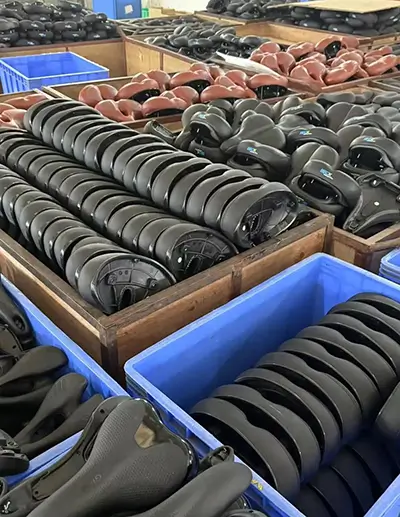
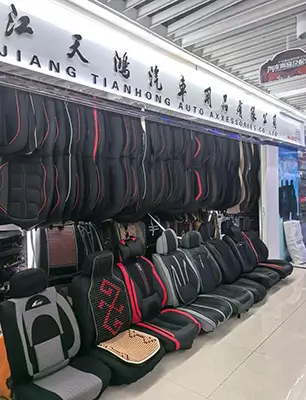
We helped a former client avoid a $10,000 loss. He’s an Amazon seller who had worked with us before. This time, though, he decided to go to a cheaper factory. The products were custom bicycle seat covers, including both individual designs and bundled sets.
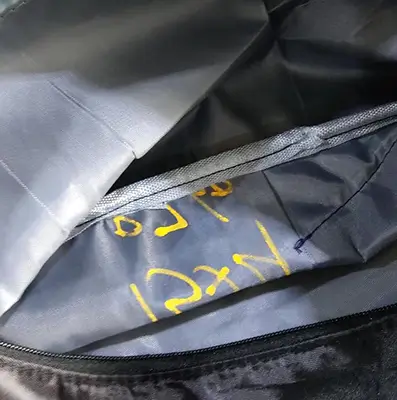
However, when the goods arrived at his US warehouse, it became clear that no proper quality control had been done. The entire batch had incorrectly printed logos, making the products unsellable and generating additional storage costs.
He then came to us for help. We quickly coordinated with a local Chinese factory we had worked with before and had the logos reworked. The issue was resolved within three days.
This is also why we always emphasize the importance of quality control before shipment. In China, third-party inspections typically cost around $200 per day, but they can prevent far more expensive mistakes later.
QC Passed, But 30% Were Defective
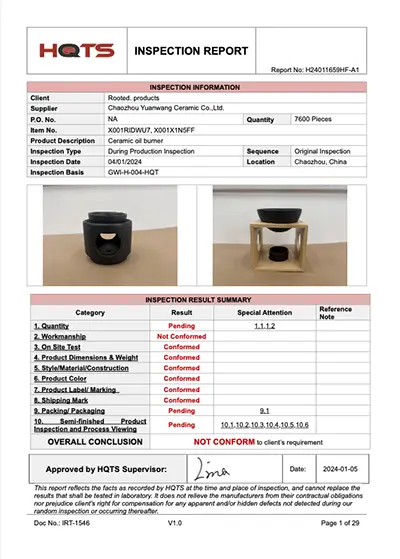
Typically, after production, many buyers arrange a third-party inspection, which is followed by an inspection report before shipment. Our client did the same. However, problems still slipped through.
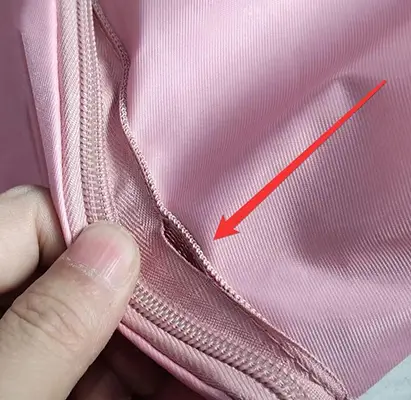
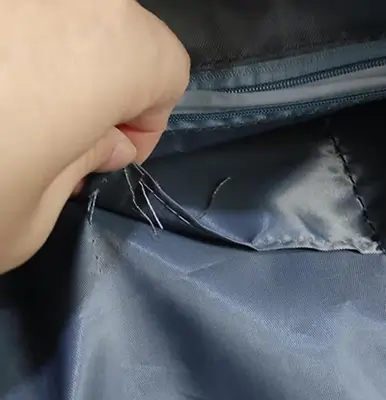
The product was a batch of storage bags, which were shipped directly from the factory to our warehouse for consolidation and export. During packing, our team immediately noticed visible quality issues—uneven stitching, loose threads, stains, and even broken handles.
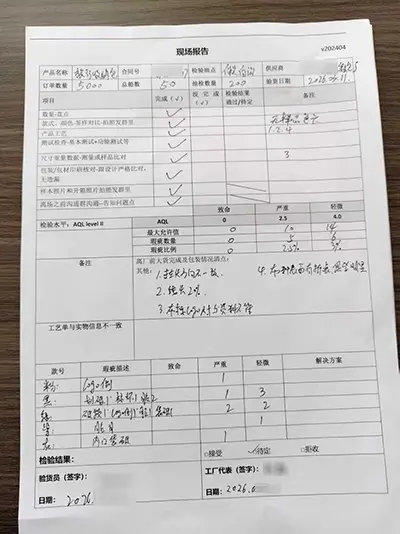
We run a secondary inspection and randomly checked 200 units. The result showed that around 30% of the products were defective, far beyond acceptable AQL standards. We immediately informed the client, and he sent over a photo, ssaying it was from the third-party inspector. But it was just a simple on-site record.
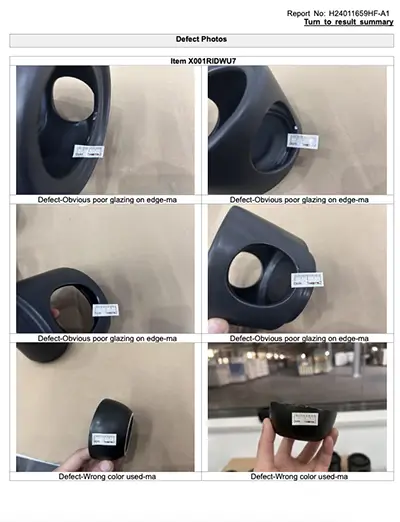
A proper inspection report should include the inspection standard, sample size, defect rate, defect classification, and final results, along with detailed product photos, close-ups of defects, and packaging conditions.
We then conducted a full re-inspection in our warehouse, confirmed the issue, and arranged for the factory to remake the entire batch.
When Factory Direct Isn't the Best Choice
Many experienced buyers know that if sourcing from China, the first step is often to visit the right manufacturing hubs. But factory direct isn’t always the best sourcing strategy. It depends on the order structure.
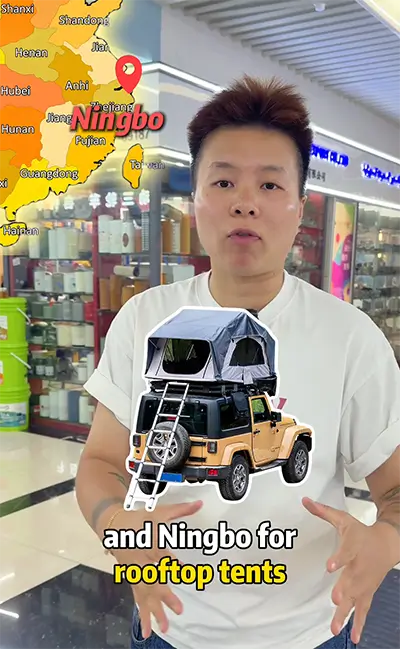
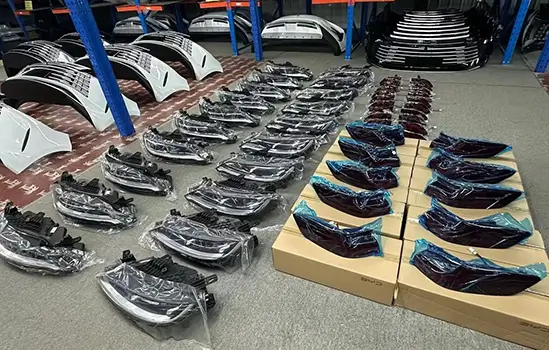
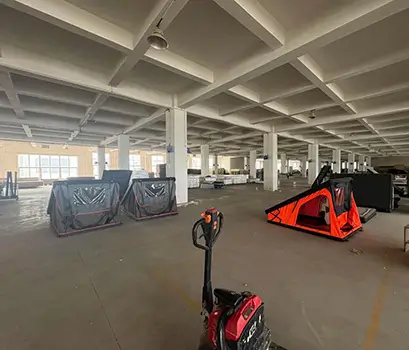
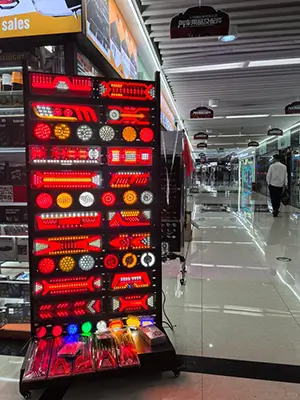
One of our Australian clients learned this firsthand. He runs a pickup truck accessories business and traveled across China looking for suppliers of bed racks, lights, rooftop tents, and other products. After visiting factories in Changzhou, Guangzhou, and Ningbo, he eventually came to Yiwu to complete his sourcing.
The biggest challenge was MOQ. Pickup truck accessories include thousands of different SKUs, but he need only small quantities of each. Most factories specialize in just one product category and require MOQs of thousands of units, and don’t help buyers consolidate products from other factories. That leaves buyers to coordinate multiple suppliers, consolidate shipments, and manage logistics on their own.
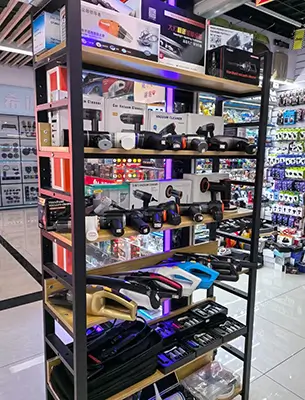
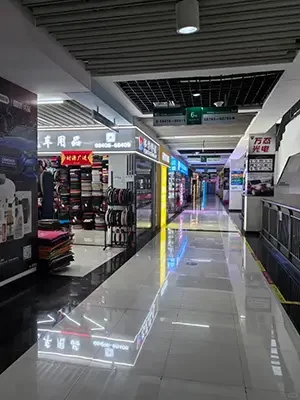
While Yiwu isn’t a manufacturing hub for pickup truck accessory, the Yiwu International Trade Market is the world’s largest wholesale markets, bringing together suppliers from manufacturing regions across China.
We helped him compare suppliers, source multiple product categories with lower MOQs, and consolidate everything into a single shipment after inspection.
Subscribe
Subscribe to us to see more cases like this one, plus product ideas, China sourcing stories, insights.
Wholesale and Cutsomize
Have great product ideas but not sure where to start? Or maybe you’re looking to buy products in stock, add your logo, customize packaging, or place a small order for quick testing?
Share your ideas. Get affordable, and effective sourcing solutions!