From Product Ideas to Mass Production | 3 Real Cases
People usually see the “great idea” behind a successful product. However, looking at the supply chain, the real difference is how you make it happen. Even the simplest kitchen utensils like pepper grinders, coffee cups, or French presses usually involve multiple materials, different manufacturing processes, and coordination across several suppliers behind the scenes. Today, we’re exploring 3 cases that turned fresh ideas into mass-produced products by leveraging existing manufacturing resources.
From Idea to Prototype in Just 3 Months
Piper was founded by a couple with zero physical product development experience: Jeremy and Layla. From the first idea to a working functional prototype, it took them just three months. Within a year, they went from concept to a live crowdfunding launch and raised close to $250,000.
The inspiration and early market research
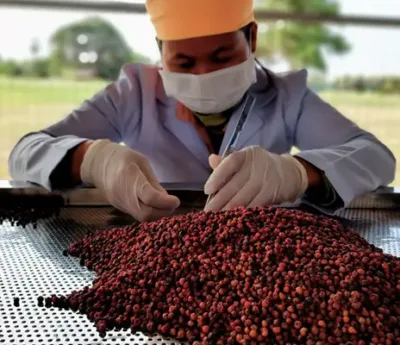
It all started in early 2024, when Jeremy traveled to Cambodia and tried Kampot pepper for the first time. Kampot pepper is considered one of the world’s top pepper varieties. It has a much richer aroma and a more layered flavor than standard black pepper. Production is limited, pricing is premium, and outside Southeast Asia, especially in North America, most people have never tasted anything like it.
Layla wanted a grinder that could fully unlock those aromas, but everything on the market felt lacking. They decided to create their own that combined beautiful design with real utility.
To find their edge, they did deep market research and grouped existing grinders into three types:
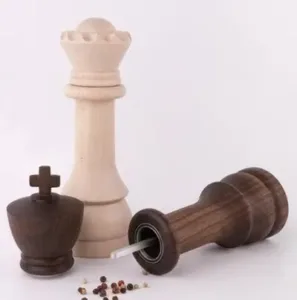
Classic “Chess Piece” Grinders: These have narrow openings and imprecise settings. They don’t grind much at once and require a lot of effort to twist.
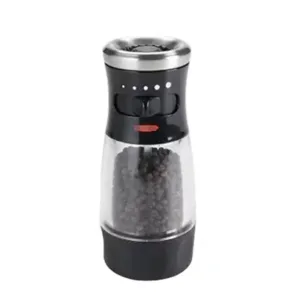
Performance Grinders: They work great but look too “masculine” or industrial, which doesn’t appeal to everyone.
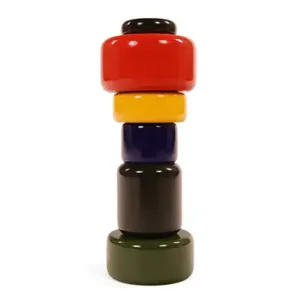
Designer Grinders: They look beautiful but are frustrating to use. Some have confusing controls or sacrifice functions just for aesthetics.
From ai concepts to a functional prototype
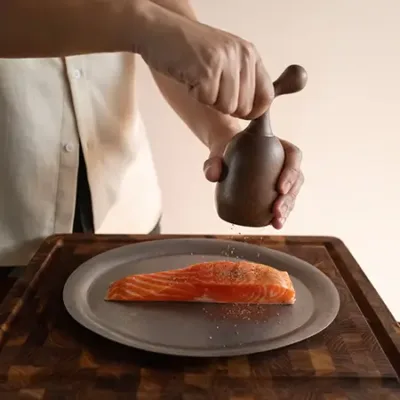
To move fast, they used AI tools to generate multiple visual concept designs and quickly narrow down the best direction. The final product featured a massage-style handle for better ergonomics, a smooth twist mechanism, and a magnetic base that catches loose pepper residue and keeps the table clean.
Early on, they showed these designs to 20 to 30 friends, gathered hands-on feedback, and filtered down to the most intuitive and well-received option before refining the details further.
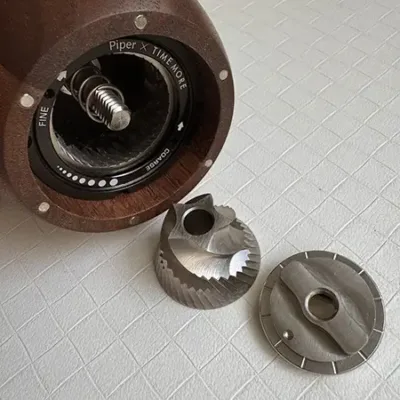
Once they had the initial drawings, they reached out to a veteran Chinese manufacturer specializing in coffee grinders, Timemore. We have to say, that was a really smart move. Since coffee grinders usually require far higher precision than typical spice grinders, that manufacturing know-how became the foundation for building a pepper grinder that could actually perform consistently.
From there, the process became highly iterative. The design went through multiple rounds of AutoCAD revisions, with constant back-and-forth with the manufacturer to ensure every detail was practical for mass production.
From failure to a $250K relaunch
Piper’s journey wasn’t all smooth sailing. They hit a setback but managed to make a quick, strategic pivot.
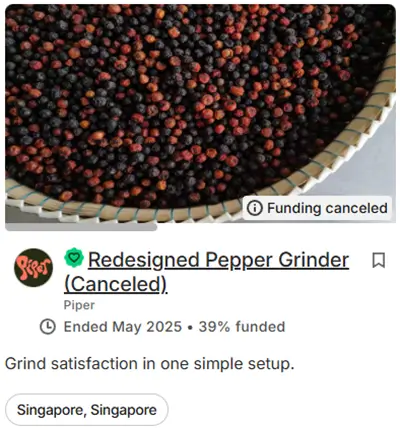
In April 2025, they launched their first version on Kickstarter. Progress was slow. After nearly a month, the campaign had raised only around $15,000, roughly 39% of the goal. It was clear the project wasn’t resonating, so they made the tough call to cancel the campaign. Their early storytelling focused too much on rare Cambodian peppercorns, instead of clearly showing what the grinder actually solved for everyday users.
After hitting pause, Jeremy and Layla went back to fundamentals. They ran structured pre-launch marketing, testing different creative angles on Instagram to find the winning ads. They segmented their audience carefully: cooking show fans, gourmet food buyers, high-end kitchen appliance users, and coffee lovers who care about grinding rituals.
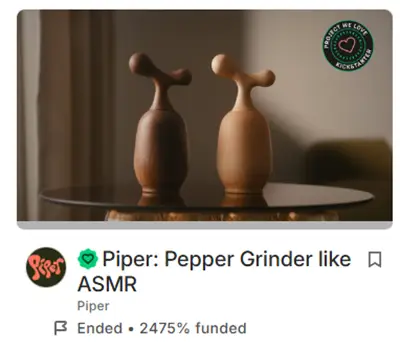
At the same time, they started collecting emails and taking pre-orders. By the time they relaunched, they had built a list of around 10,000 emails and gathered roughly 1,900 pre-order commitments. The results were immediate. On relaunch day alone, the campaign raised about $91,000. By the end, total funding reached approximately $253,000.
Several product details made the difference this time. The grinding sound itself was presented as ASMR, signaling precision and quality. The wood-and-stainless-steel construction communicated durability and premium feel, while also addressing concerns about microplastics.
Redesigning Coffee Cups from Wine Accesories
Just like Piper used coffee grinder tech to build a high-end pepper mill, ICOSA Brewhouse took inspiration from wine-tasting tools to create their coffee line. They launched only four products but raised over $1.4 million on crowdfunding. Let’s take a quick look:
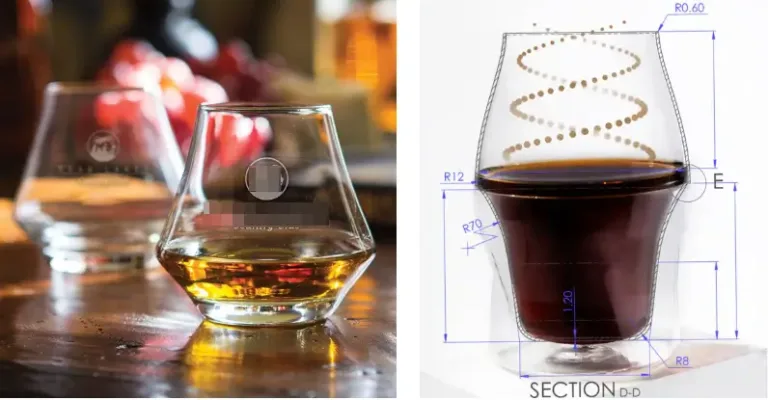
AVENSI Coffee Cup: raised around $218,497. Inspired by whiskey glasses, the coffee cup shape helps concentrate and release coffee aromas more effectively.
Avensi Wave Coffee Cup: raised about $334,449. An upgraded version of AVENSI: the cup has internal flow channels (made using glassblowing techniques) that release aroma when you swirl it by hand, just like rotating a wine glass to release wine aromas.
Whiskey Glasses vs. AVENSI Coffee Cups
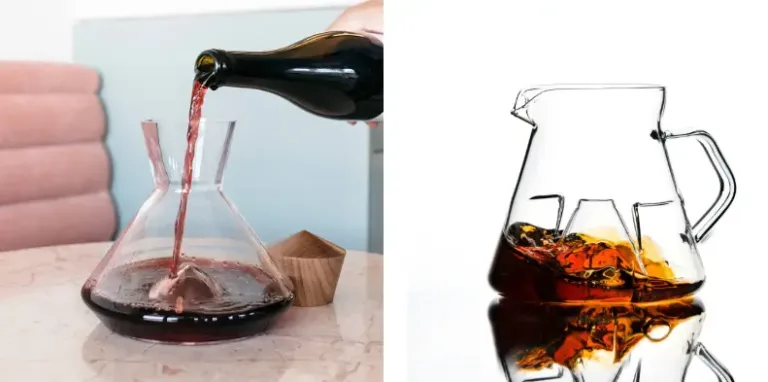
Wine decanter vs. AVENSI Coffee Carafe
Whether it’s a pepper grinder or a coffee cup, success is about more than just an “amazing idea.” It comes down to sharp insights into the user experience and, crucially, the supply chain capability to turn that idea into a physical product.
The core idea behind ICOSA Brewhouse’s glass coffee cups comes from wine decanters and whiskey glasses, but the design is optimized to release coffee aromas more effectively. From a supply chain perspective, glassware manufacturing is already well established, so bringing it to production isn’t too difficult.
Piper, on the other hand, managed to quickly turn their design into a functional prototype in just over two months. That wasn’t magic. because they found a supply chain partner who was willing to tackle technical challenges with them. That partnership was built on mutual trust in the product’s potential and smooth, efficient communication. We’ve seen this happen many times ourselves.
Turn a Product Idea into Reality (Client Case)
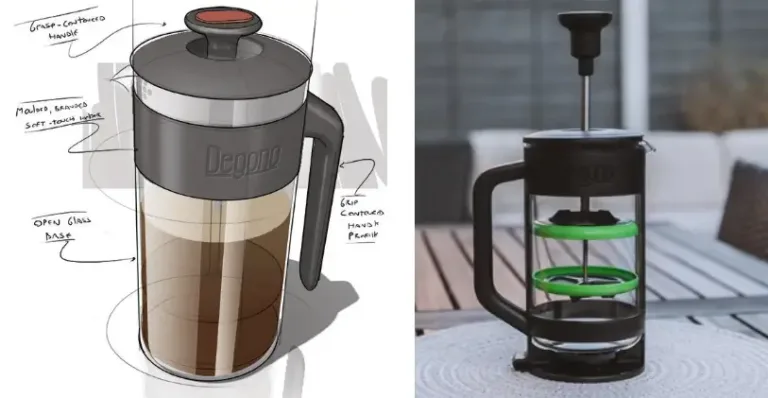
Take one of our client cases as an example. A French press might look simple, just a glass beaker and a metal plunger. But creating a new product means rethinking the structure and material details. Our client wanted to improve pain points like fragile glass, imprecise filters, and poorly designed pour spouts, and came to us with his own sketches. The sampling process alone took a full year and involved coordinating around 9 different suppliers.
Image for reference only | Source: D2M Product Design
The challenge gets even tougher when the client only wants a 700-unit order. We understand the need to test the market with a small batch. but for factories, small orders drive up per-unit costs. Every adjustment can add mold fees or extend lead times. Most factories faced with “small volume plus complex requirements” either walk away or set very high prices.
In other words, custom kitchenware might look simple, but it’s a serious test of supply chain integration. To make an idea a reality, you need to understand every production step and know exactly how to push the design through to mass production.
Subscribe
Subscribe to us to see more case studies like this one, plus startup stories, China sourcing stories, product ideas, insights, , and practical tips.
Wholesale and Customize
Have great product ideas but not sure where to start? Or maybe you’re looking to buy products in stock, add your logo, customize packaging, or place a small order for quick testing?
Share your ideas. Get affordable, and effective sourcing solutions!