Functional prototypes are used in both physical product and software development. This guide focuses on physical products—when you need a functional prototype, how to develop and refine it, and how to move from prototype to mass production in China, with real client examples.
What is a functional prototype?
A functional prototype is mainly used to test whether a product works as intended. This includes checking whether its parts fit together properly, its mechanical components move as they should, and its key functions, strength, and durability meet requirements.
It doesn’t have to look perfect or use the exact materials planned for mass production, as long as it meets the needs of the tests you’re running. The goal is to catch design issues early and work through them with repeated testing and revisions, rather than discover problems after spending heavily on molds and large-scale production.
When do you need a functional prototype?
Not every custom product needs a functional prototype. For example, if you’re developing a custom figurine or plush toy and only need to check its shape, size, and color, an appearance prototype is usually enough. But if the toy has moving parts, sound features, or interactive functions, you’ll need to test whether they work as intended.
Real client case: testing the plush toy's sound features
One of our clients wanted to develop a plush toy with complex sound features. Most plush toy factories can only handle simple sounds or music, but our client had specific sound requirements: when each sound should play, how long each pause should last, and the sequence of sound effects.
So, we had the toy factory handle the appearance and found another factory specializing in audio devices to develop the internal sound module. Our sourcing agent went over the client’s sound requirements with the supplier in detail and worked with them through repeated adjustments and testing. The sound module was ready in about 5–7 days and then sent to the plush toy factory for assembly.
The complete sample was ready in about 10 days. We checked the toy’s appearance and sound performance, and the client was happy with the result. They then moved forward with a bulk order.
Similarly, functional prototypes are often worth making before mass production for smart electronic products, hardware tools, and mechanical parts that require precise assembly, moving mechanisms, or load-bearing capabilities.
How to develop and refine a functional prototype
Product design, prototyping, and testing usually require designers or engineers who understand product structure and manufacturing processes. You’ll often need several rounds of revisions to get from the first sketch to an approved design.
If the designer isn’t familiar with the product, the design may be difficult to manufacture or may not be optimized for production. For example, even one extra component can significantly increase production costs.
Real client case: model car prototype development
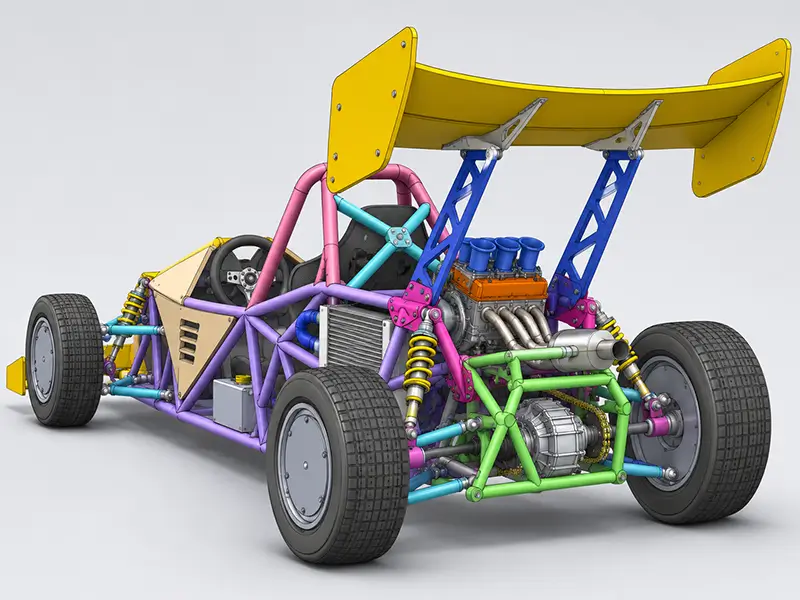
One of our US clients wanted to develop a collectible model car and initially provided only a sketch. We first approached a factory that offered one-stop design and manufacturing services, but after too many design revisions, the factory eventually declined to continue with the project.
Our sourcing agent then found a designer experienced in model car design and 3D prototyping. The designer marked up the drawings to highlight details that needed the client’s approval, including how to make the model car roll.
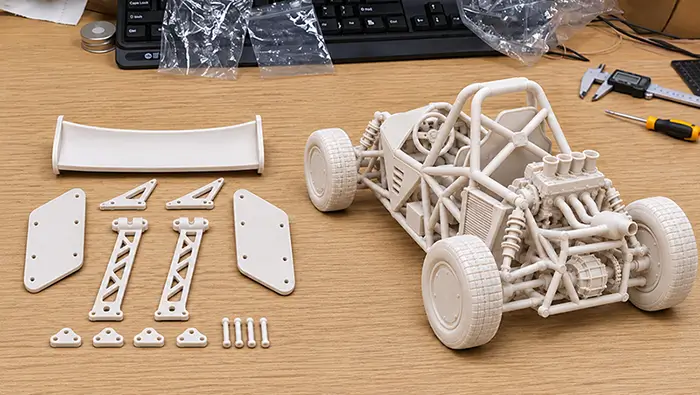
Once the design was ready for a round of testing, the designer 3D-printed a prototype. We checked it over before sending it to the client to test whether the parts fit together properly and the car rolled as intended. We then made further revisions based on the client’s feedback.
Images for reference only, not the client’s actual design or prototype.
Each 3D-printed prototype cost around $100, and we went through several rounds before the client approved the final design and functional prototype. We then approached factories to evaluate molding and compare MOQs and quotes. The model car required 12 sets of molds, with mold costs totaling around $15k.
This project used 3D printing, but that’s not the only way to make a functional prototype. Depending on the product and what needs to be tested, other options include CNC machining or prototypes made by hand.
Check out: How to Make a Prototype: 3 Methods and Costs
How JingSourcing take your prototype to production
Taking a product from an initial idea to a working functional prototype and then into mass production often requires close coordination between product designers and manufacturers. Without in-depth knowledge of the product, materials, and manufacturing processes, it’s easy to waste time and money along the way.
This is where JingSourcing can help. As a China sourcing company, we’ve successfully sourced and customized products for over 6,000 clients since 2015, building an extensive supply chain network and gaining valuable hands-on experience along the way.
All you need to do is share your product idea, any design sketches or files you have, and your budget. Depending on your project, we can help refine the design and coordinate prototyping, testing, and revisions.
During the sampling process, we also consider material options, manufacturing methods, and costs, and provide a project cost breakdown for your reference. At the same time, we’ll start shortlisting potential factories and checking their capabilities to make sure they can meet your product requirements.
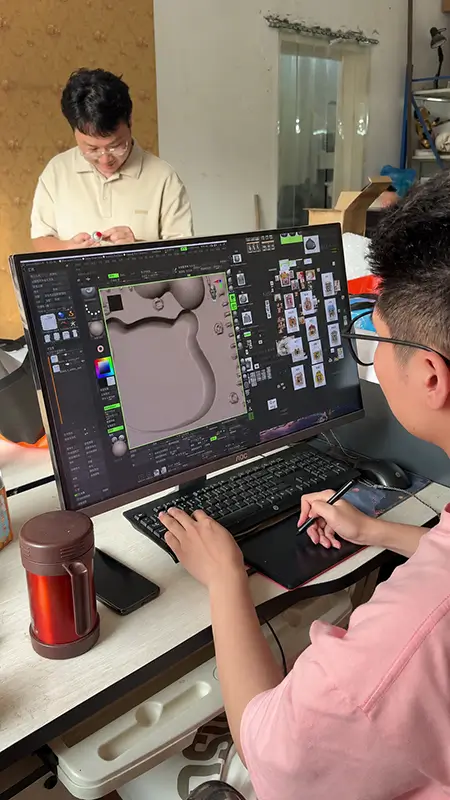
500 blind box figures: from 3D design to production in China
Once the design, materials, and specifications are finalized, we’ll select suitable factories, coordinate with the suppliers involved, and follow up on the pre-production sample and subsequent bulk production.
We can also handle custom packaging, product inspections, and international shipping.