How 2 Sock Brands Escaped Price Wars in High-Margin Niches
If you’re not sure what to sell next, let’s talk about one of the most boring but quietly profitable categories: socks. This seemingly low-key product has quietly turned many smart sellers into multimillion-dollar businesses.
Today, we’re only talking about regular socks.
Why Socks Are a Surprisingly Strong Category
Near-Zero inventory risk
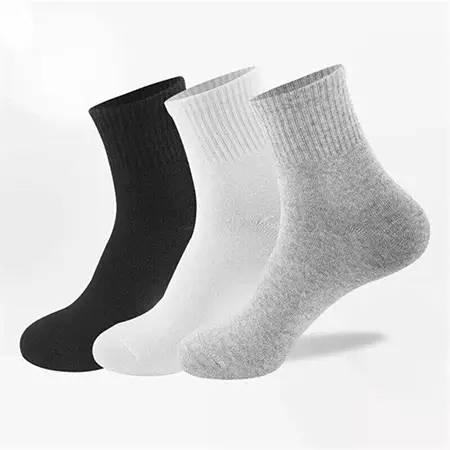
Socks a highly flexible category: basic styles only need 3–4 sizes to cover most of the population. Core colors like black, white, and grey remain stable for years. Compare that to most apparel, which lives or dies by fast‑fashion cycles. Socks rarely face that “dead stock” nightmare where styles go out of date and inventory becomes worthless.
Highly automated, scalable manufacturing
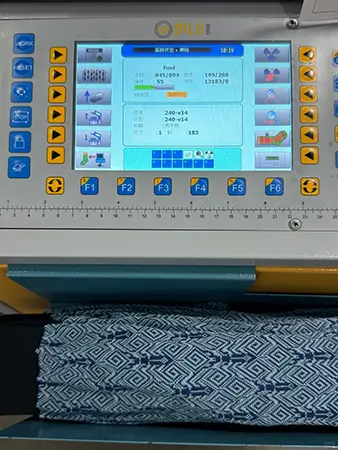
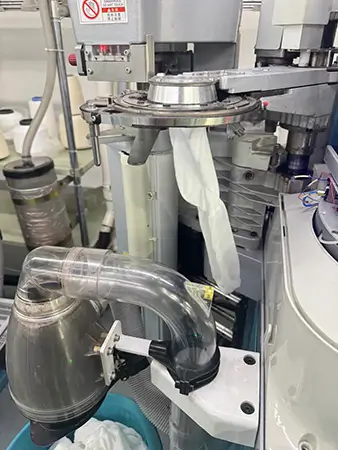
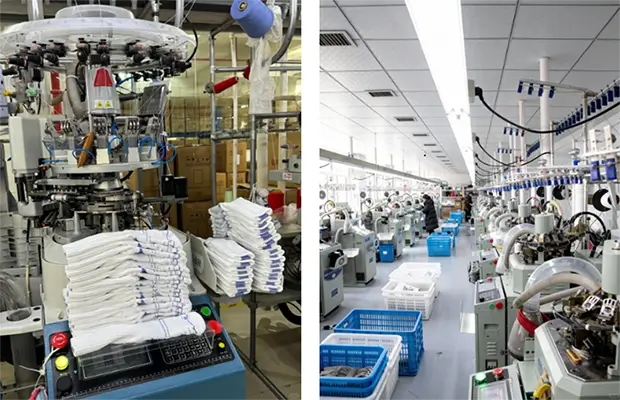
Sock manufacturing is far more automated than most apparel categories. Once the yarn, program parameters, and knitting patterns are set up, machines take over most of the production process. They control the width, tension, and horizontal stretch based on the digital pattern loaded into the system, and the final sock comes out with its sizing, elasticity, compression zones, and structural patterns already built in.
A standard sock machine can produce roughly 380 pairs of adult socks per day. For complex, multi‑color or technical designs, it’s closer to 240 pairs per day.
Small production changes, big perceived value
Different materials and knitting techniques can dramatically change how a sock feels, affecting breathability, cushioning, moisture control, odor resistance, and in-shoe stability.
Because production costs remain relatively low, brands can significantly increase perceived value through better comfort and performance. Consumers are often willing to pay a premium for socks that feel fresher, more supportive, and less likely to slip down.
Bottlenecks in the Sock Business (And How to Pivot)
The weaknesses are also obvious. Socks are low‑ticket products, which means low average order value (AOV), high sensitivity to shipping costs, easy replication, and constant price wars.
This makes it difficult to rely on manufacturing alone for meaningful profitability. So, the opportunity lies in those who can deliver:
But that’s no longer fresh today. Let’s look at 2 recent examples that break out through product innovation, market positioning, and sales channels.
How to Create Higher Value in Niche Sock Markets | 2 Cases
Solving a niche problem for select audiences
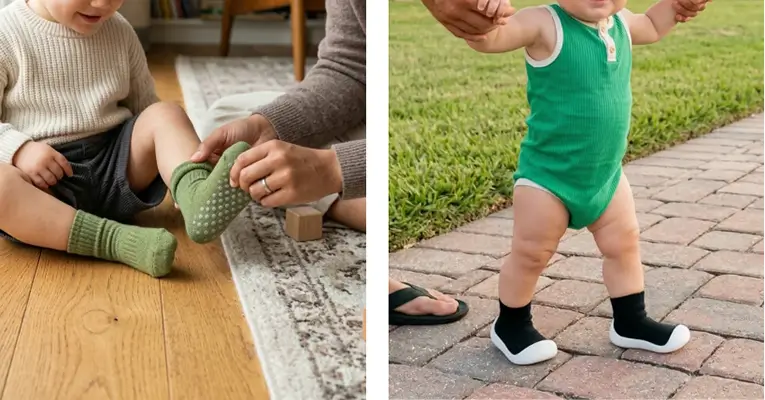
Tiny Explorings targets a universal pain point for parents with toddlers between 6 months and 3 years old. Traditional toddler socks usually rely on screen-printed silicone dots on the bottom, which work mainly for indoor use. Tiny Explorings extends that use case into outdoor walking, play, and exploration.
After the knitted sock is produced, a rubber layer is bonded on, upgrading it from a household sock into a wearable shoe. The product is machine washable, which makes it genuinely practical for daily use.
They also cleverly the adult barefoot footwear trend to toddlers. The idea is grounded in supporting healthy foot development during early growth stages. In particular, it focuses on protecting natural plantar nerve and muscle development.
Parents typically purchase 2–3 pairs at a time. With single pairs priced around $25–$30, bundle options help lift the average order value (AOV) to roughly $60–$80. To date, the brand has sold over 1 million pairs of sock shoes.
Turning cycling socks into community identity
Clear market position
Outway was founded by Rob Fraser, a former mountain biker who spent years inside the cycling community. During that time, he noticed a clear gap in the market: performance cycling socks were highly functional but visually uninspiring, while lifestyle sports socks looked good but lacked real performance features. No brand could fully combine functionality, aesthetics, and all-scenario usability.
That’s why he founded Outway with a clear positioning: the “Lululemon of functional sports socks”, built for outdoor and cycling culture.
Product differentiation
Let’s first take a quick look at functional socks vs. ordinary cotton socks:
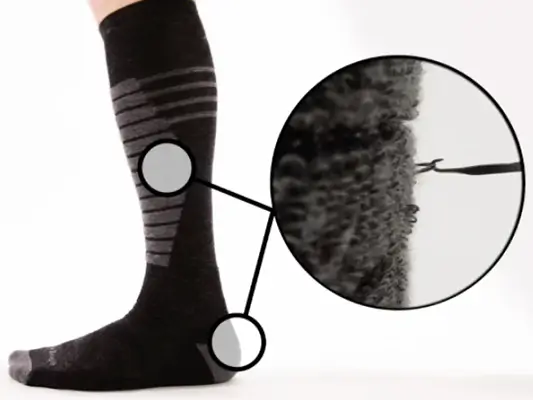
The main difference lies in sock material and fiber blend. Sports functional socks typically combine high‑performance nylon, polyester, and spandex (elastane) to achieve properties such as:
breathability
moisture management
anti‑odor performance
rapid drying
We’ve sourced waterproof socks for clients that use nylon construction combined with a PU coating layer.
Functional sock customization usually depends on both materials and specific product needs. Two main approaches are jacquard knitting and digital printing.
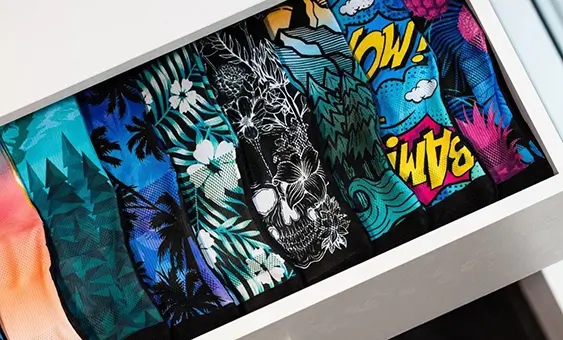
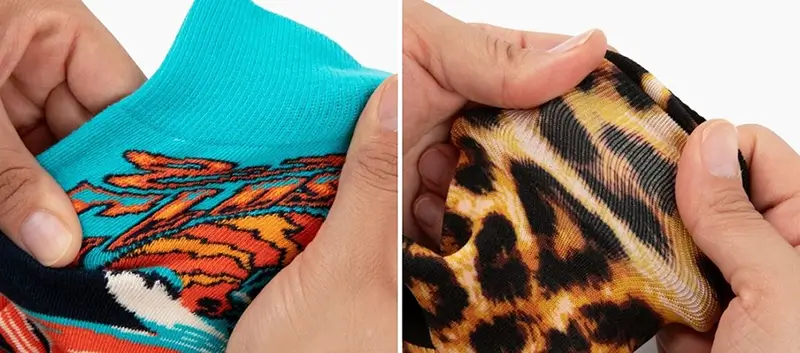
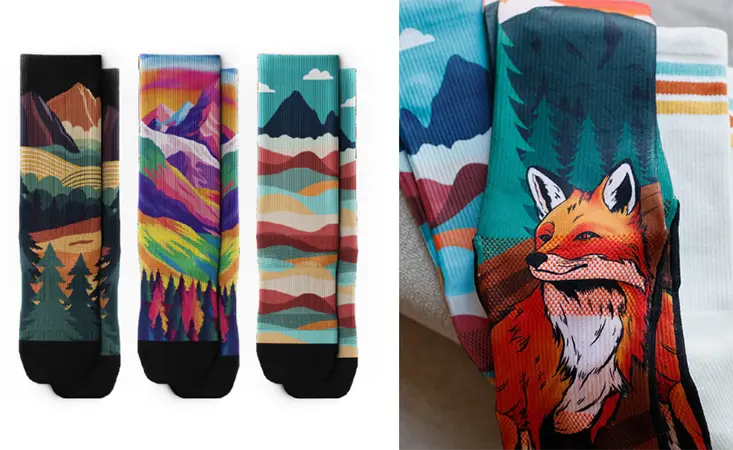
Jacquard knitting embeds colored yarn directly into the fabric during the knitting process, making it a better fit for simpler color designs and more structure-focused cotton socks. Digital printing, on the other hand, is applied after the sock is produced, allowing for much more complex and visually detailed designs that are directly transferred onto the surface.
Jacquard Knitting vs. Digital Printing
Outway uses digital printing to express its outdoor and cycling culture through visual design. Their cycling socks typically use a functional blend of about 66% polyester, 28% nylon, and 6% spandex, creating a base that balances moisture-wicking and stretch performance.
On top of that, they translate natural landscapes, such as mountains, rivers, and the routes experienced during cycling or hiking, into design themes, and apply them through digital printing. The result is not just a functional product, but a wearable identity piece that reflects belonging within a sports community.
One product, three revenue engines
After experimenting with subscription socks, activewear, and adjacent categories, Outway eventually narrowed its focus back to functional sports socks, reaching over $1 million in annual revenue and into 8‑figure revenue.
From that focus, it built a model that splits into three complementary business modules, precisely serving different customer groups.
DTC brand: core consumer-facing functional sock line
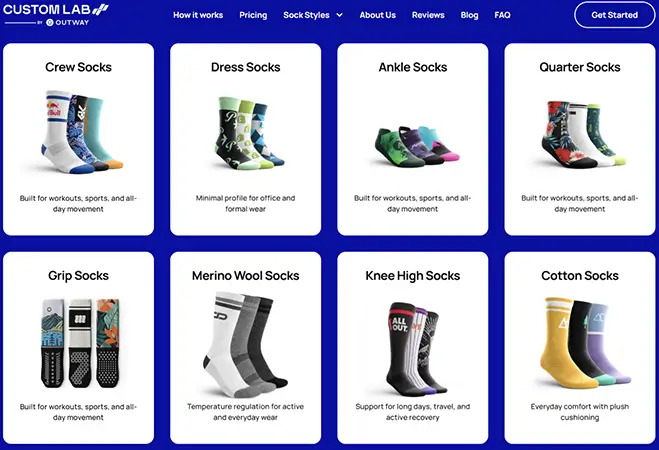
Custom Lab: customized socks for sports teams, clubs, events, and brand collaborations
Wholesale channel: supplying retailers, ecommerce sellers, and bulk buyers
Each layer plays a different role inside the business. The DTC brand captures high-margin direct sales. Custom Lab strengthens brand visibility while building high-value B2B partnerships. Wholesale expands scale through distribution volume.
Where to Source? Inside China’s Sock Supply Chain
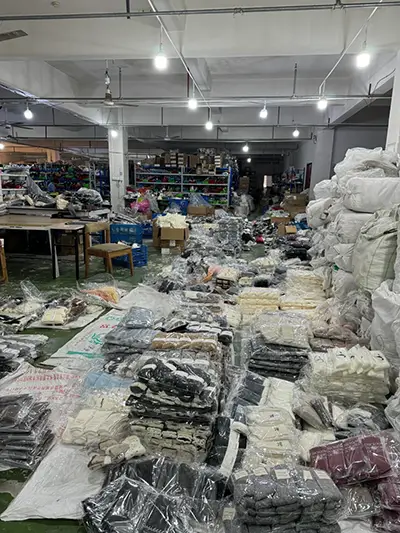
When we source socks for clients, we typically work with two major manufacturing clusters that dominate China’s sock industry:
Zhuji, Zhejiang: the world’s sock capital
Liaoyuan, Jilin: China’s cotton sock hub
World’s sock manufacturing capital
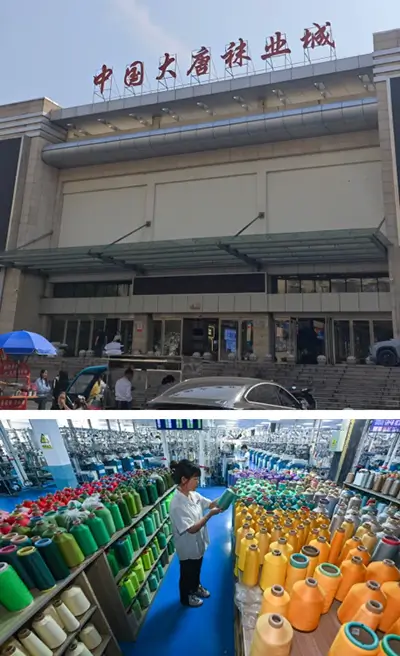
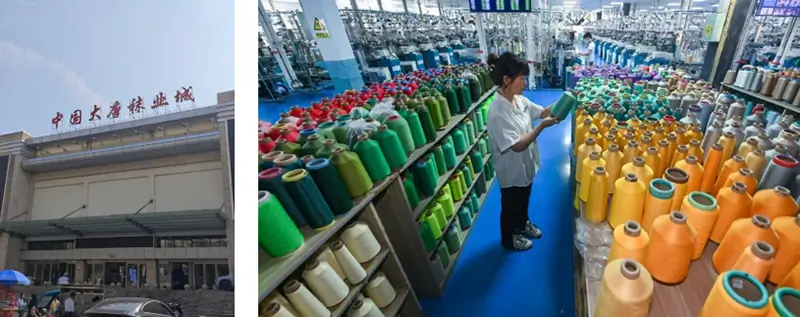
Datang, a town in Zhejiang called “Sock City,” is widely considered the center of the global sock manufacturing industry. Nearly 40% of the world’s socks are produced here, generating an annual industrial output value of roughly $9.7 billion.
The region is home to 2000+ specialized sock suppliers and supporting factories. Over 3/4 of the yarn used in sock production is sourced locally.
From knitting and toe sewing to shaping, ironing, dyeing, packaging, and machinery support, nearly every stage of the sock manufacturing process can be completed within the cluster itself, creating a highly efficient and deeply integrated industrial ecosystem.
China’s cotton sock hub
Liaoyuan, Jilin developed a different specialization. The city is widely known as China’s major cotton sock manufacturing base, producing around 3.5–4 billion pairs annually.
Historically, Liaoyuan built a strong foundation in light industry and textile manufacturing, supported by technical expertise and a large pool of skilled workers. What started as many small workshops has evolved into 1,200+ mature sock suppliers.
Stable demand for thick cotton socks in northern China has pushed factories to to scale up cotton sock production.
Subscribe
Subscribe to us to see more case studies like this one, plus startup stories, product ideas, sourcing insights, and China sourcing stories.
Wholesale and Customize
Have great product ideas but not sure where to start? Or maybe you’re looking to buy products in stock, add your logo, customize packaging, or place a small order for quick testing?
Share your ideas. Get affordable, and effective sourcing solutions!