How a Chinese Military-Origin Factory Built a U.S. Toy Gun Brand
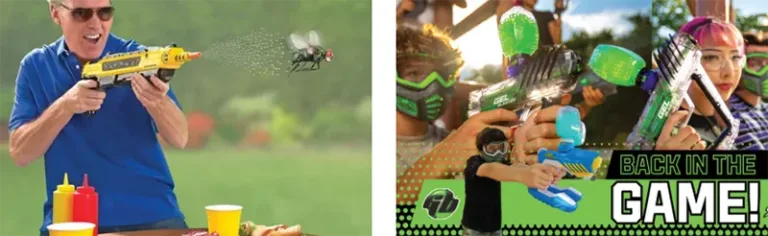
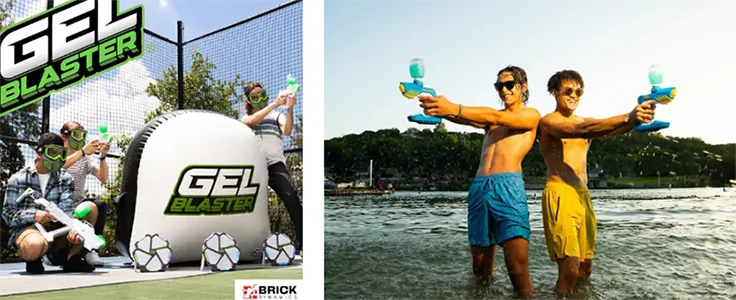
We previously talked about that bug-shooting salt gun—an idea that sounded crazy at first but somehow became a hit. Today, we’re looking at another toy blaster: Gel Blaster, which shoots biodegradable gel beads. They burst on impact, leave almost no mess, yet still manage to recreate that competitive, video-game-style shooting experience in a family backyard. What really caught our attention was how fast it grew. $5M in two years, then scaled to $70M in just one more year.
The most unexpected part? The core manufacturer behind it is a Chinese factory that originally produced military products before transitioning into ODM manufacturing.
Backyard Play with His Sons Sparked the Product Idea
During the COVID lockdowns, Colin spent a lot of time at home playing toy blasters with his two sons, who were 8 and 13 at the time. They tried almost everything on the market, from NERF foam blasters to electronic toy guns with lights and sound effects. But he noticed his older son kept drifting back to shooting video games like Fortnite.
As a parent, Colin started wondering: was there a way to bring that competitive, shooter-style fun off the screen and into family playtime? That question led them to try paintball, which the kids instantly loved. The head-to-head gameplay was exciting, and it quickly became a bonding activity for the whole family.
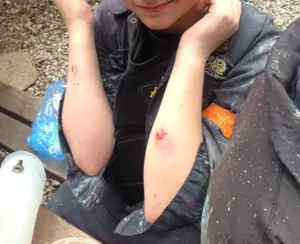
But the problems showed up just as quickly. Paintball meant booking fields in advance, driving out of town, and a lot of cleanup afterward. A single session could easily cost hundreds of dollars, and safety was always a concern. Even his younger son, a tough kid, found getting hit by paintballs genuinely painful.
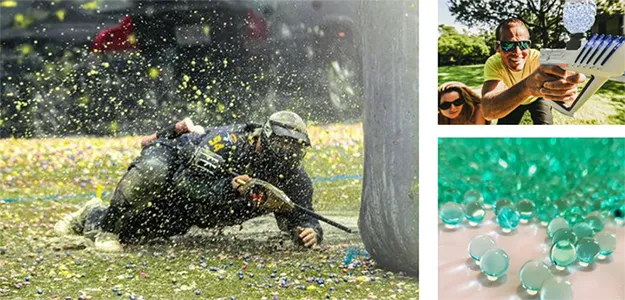
Colin realized paintball was fun, but it could never be an everyday, family-friendly activity. He began researching alternatives on the market, but most options were even worse when it came to safety and cleanup, often leaving thousands of plastic pellets scattered across the backyard.
What if there were something in between paintball and toy blasters? A product that still felt competitive and exciting, but was safe, affordable, and easy to clean, something families could play with right in their own backyard. That idea became Gel Blaster: using high-water, biodegradable gel beads that burst on impact, keep cleanup minimal, and operate within a family-safe velocity range, with protective eyewear as part of the setup.
Great Idea Met a Military Factory in Transition
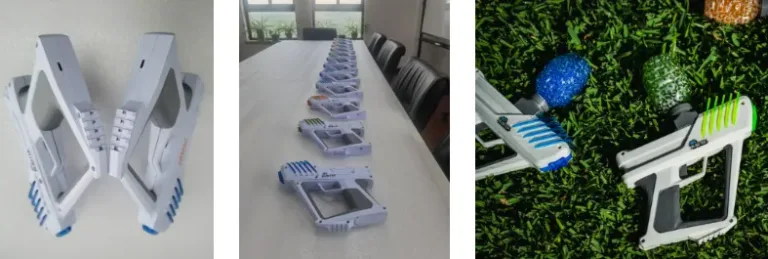
Colin noticed that most toy blasters on the market looked the same, military-style, dark, and overly realistic. To stand out, the product had to feel different from day one. That’s why the first-generation Gel Blaster leaned toward sci-fi gear, with clean lines, brighter colors, and a high-tech gadget vibe.
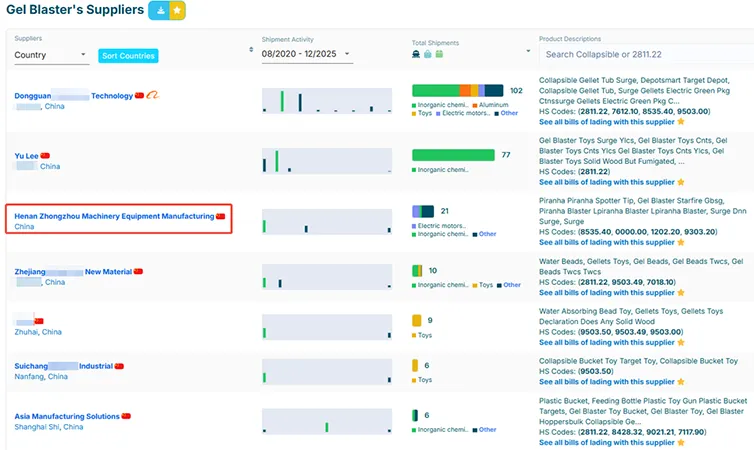
Interestingly, gel blaster–style toys were originally developed in China. However, due to strict regulations on gun-related products in China, the category was never able to scale properly. Gel Blaster’s core manufacturing partner was a Henan-based factory in China with more than 60 years of manufacturing history, originally focused on military-related mechanical production. As regulations in China severely restricted gun-related manufacturing, its domestic business was largely cut off, pushing the factory close to shutdown.
Becoming a supplier for Gel Blaster turned out to be a critical opportunity. The partnership marked a turning point, enabling the factory to move into consumer mechanical products and eventually establish itself as an ODM manufacturer for toy blasters, effectively giving the business a second life.
That background turned out to be a perfect match for Gel Blaster’s needs.
Handling mechanically and electrically complex assemblies
Supporting long-term, stable mass production
Operating with a strong awareness of compliance and safety standards, such as ASTM certifications
We’re impressed to see this as one of those rare cases where the brand and the factory truly chose each other. The brand needed a capable supplier to bring its product to life, and the factory needed a meaningful project and stable orders to complete its transition.
Built on China’s Manufacturing Cluster Advantage
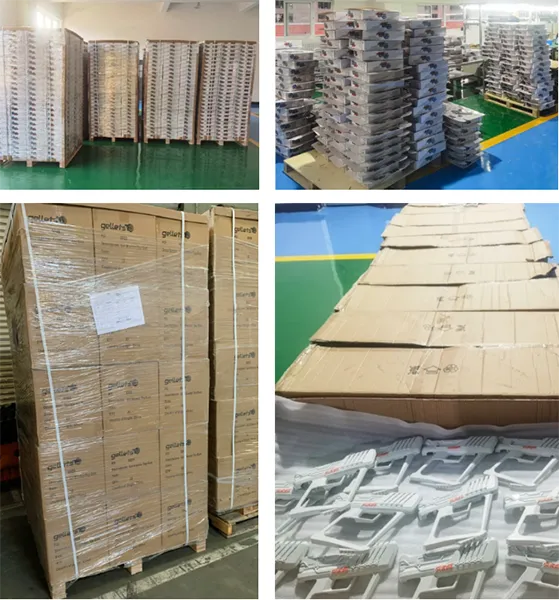
Now, let’s look at how the Gel Blaster product was actually built. To do that, it’s important to separate core manufacturing from the broader supply chain. The electric system and final assembly were handled by the Henan-based factory. Other components were produced by suppliers across different parts of China and then integrated together. This is one of the biggest strengths of China’s supply chain.
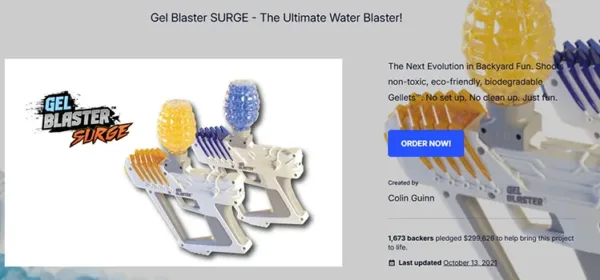
Once the initial prototype and samples were ready, the team chose the lowest-cost, fastest-feedback path to market: crowdfunding. The campaign raised about $300K to cover the first production run, but more importantly, it was designed to answer a much bigger question: was there real demand for this product at all?
They launched multiple pricing tiers, ranging from $49 and $59 up to $79, $119, and even $699. The lineup covered everything from entry-level models to multiplayer kits and bundles with extra gel beads. This approach helped them test price tolerance while clearly segmenting customers: families looking for a backyard toy versus users leaning toward competitive play and repeat consumable purchases. The orders provided a clear answer.
A Two-Way Commitment Between Brand and Supply Chain
We have to say, Gel Blaster’s success came down to a combination we don’t see often: a genuinely innovative product and a manufacturing partner capable of executing it. It was a rare case where timing, product, and capability all aligned—a win-win from the start.
As the gel blaster toy market continued to grow, competition intensified and similar products flooded in. During rapid brand expansion, the business ran into a cash flow break and could no longer pay outstanding orders.
For the supplier, this was a real crossroads. Lin, the factory owner, knew how large Gel Blaster’s order volumes had become and how much momentum the product still had. From his side, the decision was whether to stop shipments and cut losses, or to keep supporting a product he believed still had room to grow.
In the end, both sides made the same call: to move forward together. The factory continued to take responsibility for product manufacturing and the supply chain, while Colin, stayed on as CEO to keep the brand moving in the same direction.
After that, the way they worked together changed noticeably. The supply chain and the U.S. operating team were no longer working in silos. Lin started bringing the China-based supply chain much closer into product structure, engineering decisions, and manufacturing execution. At the same time, the U.S. team stayed focused on operations, branding, and sales.
We could see a clear feedback loop forming. Real product usage and customer feedback from the market were consistently gathered and shared back with the supply chain. Those insights directly shaped product tweaks, engineering adjustments, and improvements over time.
Subscribe
Subscribe to us to see more case studies like this one, plus startup stories, product ideas, China sourcing stories, insights, and practical tips.
Wholesale and Customize
Have great product ideas but not sure where to start? Or maybe you’re looking to buy products in stock, add your logo, customize packaging, or place a small order for quick testing?
Share your ideas. Get affordable, and effective sourcing solutions!