Pet Product Ideas (2026): Smart Tech & Simple Solutions
Recently, we have received many inquiries about AI-powered pet products and collected some interesting product informations. By adding AI, sensors, and data features to traditional products, some brands have created new use cases and achieved 3–6x higher price points.
But opportunities go beyond smart hardware. Some sellers are also using simple improvements to solve everyday problems for pet owners, creating differentiation and achieving strong sales performance.
Smart Pet Products Are Moving Beyond Basic Functions
Turning a water fountain into a pet health tracker
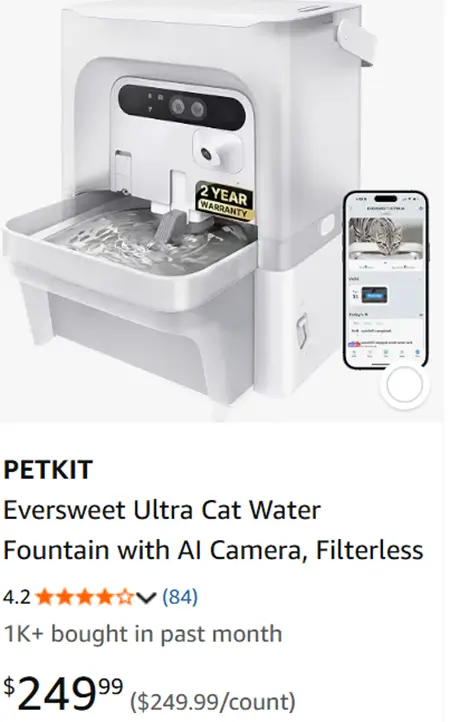
Priced at $249.99, PETKIT’s AI-powered water fountain is about 6 times more expensive than standard stainless steel models. It sold 1K+ units on Amazon in the past month.
Its premium price mainly comes from the built-in AI camera, which identifies individual pets based on owner-uploaded profiles and tracks their drinking habits. This turns a regular water fountain into a pet health monitoring tool, especially for multi-pet households. It also features a clean-and-waste water separation design to reduce the need for filter replacements.
Smart collars are making pet tracking more reliable
In Western markets, some cat owners allow their cats to roam in backyards, gardens, or nearby neighborhoods, and some even take them outdoors with a harness. In rural and suburban areas, cats may have much larger roaming ranges. As pet health awareness grows, more owners want to understand their cats’ location, activity patterns, and overall health.
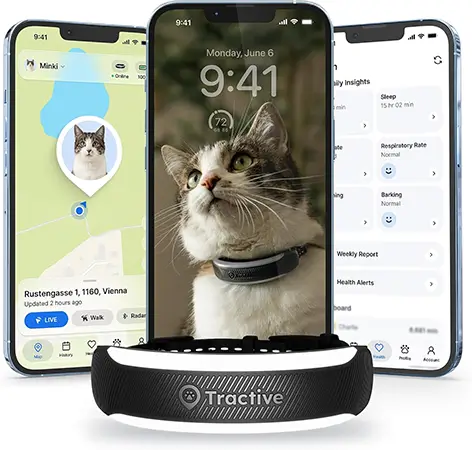
In April 2026, Tractive launched a smart collar designed specifically for cats, highlighting a new opportunity in this niche category. Priced at around $69, the device builds on GPS tracking by adding health monitoring features such as heart rate, breathing rate, sleep, and activity tracking. Tractive’s official video showing cats’ daily movement patterns on the app map attracted significant attention. One video featuring a cat named “Minki,” whose daily route followed a predictable two-location pattern, reached 418K views.
Beyond the hardware cost, Tractive also uses a subscription-based model. Users can choose monthly, 1-year, 2-year, or 5-year plans, with longer subscriptions offering a lower monthly cost. Depending on the plan, the service costs around $81–134 per year.
According to the company, the collar can last around 7 days in low-power mode. However, some users reported much faster battery drain when using real-time tracking, with the battery dropping from around 100% to 15% within two hours. Users also reported inconsistent location tracking performance.
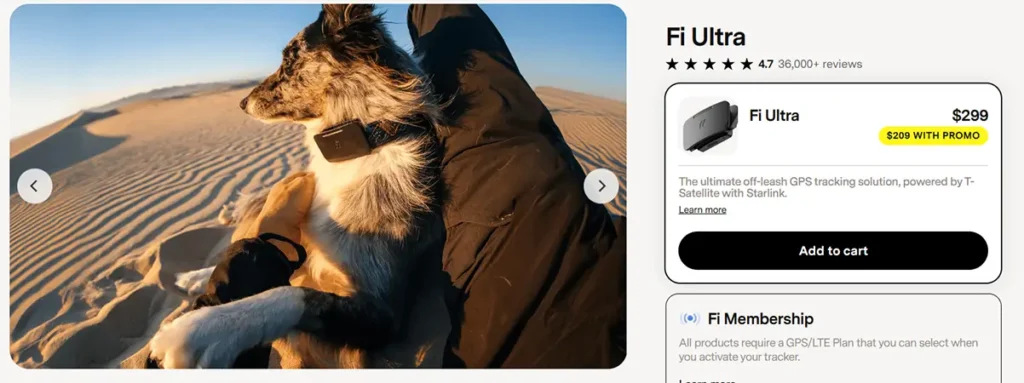
In July 2026, Fi launched a dog smart collar with Starlink Direct-to-Cell satellite communication. Most GPS trackers rely on cellular networks, which can become unreliable in remote areas such as mountains or farms. Satellite connectivity helps maintain a connection even where cellular coverage is limited. Priced at $299, the product has 36K+ reviews.
AI is exploring the emotional side of pet care
Beyond safety and health monitoring, some smart pet products are exploring deeper emotional connections between pets and owners.
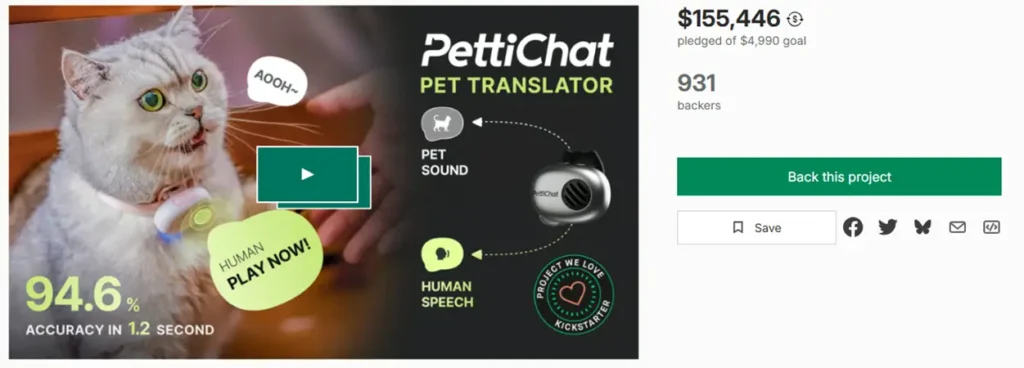
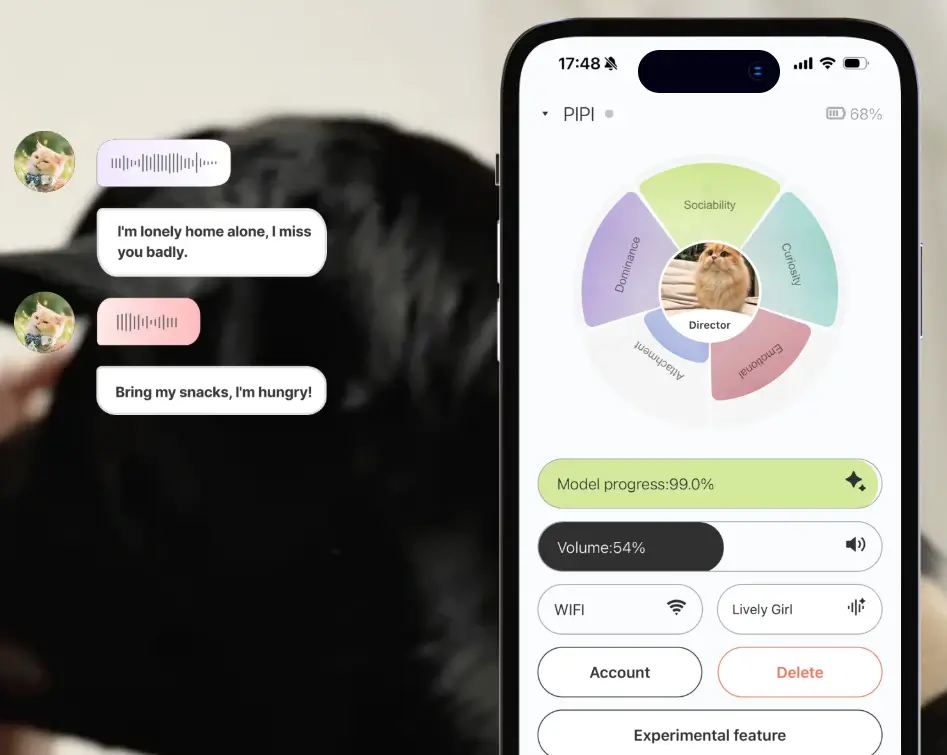
Launched this year, an AI-powered pet interaction device analyzes pet sounds and behavioral data to help owners better understand their pets. The product launched a Kickstarter campaign in April 2026, raising around $1.55M within 30 days with about 900 backers. Priced at $179, it has received 20K+ orders.
While some may initially see this type of product as a novelty, it is trained on large datasets, including 5M+ pet sound samples and 1.54M expert-labeled records. During use, the device collects pet sounds, movements, and posture changes through built-in audio sensors and a six-axis gyroscope.
The AI model then analyzes these inputs and generates recognition results, which are displayed through the mobile app. In addition, pet owners can type messages in the app, and the device converts them into sound signals designed for pets to respond to. According to the company, the product achieves 94.6% accuracy in recognizing cat emotions and 92.3% for dogs.
China’s supply chain behind smart pet products
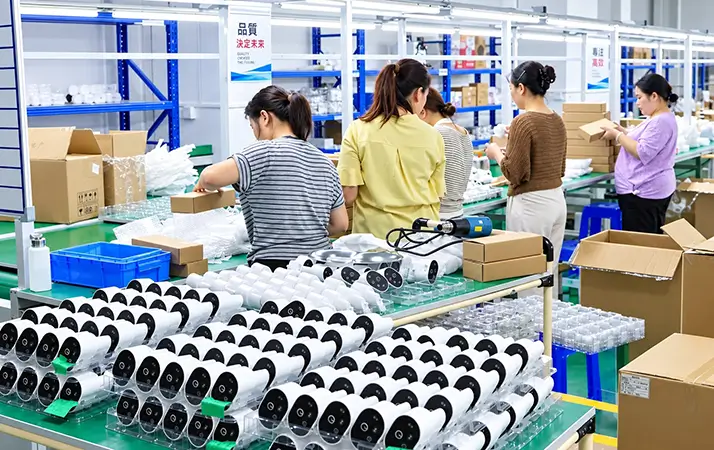
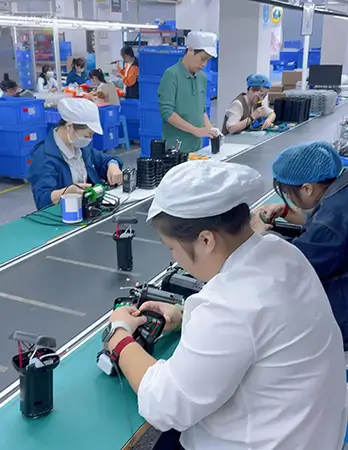
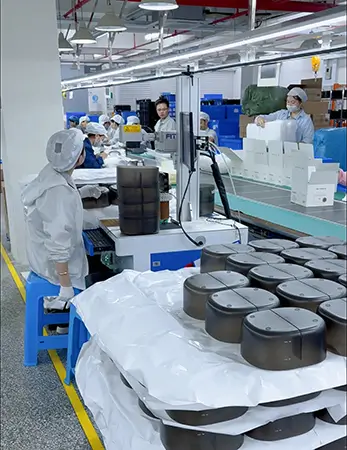
Smart pet products are supported by two mature supply chains: pet products manufacturing and consumer electronics. Beyond plastic structures and mechanical components, they also require electronic solutions, sensors, batteries, communication modules, and software integration.
Guangdong’s Pearl River Delta is a major supply chain hub for smart pet products, home to many IoT(Internet of Things)and consumer electronics ODM companies. Shenzhen has a mature supply chain for smart control and communication technologies. For example, Topband provides smart control solutions, whileQuectel supplies GPS, cellular, and IoT modules for connected devices.
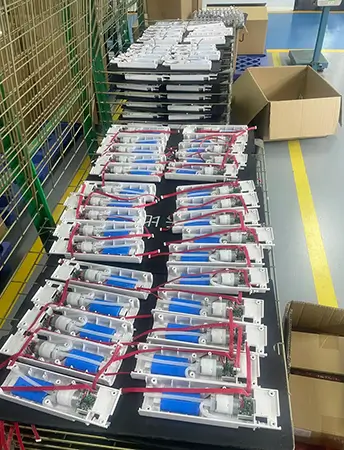
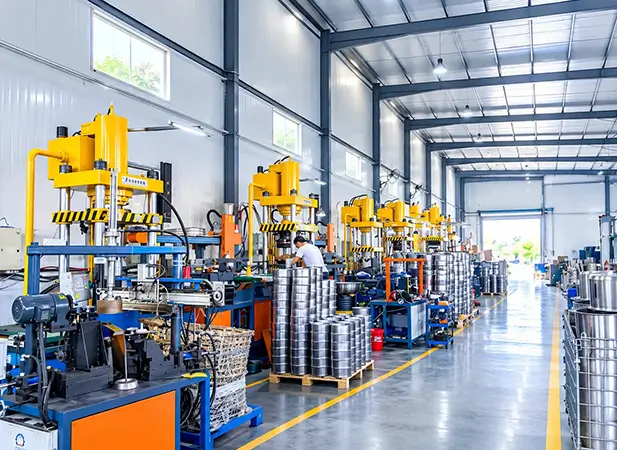
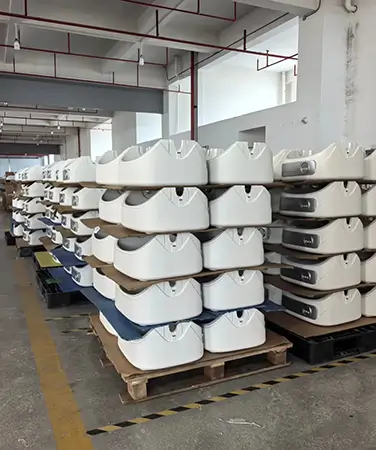
Dongguan specializes in precision injection molding, mold development, and electronics assembly, supporting smart pet products from structural manufacturing to finished production.
Simple Product Improvements Can Still Create New Opportunities
As a seller, you may have already noticed a frustrating reality: competing in the smart technology space is difficult, as it is largely dominated by bigger brands with more resources. For smaller sellers, a more practical approach is often to focus on simple product improvements that solve real problems and create products with better profit potential.
Two ways sellers improved a mature product
Pet water fountains are already a mature category, but some sellers are still finding new opportunities by solving specific problems for pet owners. Let’s look at two products that took different approaches to stand out.
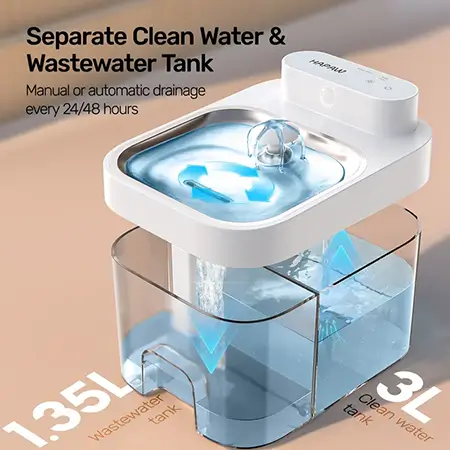
Separating clean water from used water
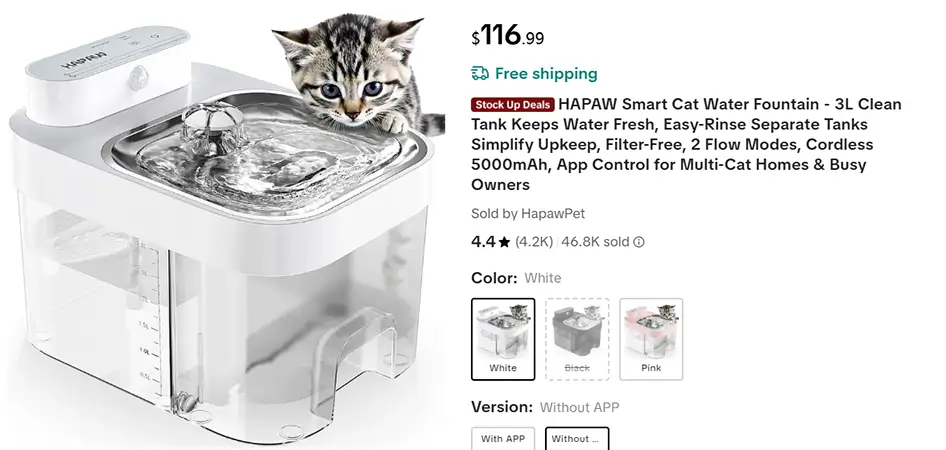
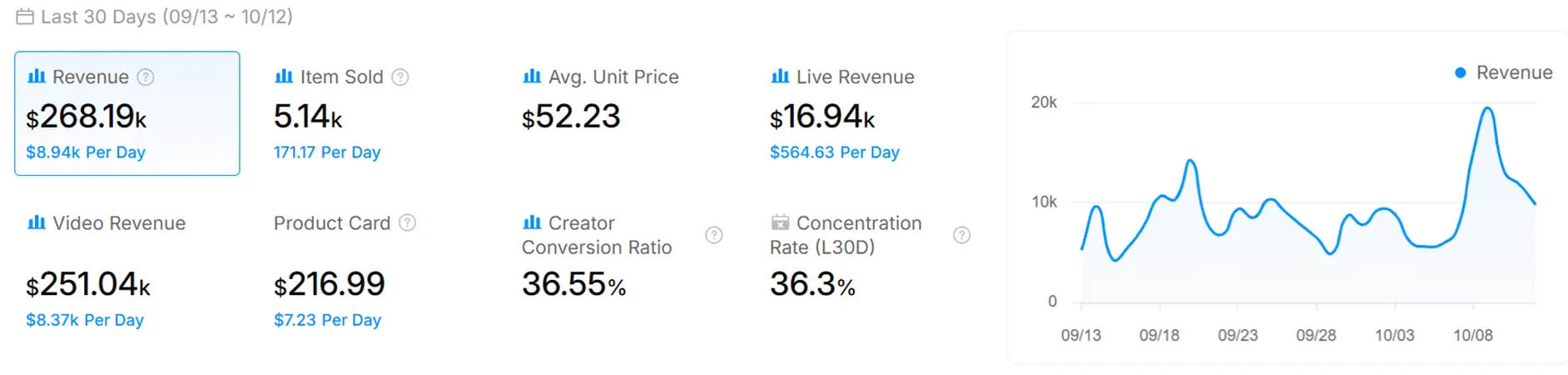
The first product is a pet water fountain launched this year. Like the AI-powered water fountain mentioned earlier, it uses separate clean and waste water tanks, allowing leftover water to flow directly into the waste compartment. Priced at $117, it costs about half as much as the AI model. The China sourcing price is around $50–59/pc, with an upgraded temperature-control version available at around $54–67/pc.
In the past month, the product sold 4.98K units, with 46K+ units sold in total and around $2.8M in GMV. In the pet category, recurring consumable costs are a real pain point. Removing this ongoing expense may be one of the main reasons behind the product’s strong market performance.
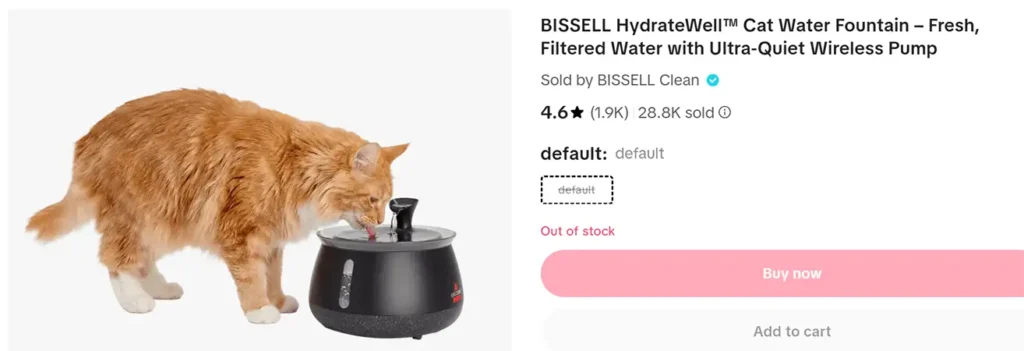
Solving the “slimy bowl” problem
Another product focuses on a different problem: water bowls becoming slimy after regular use.It uses antimicrobial materials on water-contact areas and an easier-to-clean pump design to help keep the drinking area cleaner.
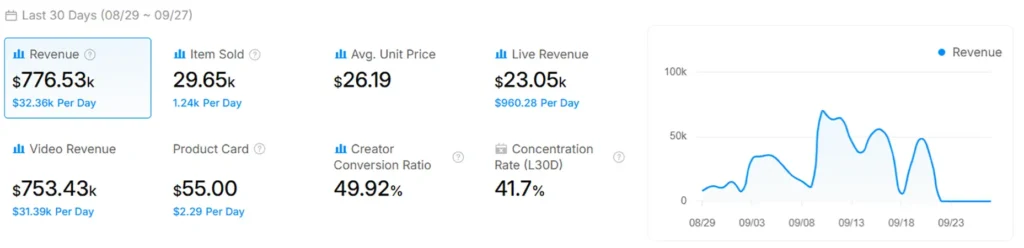
After launching in August 2026, it sold 29K+ units within 30 days and quickly sold out, generating around $1M in GMV. Notably, around 96% of sales came from short-form videos, where the simple message of “keeping the bowl from getting slimy” directly connected with pet owners’ daily frustrations.
43K+ units sold: an automatic litter box that did less
In recent years, automatic litter boxes have evolved with more smart features, such as weight tracking, health monitoring, and app notifications. However, these added features also increase the price and create additional maintenance needs.
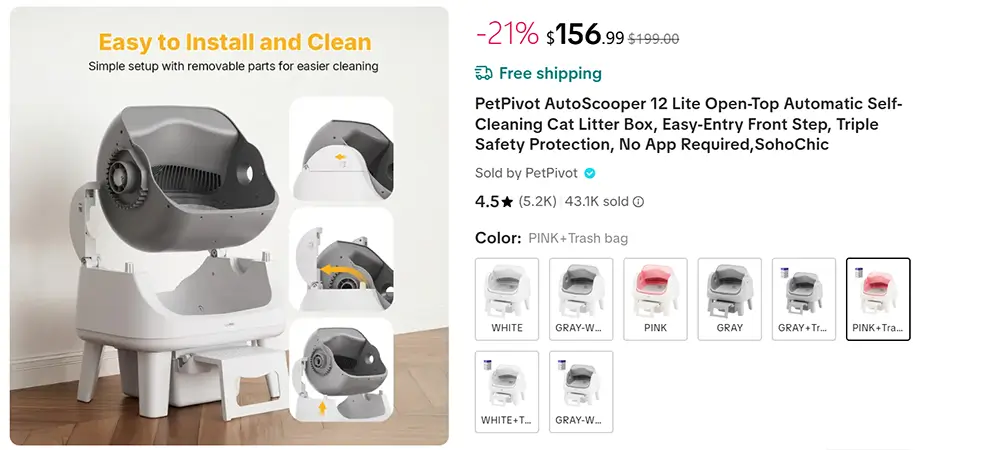
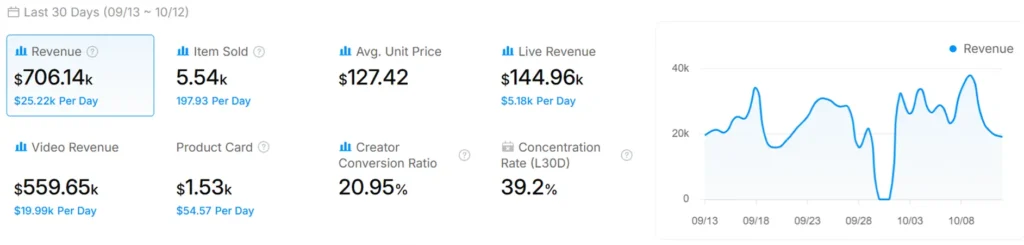
A self-cleaning litter box launched this year uses “No App. No Wi-Fi” as its main selling point. Priced at around $157, similar products from China are sourced at around $72–90/pc. The product has sold 43.1K+ units in total, with 5.5K units sold in the past month.
It removes unnecessary smart features and focuses on the core self-cleaning function while improving everyday usability. After the cat leaves, built-in sensors detect the usage status and automatically start the cleaning cycle, separating clumped litter and collecting waste into an 8L sealed drawer that can hold around 7–10 days of waste, reducing the need for frequent cleaning.
Although it removes smart features, safety remains a priority. The product uses multiple infrared sensors, automatic stop protection, and anti-pinch design to reduce safety risks during operation.
Making air purifiers more relevant to pet owners
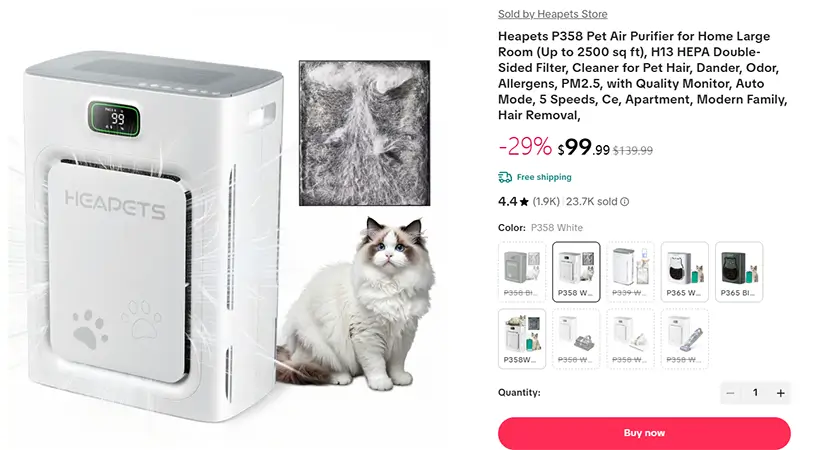
Launched in May 2026, this air purifier designed for pet households has sold around 22.5K units, generating nearly $1M in GMV.
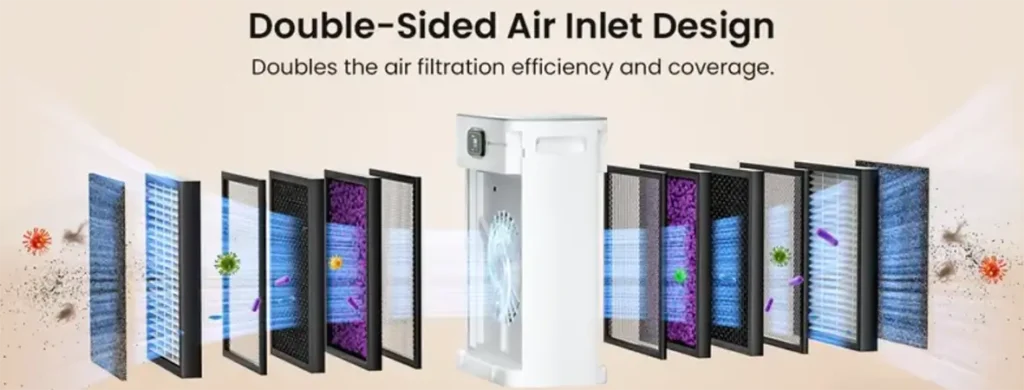
It combines proven U-shaped air intake, pre-filtration, HEPA, and activated carbon technologies and adapts them for pet households.
The dual-sided intake first pulls in floating pet hair, then the air passes through multiple filtration layers in sequence. A pet-specific pre-filter captures pet hair and larger dust particles, followed by an activated carbon layer that helps absorb pet odors. Finally, the H13 HEPA filter captures pet dander, allergens, and fine particles before clean air is released from the top outlet. By optimizing a proven filtration system for pet owners, it helps tackle common problems like pet hair and odors.
Turning a cleaning tool into a pet solution
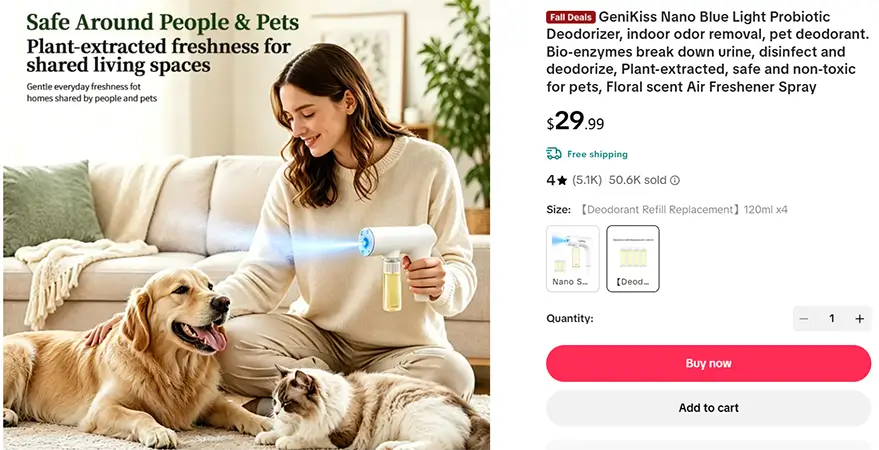
This year, an electric odor sprayer entered the market, combining a nano blue-light spray system with a probiotic deodorizing formula to help pet owners deal with odors and hygiene issues in pet areas. Compared with regular spray bottles, its electric misting system provides more even coverage while reducing the effort of repeated pumping.
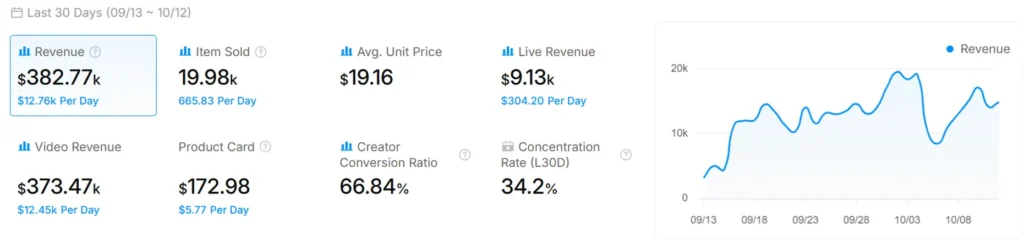
Priced at around $29.99, the product has sold 50.6K+ units, with over 19K units sold in the past month. Similar products from China are priced around $2.33–5.56/pc. However, some users reported issues with plastic quality and leakage.
China’s supply chain for everyday pet products
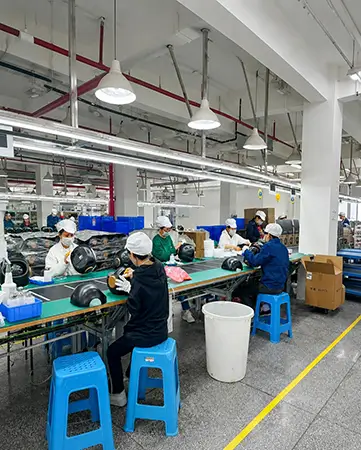
Compared with smart pet products, China’s supply chain for conventional pet supplies is more mature, with established manufacturing clusters in plastic products, injection molding, textiles, and household goods.
Zhejiang Taizhou and Yiwu are important production hubs for everyday pet products. Taizhou has a mature plastic manufacturing and mold-making industry, making it suitable for products such as grooming brushes, pet bowls, litter boxes, and pet toys. Local factories typically have capabilities in injection molding, mold manufacturing, assembly, and packaging, covering a wide range of conventional pet supplies.
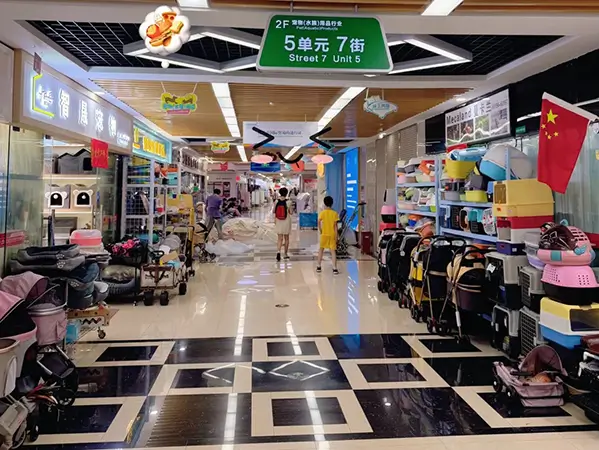
Yiwu is China’s largest hub for pet product sourcing and export trade. Yiwu International Trade Market’s District 5 offers 10,000+ pet product SKUs.
Ningbo in Zhejiang is more focused on small appliance manufacturing and precision plastic production. The region has established supply chains for water pumps, motors, and plastic components, with extensive experience in motor systems, water flow design, and plastic part manufacturing. This makes it suitable for products involving mechanical components, such as pet water fountains and automatic litter boxes.
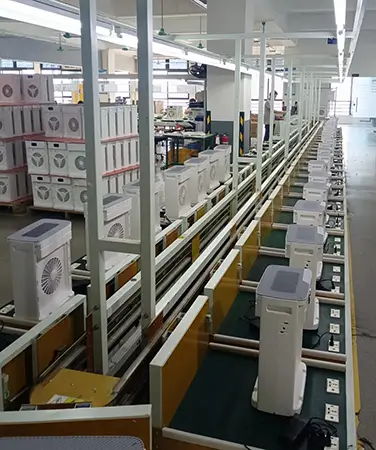
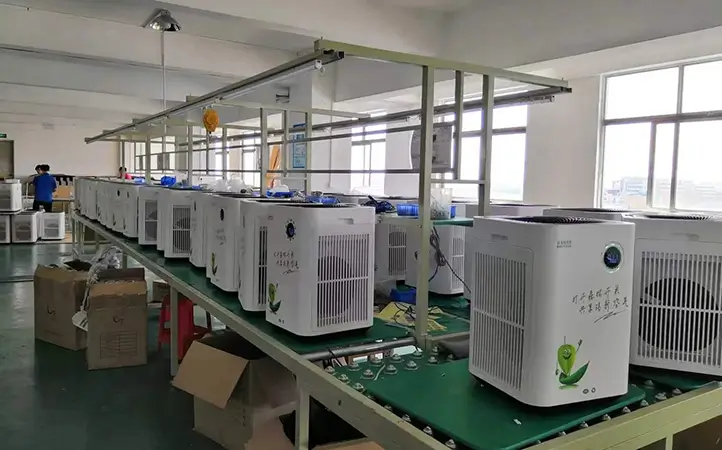
Foshan and Zhongshan in Guangdong benefit from well-developed home appliance supply chains, with strong manufacturing capabilities in fans, motors, and filtration components. The region has built a complete supply chain covering everything from components to finished product assembly.
Subscribe
Subscribe to us to see more product ideas like this one, plus startup stories, case studies, sourcing insights, and China sourcing stories.
Wholesale and Customize
Have great product ideas but not sure where to start? Or maybe you’re looking to buy products in stock, add your logo, customize packaging, or place a small order for quick testing?
Share your ideas. Get affordable, and effective sourcing solutions!