We respect our clients' privacy. The product examples shared are partial displays or similar categories, carefully chosen to protect confidential information.
Finding a factory is usually the easy part. The harder part starts after the factory says yes. handle your order from production to delivery and meet your market requirements. In four recent client projects cases, we saw exactly what that gap looks like in practice.
The Factory Was Great, Until the Reorder Came
A client selling on Amazon found a large, well-established yoga mat manufacturer in China. The factory had experience producing for well-known brands, so it looked like a safe choice. The first order went smoothly, the product quality was good.
The problem appeared when it was time to reorder. Production was delayed, follow-up messages went unanswered. For an Amazon seller, this production delay can quickly become an inventory and fulfillment problem.
We quickly moved the reorder to a smaller, more responsive factory. Since yoga mats have a relatively straightforward production process, the new supplier was able to complete the required quantity within ten days while maintaining the quality standard the client needed.
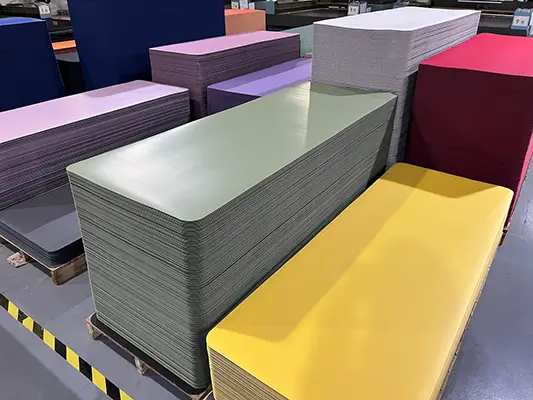
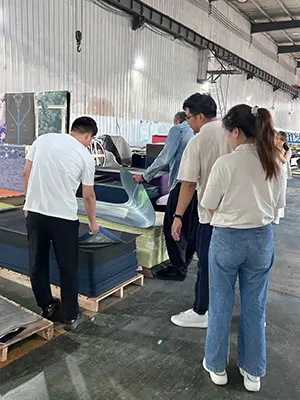
Large factories often have stronger capabilities and experience, but their production schedules may be affected by order volume, peak seasons, or internal priorities.
Factory Could Make It. But Who Would Handle the Rest?
Our client in Saudi Arabia needed children’s workbooks and had already found a factory in China. The factory could produce the books, but several issues appeared during the process.
The production timeline was much longer than expected, with the original plan requiring at least three months. The factory also had limited export experience and could not provide quality inspection before shipment, creating more uncertainty for the buyer.
The client turned to us for support. We found another supplier with available inventory and arranged the quality inspection and shipping process through our own team. In the end, the order was completed within three weeks, with the total cost remaining at a similar level to the original plan.
Everything Looked Ready. Until Customs Stopped It.
A European buyer had sourced from China many times before, so he was familiar with the process. For a new batch of plush toys, he found a supplier on Alibaba that claimed the products had CE marking. Everything seemed ready for shipment.
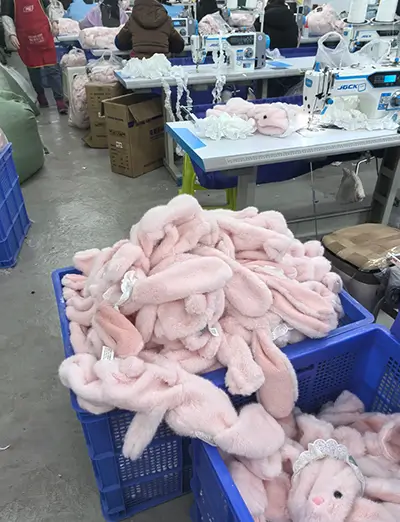
The problem appeared when the goods arrived at the port in Poland. Customs clearance was delayed because the buyer could not provide the complete, product-specific compliance documents required for those toys.
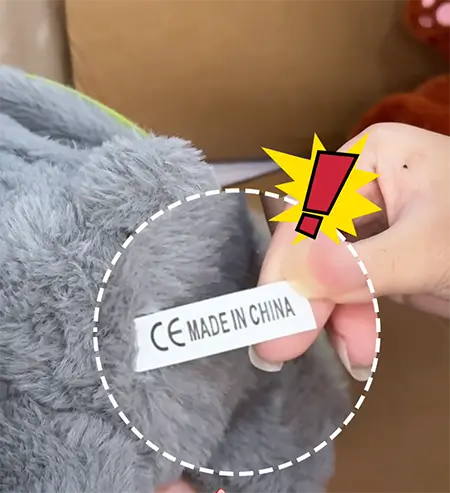
To request a refund, the shipment had to be returned to the factory, adding around $1,400 in return freight costs.
For toys sold in the EU, CE marking is not just a label on the product. Manufacturers need to complete the required safety assessments, prepare technical documentation, and issue an EU Declaration of Conformity before placing the product on the market.
Compliance checks should be part of supplier selection, not something discovered after the goods are already shipped.
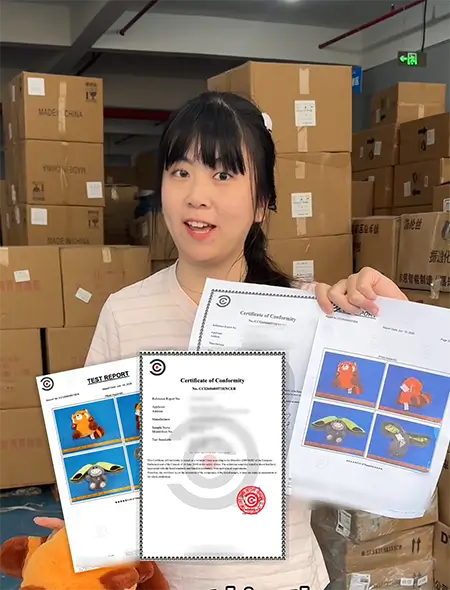
We helped the client source a new batch of plush toys and reviewed the relevant CE documentation before shipment. The complete compliance documents were shared with the client for verification before the goods left China.
Can Your Supplier Support Your Business at Scale?
The final case was very different. The client was a Polish e-commerce company that had been working with a Chinese trading company because its purchasing needs were spread across many different products.
This time, the order was a multi-category sourcing project involving more than 50 products, different factories, lead times, and quality requirements. The current partner could manage the purchasing process, but it needed one to two weeks just to prepare quotations. The client could not wait that long.
We divided the order by product category and assigned different sourcing teams to work in parallel. Each category was handled by sourcing agents familiar with the relevant suppliers and production processes. Within three days, the client received quotations for more than 50 products, with a total order value of around $30,000.
The products came from different suppliers across China, then were consolidated at our warehouse, inspected before shipment, and loaded into one container.
When you only have one or two SKUs, choosing a supplier is often enough. Once your business grows and purchasing becomes spread across dozens of products, supplier coordination, freight consolidation, quality control, and inventory planning become just as important as finding the right suppliers.
In all four cases, the factories had already proven they could make the products. The problems appeared in the parts beyond manufacturing: keeping production on schedule, managing shipment requirements, meeting compliance standards, and coordinating complex orders.
Subscribe
Subscribe to us to see more cases like this one, plus product ideas, China sourcing stories, insights.
Wholesale and Customize
Have great product ideas but not sure where to start? Or maybe you’re looking to buy products in stock, add your logo, customize packaging, or place a small order for quick testing?
Share your ideas. Get affordable, and effective sourcing solutions!