Cold Plunge Supply Chain: Why Brands Source from China
Ice baths and hot saunas. One of our Canadian clients called it “the most profitable business” in wellness right now. We’ve already helped a number of clients source infrared saunas, and cold plunge tubs are often the next product they ask about.
Surprisingly, many of the industry’s best-known brands are built on supply chains that trace back to China. So this time, let’s dig deeper into the cold plunge category.
What It Is and Who Is Buying It (Use Cases & Market Overview)
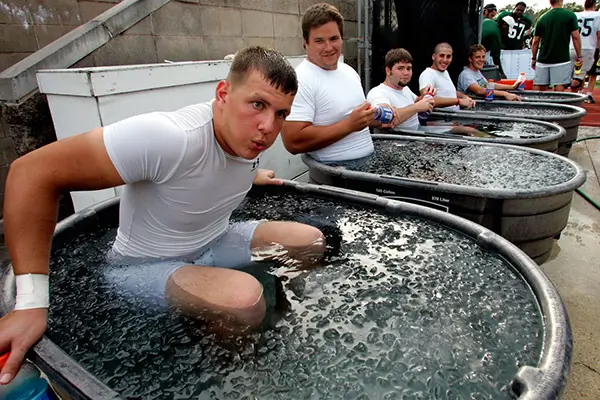
Ice tubs, also called cold plunges, are designed for cold-water immersion therapy. According to Grand View Research, the global cold plunge tub market was valued at approximately $354.6 million in 2025 and is projected to reach $659.9 million by 2033, growing at a CAGR of 8.1%.
Cold therapy has long been used by professional athletes. Today, it has expanded beyond sports recovery and into broader wellness use cases.
What's driving demand?
Contrast therapy: One of the fastest-growing wellness trends, combining hot sessions with cold plunges for recovery and wellness.
Faster muscle recovery: Cold exposure may help reduce soreness and support recovery after intense workouts.
Sports performance support: Athletes often use it between training sessions to recover faster and maintain performance.
Recovery and rehabilitation: Used in recovery protocols to help manage inflammation, swelling, and discomfort.
Stress management and mental wellness: Stimulate the parasympathetic nervous system to help the body relax and better manage stress.
Improved circulation: Alternating between hot and cold therapy is often associated with improved circulation.
Who's buying?
The customer base for cold plunges has expanded quickly over the past few years.
Consumer buyers include:
Athletes and fitness enthusiasts
Wellness-focused consumers
Longevity enthusiasts
Homeowners building home wellness spaces
Business buyers include:
Rehabilitation equipment distributors
Fitness equipment brands supplying gyms
Sports recovery brands
Wellness centers and recovery studios
Leisure clubs, spas, and sauna operators
Health and wellness product distributors
How the product has evolved
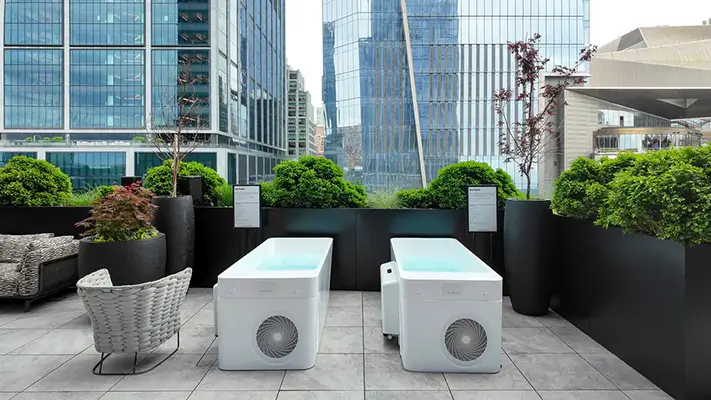
At its core, a cold plunge is a tub paired with a compact chiller. Depending on the design and positioning, retail prices vary significantly:
Inflatable and portable models: typically start from a few hundred dollars to around $1,000
Tub + chiller: commonly retail between $1,000 to $3,000+
Integrated premium systems: often sell for $4,000 to $8,000+
Beyond high-ticket pricing, value also comes from installation support, recurring accessory sales, and brand positioning.
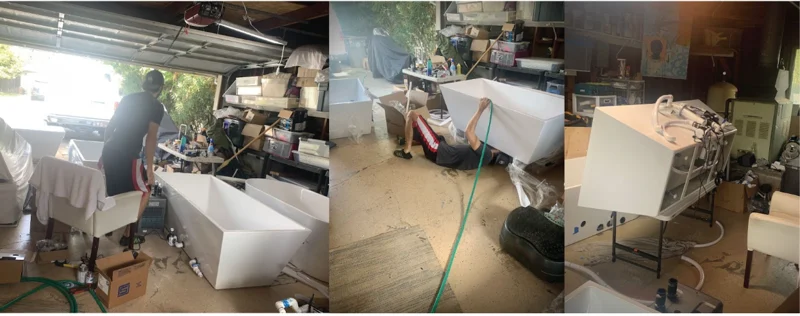
Plunge is one of the clearest examples. Founded by former float spa owner Michael Garrett, who was experienced with filtration and water quality maintenance. He spotted an underserved opportunity in the home cold therapy market and pivoted into cold plunges after the pandemic disrupted his float spa business.
What started as a DIY garage setup (using a modified bathtub and an external water chiller) quickly gained orders within his existing wellness network. Over time, the category has largely evolved toward fully integrated systems designed for home gyms, recovery rooms, and wellness spaces.
Leverage China’s Supply Chain for Premium Margins
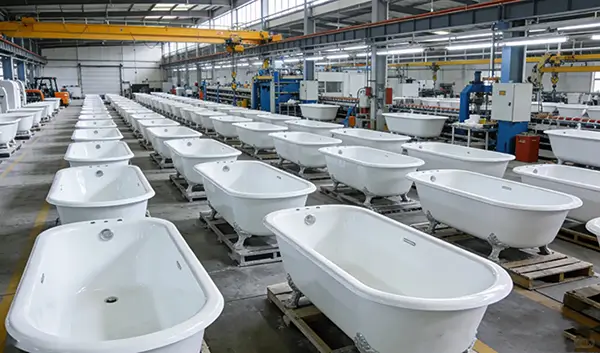
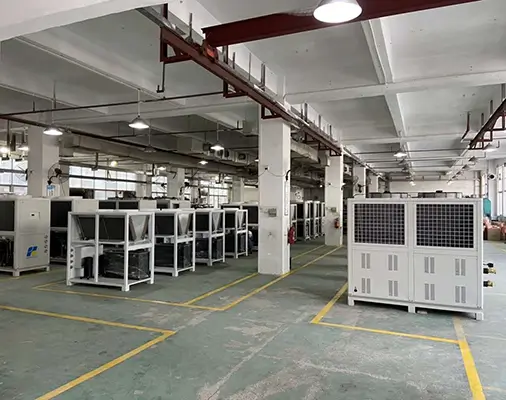
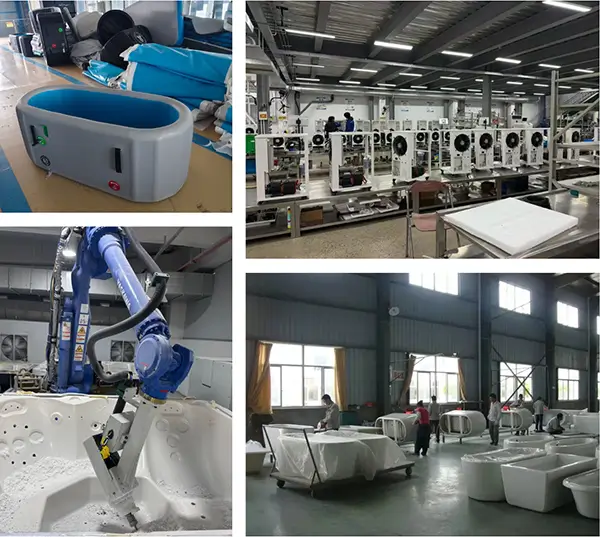
The cold plunge business is built on a highly mature supply chain in China’s sanitaryware and refrigeration industries. At its core, the product is an integration of bathtubs, chillers, filtration systems, and electronic control systems. Production is concentrated across a few key industrial clusters.
Foshan and the wider Guangdong region serve as the main hub for sanitaryware, acrylic and fiberglass molding, and OEM spa equipment.
Many leading ice bath brands are essentially sourcing from the same manufacturing ecosystems. As demand has grown and the category has matured, cold plunge products have become easier to standardize, scale, and segment into different price tiers.
Certifications and Market Access
Certifications and market access are market-specific. In the U.S. and Canada, cold plunge tubs and associated cooling equipment are now explicitly covered by updated system-level spa standards such as UL 1563 and CSA C22.2 No. 218.1.
In many commercial or wellness applications, buyers may also look for third-party safety documentation such as UL, ETL, and in some cases NSF/ANSI/CAN 50, depending on the product configuration. In Europe, the product generally needs CE compliance.
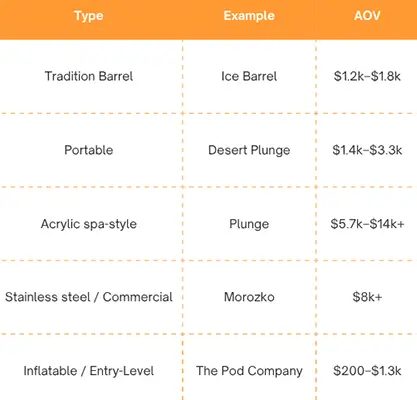
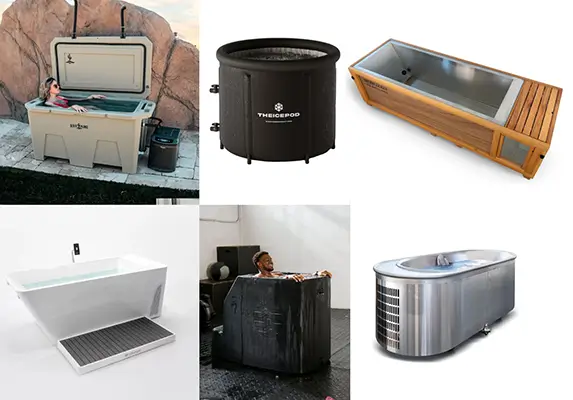
The Five Main Cold Plunge Categories
Most cold plunge are built on similar components: chillers, pumps, filters, and tubs. As a result, competition today is less about core technology and more about product design, positioning, and customer experience.
Most leading brands have emerged in the past five years, each targeting distinct price points, use cases, and customer segments.
Recovery Products Growing Around Plunge
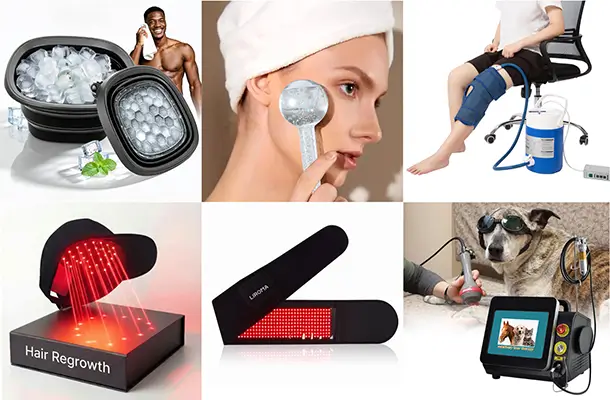
As cold-hot contrast therapy goes mainstream, recovery products are rapidly emerging around it. We’ve helped clients source many of these products, including Face Plunge Basins, Cryo Beauty Sticks, Hot & Cold Facial Steam Devices, Cold Compression Machines, Red Light Hair Therapy Devices, Pet Laser Therapy Devices, and more.
Subscribe
Subscribe to us to see more sourcing insights like this one, plus startup stories, product ideas, case studies, and China sourcing stories.
Wholesale and Customize
Have great product ideas but not sure where to start? Or maybe you’re looking to buy products in stock, add your logo, customize packaging, or place a small order for quick testing?
Share your ideas. Get affordable, and effective sourcing solutions!