Product images are for reference only and do not represent actual client products.
Today we’re looking at a category that’s quietly blowing up: sensory toys.
Let’s go straight to an example. While trying to find better sensory toys for her kid, a mom realized most products on the market weren’t truly safe or well-designed for kids’ sensory needs. So she turned that gap into a niche subscription business doing $100K+ per month.
We’ll also break down some of the latest best-selling products in the space, and take a look at the supply chains behind the category.
Turning Sensory Therapy into a $100K+/Month Subscription Business
Parent's Insight Revealed a Clear Niche Market Gap
The story of Young, Wild & Friedman begins with its founder, Julie Friedman, who encountered a personal challenge when her daughter was diagnosed with a speech and developmental condition.
A therapist recommended incorporating sensory play into daily routines to support language development, strengthen neural connections, and help reduce anxiety through structured tactile stimulation.
When Julie went hunting for the perfect sensory toys for her daughter, nothing quite fit.
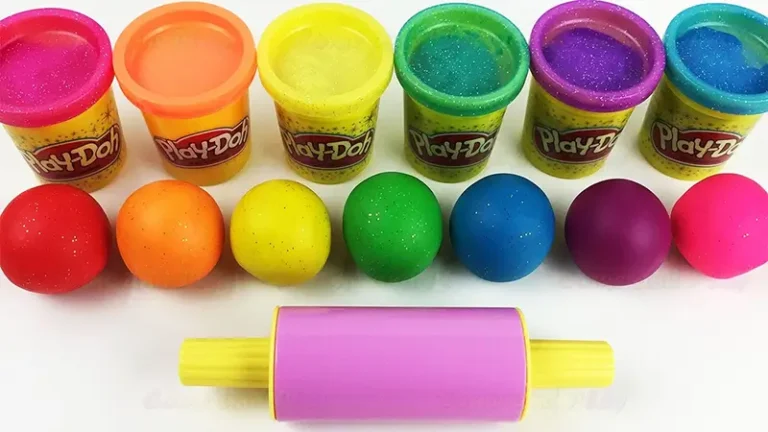
Mainstream brands like Play-Doh often contain preservatives and chemicals that worry parents for high-contact, potentially mouth-bound products.
Therapy tools felt too clinical—just plain, function-first shapes.
Then there were DIY sensory bins, a Montessori-inspired approach where parents fill containers with materials like rice, sand, or beads along with small themed objects. While sounded great , it proved messy and time-consuming to set up and clean. Kids often lost interest after one play session.
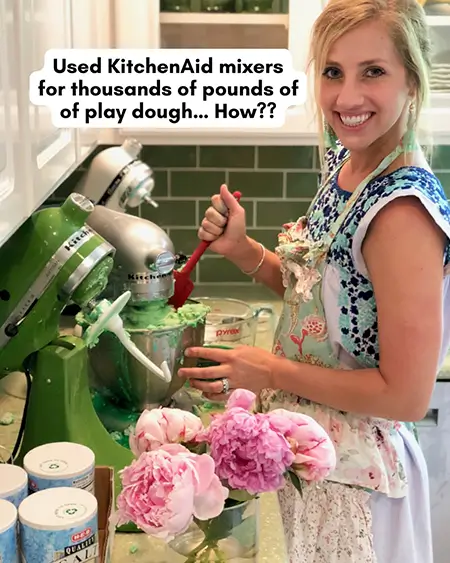
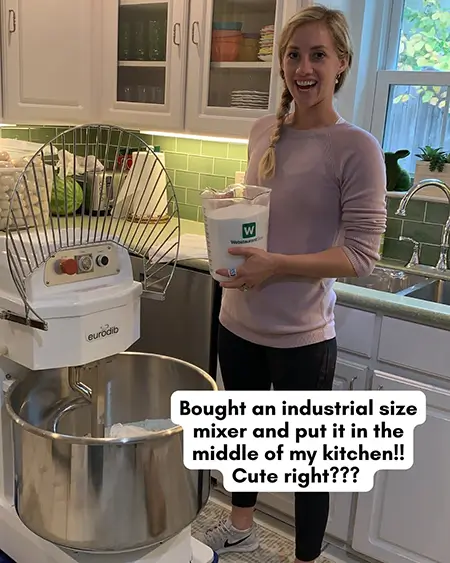
Since she couldn’t find what she wanted, Julie decided to DIY it. She grabbed her kitchen mixer and experimented with flour, salt, baking powder, and essential oils.
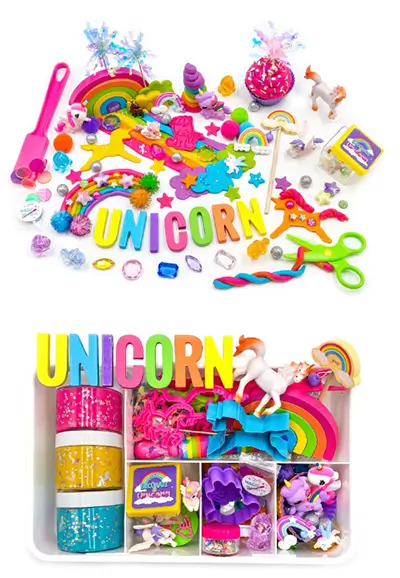
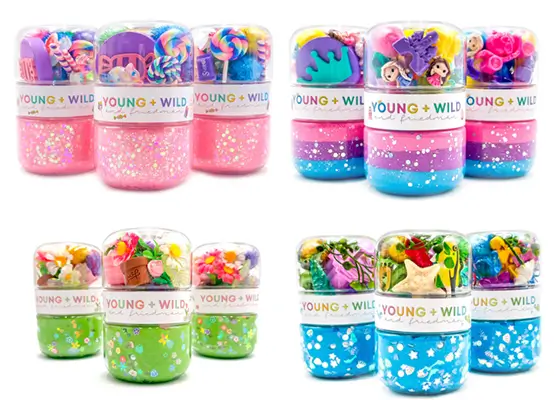
The result was a soft, moldable sensory dough designed to be safe for frequent handling, non-toxic in composition. She also built themed kits around the dough, adding small figurines and accessories to turn sensory play into imaginative storytelling.
Test market demand through small drops
At first, Julie simply shared her homemade sensory dough kits with friends. The reaction was instant—everyone wanted in. They loved that it was all-natural and, more importantly, a perfect screen-free activity for the kids.
Encouraged by this demand, she began selling at local trunk shows and community pop-up events. The initial batch of around 60 kits were gone in minutes, validating that it was a broader parenting need.
From there, she expanded the product into themed experiences, introducing designs such as mermaids, unicorns, dinosaurs, construction sets, gardens.
Genius Business Model: Shelf Life Turned Subscription Loop
Here’s the brilliant part: because the dough is all-natural (just flour, salt, and oil), it has a shelf life of only 3 to 6 months. In most businesses, a short shelf life is a headache, but for Julie, it’s the ultimate reason for a subscription.
A typical sensory kit sells for $35 to $45 and includes themed dough, tools, and small accessory pieces designed around a specific play concept.
Families can subscribe for around $35 per month and receive a new themed kit each cycle, with themes pre-announced for the year. This creates anticipation for children while removing decision fatigue for parents.
Supply Chain Behind Sensory Dough
Bakery logic at the core
How do you sell a ball of dough at a 10x markup?
YWF’s answer is simple: industrialize a bakery-style recipe and reposition it as a sensory product. Their base ingredients are simple and widely available: flour, salt, cream of tartar, oil, food coloring, and a small amount of flavoring.
Production mirrors a bakery operation, using commercial stand mixers commonly found in the baking industry. The mixers are usually sourced from suppliers in Shandong, a major baking equipment hub in China.
Sourcing hundreds of components: the Yiwu advantage
Each sensory kit typically includes:
1 to 3 containers of sensory dough
10-15 small themed accessories (figurines, beads, molds, tools, decorative bits)
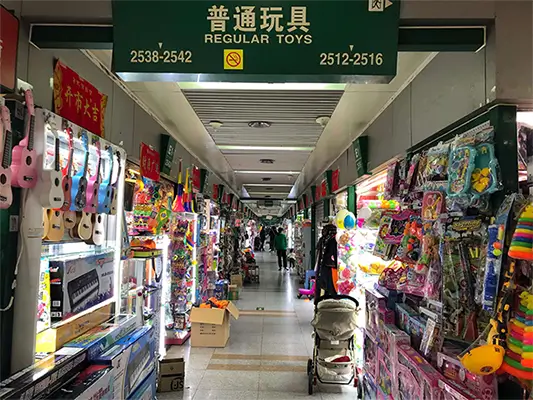
These components are primarily sourced from Yiwu, known as the world’s wholesale capital. Its key advantage lies in extreme SKU density and sourcing flexibility, enabling a wide variety of items to be sourced in small batches at low cost.
Accessories are pre-sourced from Yiwu in flexible inventory pools
Kits are assembled around specific themes
Final packaging is completed close to fulfillment
Expanding Sensory Market: It’s Much Bigger Than “Toys”
Sensory products are evolving beyond toys into everyday tools for managing attention, stress, and screen time. The niche category for neurodiverse people is now expanding into a much broader market.
Today, the use cases have widened significantly. By engaging touch, sight, and sometimes even smell, sensory products help regulate emotions, reduce anxiety, and improve focus.
students needing focus
office workers managing stress
screen-free activities for children
general anxiety relief
Let’s look at some of today’s best-selling sensory categories:
Expansion of tactile sensory products
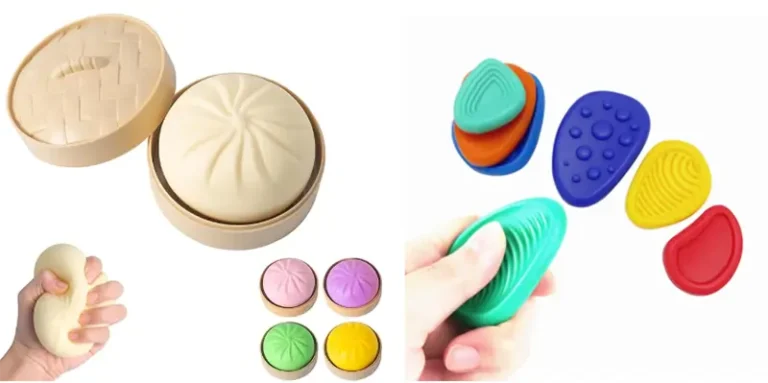
Some of the most stable products in this category are tactile sensory items, often made from silicone, such as squishy toys and sensory stones, which we’ve also repeatedly sourced for clients.
Silicone is widely used because it delivers endless textures (bumpy, smooth, spiky) while staying soft, durable, and skin-safe.
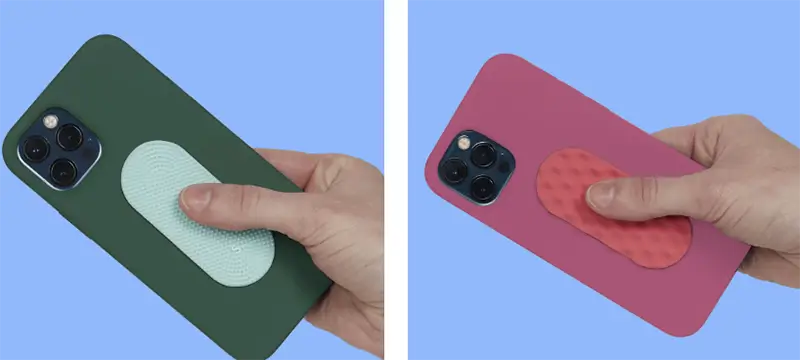
Interestingly, these products are evolving into new formats and are increasingly integrated into everyday items, such as phone sticker attachments with raised, sensory stone-like textures.
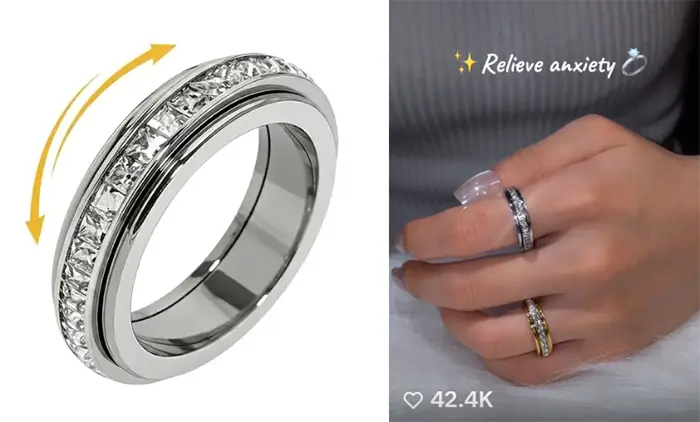
Anxiety relief jewelry
Rotating rings turn finger fidgeting into wearable accessories, with over 2,200 units sold in a single week.
The design is simple: an inner band stays fixed while the outer band spins smoothly with finger movement. It works like a micro-meditation, allowing users to fidget discreetly in social settings such as meetings, classrooms, or public spaces without drawing attention.
These pieces are typically made from hypoallergenic stainless steel metal such as 316L. Production costs are often under $1, while retail prices on platforms can reach around $10 or more.
Wearable & Sleep weighted gear
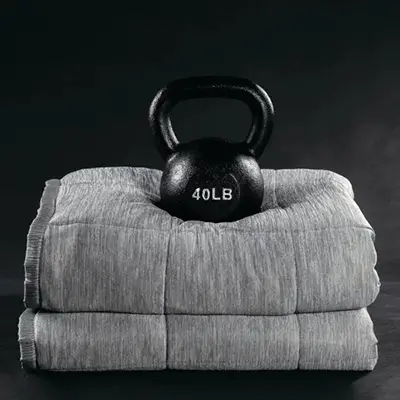
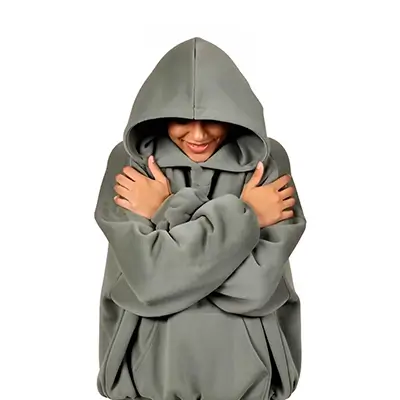
We’ve talked about weighted products before, such as blankets, hoodies, and plush toys. These are designed to simulate calming physical pressure, often described as a “hug-like” sensation. Some products further enhance the experience with added elements like scent or temperature regulation.
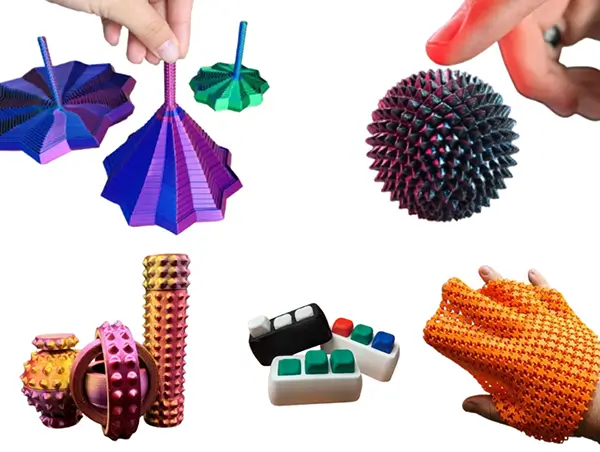
The new trend: 3D printed EDC gear
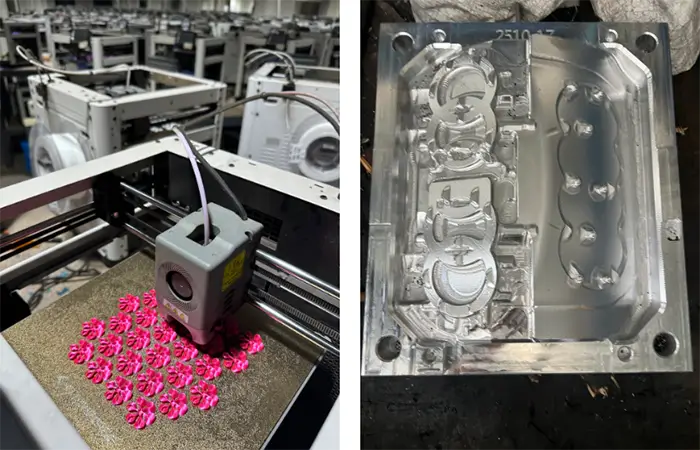
3D printing is rapidly changing how sensory products are designed and brought to market. Its biggest advantage is speed: design → print → test → sell in just days, without the need for expensive injection molds or long tooling cycles.
This has led to a rise of EDC (Everyday Carry) sensory tools, especially designs with more mechanical complexity, such as internal sliding tracks, magnetic slots, spring-loaded mechanisms, and tactile “clicky” feedback.
The “General Store” Trap
Sensory products have a low barrier to entry. With easy access to ready-made components and a high SKU variety, it is easy to fall into the trap of becoming a “general novelty store.”
Short-form content may generate early spikes in demand, but over time this often leads to weak pricing power, inventory pressure, and inconsistent margins. That’s why YWF focuses on parent-ready sensory dough kits.
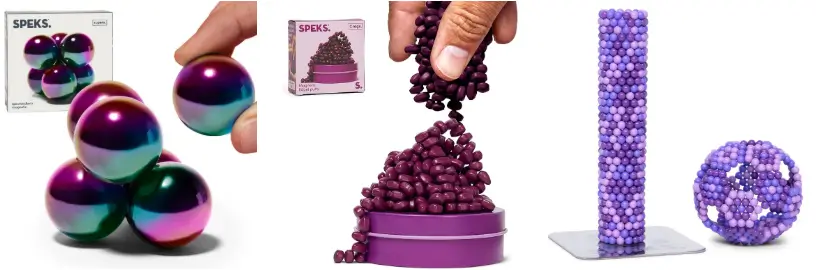
Let’s look at another direction: adult magnetic sensory systems, like those from Speks. These are positioned around adult desk use cases, which naturally avoids safety risks associated with children’s products.
Products start from classic magnetic spheres, silicone magnetic balls, tiny magnetic pebbles, and modular magnetic silicone structures. They can be combined and stacked, creating a continuously evolving desk-based interaction system.
Subscribe
Subscribe to us to see more case studies like this one, plus startup stories, product ideas, sourcing insights, and China sourcing stories.
Wholesale and Customize
Have great product ideas but not sure where to start? Or maybe you’re looking to buy products in stock, add your logo, customize packaging, or place a small order for quick testing?
Share your ideas. Get affordable, and effective sourcing solutions!