The Supply Chain Behind TikTok’s Viral 20¢ Products
The Viral “¢20 Store” on TikTok
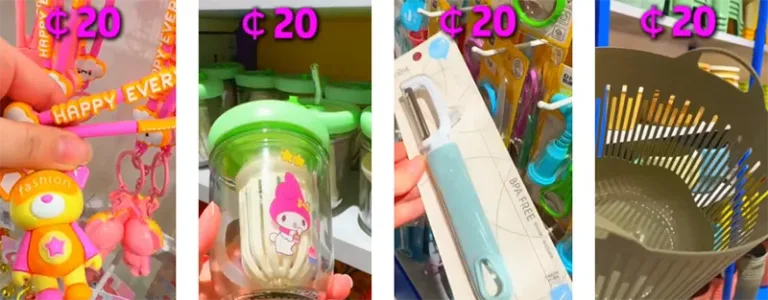
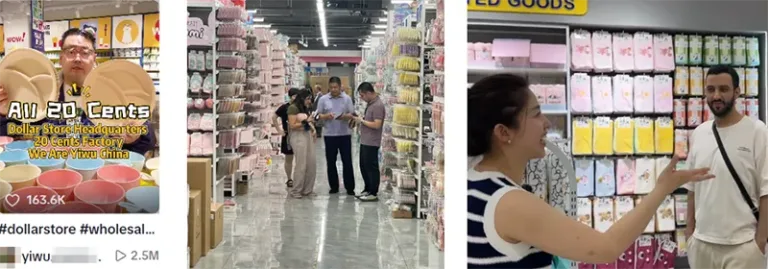
“Keyrings? 20¢. Glassware? 20¢. Household essentials? 20¢. 10,000+ products, all under 30 cents!”
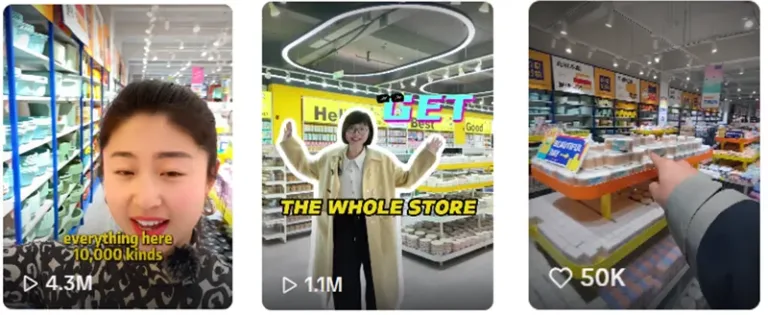
You’ve probably seen it on TikTok, Instagram, or Facebook. A massive, spotless showroom. Bright lights. Endless aisles. Whether the host is speaking English, Arabic, or Spanish, the format is always the same. These retail-friendly showrooms and ultra-low prices trigger pure impulse curiosity. In fact, many clients ask us where to source these 20-cent products.
So today, let’s take a closer look at these variety stores. Is it really that easy to source ultra-cheap products like these and build a high-margin, easy-to-run business?
Why Everything Leads Back to Yiwu
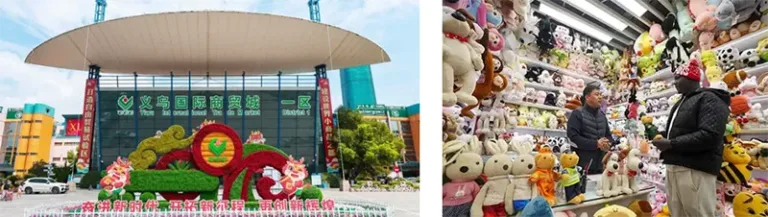
If you’ve watched those viral videos, whether filmed in warehouses, showrooms, or even loading trucks. It all leads back to one specific place: Yiwu, China. That’s also where we are based. Yiwu is home to the Yiwu International Trade City, the world’s largest small-commodity wholesale market.
There are more than 75,000 individual booths and over 2.1 million products across 20+ major categories, covering everything from daily household goods and fashion accessories to the latest consumer novelties and smart home appliances. In fact, if you spent just three minutes at each booth and walked the market for eight hours a day, it would still take you more than a year to see everything.
Because of this massive concentration, you can find almost any type of product under one roof without having to visit dozens of separate factories. The combination of product variety, supplier competition, and global demand, which create the conditions that make those low prices possible.
Factory or Trading Company? Both.
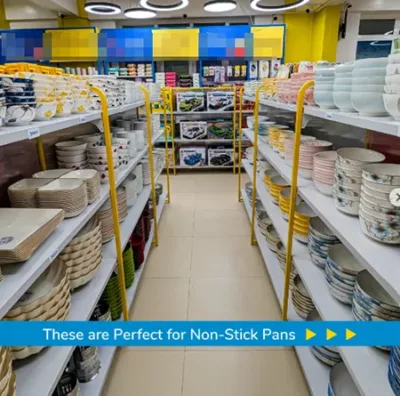
A 10,000+ product showroom that looks like a retail supermarket — that is exactly what you’ve seen in those viral videos. So what is really behind those millions of views? Factory or trading company? The answer is: both. By integrating the Yiwu supply chain with a carefully curated showroom, they offer factory-level pricing on everyday products while delivering the SKU depth and category coverage you would expect from a trading company.
Yiwu’s supply networks behind the 20-cent products
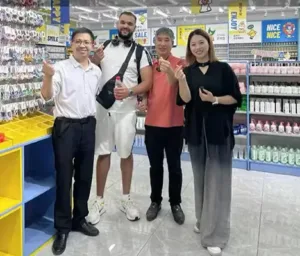
As early as nearly 20 years ago, long before social media traffic mattered, some businesses in Yiwu had already begun consciously consolidating fragmented factory resources into structured supply networks. The founders behind those widely talked-about “20-cent products” include Jiang Shunchang and his sister, who are an example of systematically organizing suppliers across multiple product categories.
Jiang Shunchang (third from the left)
Actually, this is very similar to what we do. Beyond connecting clients with Chinese factories and securing cost-effective, stable pricing, we also manage product quality before, during, and after production, coordinate logistics, and handle any follow-up issues related to manufacturing and delivery. All of this helps make the entire supply chain more efficient.
How the model snowballs through the supply network
Once this supply-backed warehouse and showroom setup was in place, it naturally attracted trading companies and sellers looking for ready-to-sell inventory. The viral social media accounts with millions of views are just one visible result. Most of them are built on this same supply network. Jiang’s team helps them set up showrooms and supply products.
In practice, the process is simple. Eye-catching videos attract leads, the team filters for buyers who can move fast, and then clients either join a video call to select products from the showroom or come to Yiwu in person to walk the aisles and place orders.
Can You Actually Profit from This Model?
These viral companies, providing “20-cent items” and turnkey “store-in-a-box” solutions, mainly serve experienced buyers who have their own freight forwarders to handle shipping and customs, though local logistics providers in Yiwu are readily available for those without.
It definitely hits the sweet spot for low-cost, everyday items that sell in high volumes and don’t require customization. This makes it ideal for countries or regions where light industrial production is limited, inflation is high, shipping lines are short or supported by mature overseas warehouses. This makes it ideal for markets such as Angola, Mexico, and Dubai.
This turnkey “store-in-a-box” model solves multiple challenges for retailers looking to start or expand their stores, effectively outsourcing the supply chain.
Subscribe
Subscribe to us to see more insights like this one, plus startup stories, product ideas, China sourcing stories, case studies, and practical tips.
Wholesale and Customize
Have great product ideas but not sure where to start? Or maybe you’re looking to buy products in stock, add your logo, customize packaging, or place a small order for quick testing?
Share your ideas. Get affordable, and effective sourcing solutions!