$1.3M TikTok Pillow: Behind the DTC Bedding Supply Chain
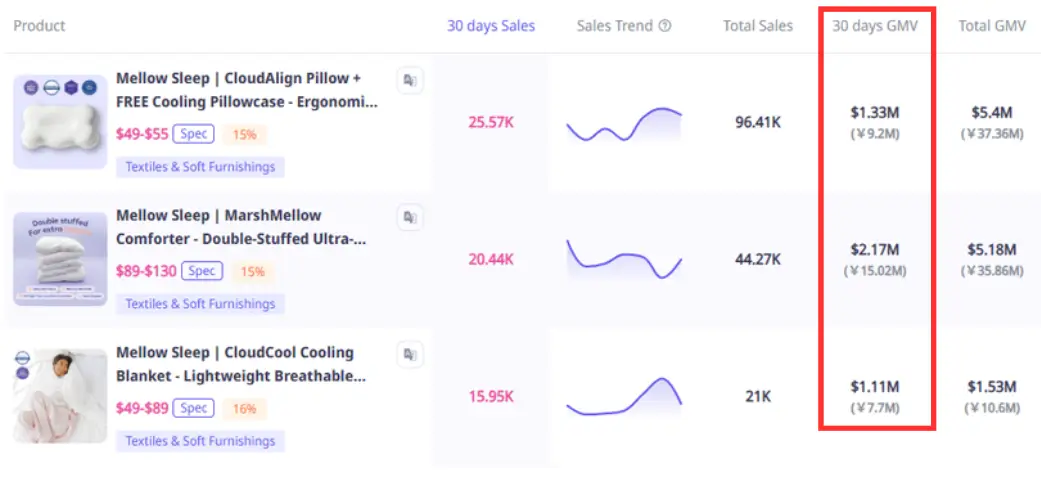
One Pillow Hit $1.3M in 30 Days
Last week, a client sent us a link to a pillow that sold $1.3 million in just 30 days. They asked us for a quote, curious if they could make it themselves.
Digging into the brand behind it, we found Mellow Sleep. Launched just late 2025, their product line is still very simple, offering only pillows and comforters. Yet on TikTok Shop alone, three SKUs hit $1M+ GMV each on TikTok Shop alone.
Selling traditional bedding at the speed of fast-moving consumer goods speed is pretty insane. So today, we’ll break down from a supply chain view: how hard are these really to make? Why’d they “suddenly” explode? And can you cash in too?
Products, Market & Competitors
Traditional bedding has a major problem: many products aren’t designed around real sleep scenarios. These new DTC brands generally rethink bedding from 3 dimensions:
Materials: filling + fabric
Temperature Regulation: cooling / breathable
Ergonomic Design: support for different sleep positions
Only two product types truly sell
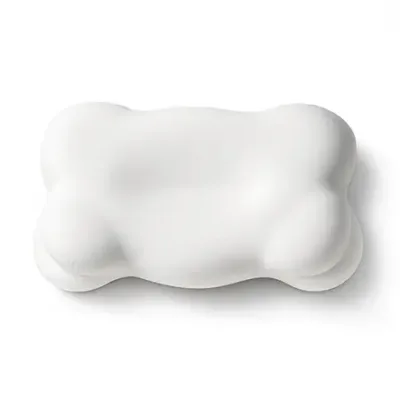
Looking at the Mellow Sleep product line, the true best-sellers fall into two categories: memory foam “cloud” pillows and temperature-controlling comforters. Memory foam has been widely used for years, but the cloud shape makes the pillow a hit by addressing uncomfortable sleep positions. The side of the pillow also features a curved space to rest the arms, adding extra ergonomic support.
The product line is structured clearly: they have core hero products like the cloud pillow and temperature-controlled comforter, plus market-validated items like cooling blankets and low-priced hotel pillows for traffic/intro offers.
Almost every product targets a specific sleep problem: cervical support (zoned firmness pillows), night sweating (cooling bedding), adjustable fill, etc. Product descriptions highlight these real sleep pain points.
Are these products truly new?
Not really. Brands like Buffy, Slumber Cloud, and Rest Evercool have already sold cooling, fluffy comforters and memory foam pillows successfully. So Mellow Sleep’s strength is recombining proven features and leveraging supply chain to deliver them efficiently.
The first optimization is material selection. Many functional bedding products rely on fabric and filling. Common cooling or temperature-control options include bamboo viscose, polyester cooling fibers, and nylon cooling fabrics, which are breathable and technically innovative.
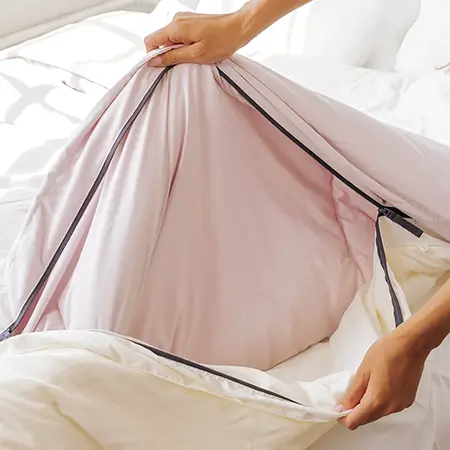
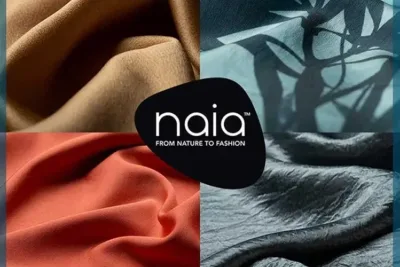
Mellow Sleep’s key fabric is Naia™ fiber from Eastman Chemical Company: an acetate fiber made from wood pulp, breathable, moisture-wicking, soft, and enhancing both loft and temperature regulation. Its cost is roughly 1.5–2× that of polyester, so many brands use strategic material combinations to increase perceived product value.
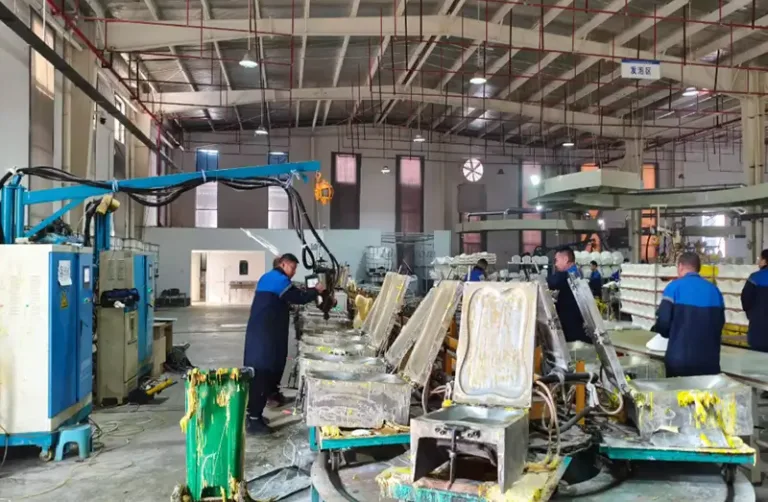
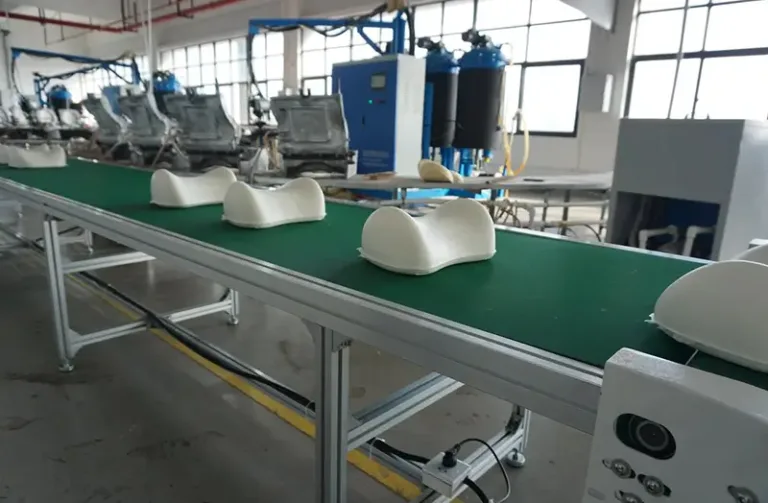
For pillows, memory foam is still the most versatile material. We’ve sourced similar products for clients before. Supply chains are simple: basic shapes can be machine-cut, while more complex shapes are produced using foam molding. Pillow shapes are defined by the mold design.
For example, the Mellow cloud pillow’s arm space is a minor ergonomic tweak to a traditional cervical pillow, yet creates high perceived value.
Is Selling Bedding Online a Profitable Business?
Let’s look at the numbers. According to Grand View Research, global online bedding sales accounted for roughly 35% in 2024, with the U.S. market at 24.8%, and online channels are growing at nearly 9.5% annually. Bedding, historically reliant on department stores and home furnishing retailers, is gradually shifting online.
It comes down to three things: purchase barriers have been greatly reduced (thanks to sleep trial services), logistics is simpler (vacuum-compressed packaging), and lower costs through scaled production.
Basic memory foam or fiber-filled pillows can be produced at low cost, while CNC cutting handles standard shapes. More complex designs, like Mellow Sleep’s cloud-style pillows, use foam molding, with bulk production costs typically under $20.
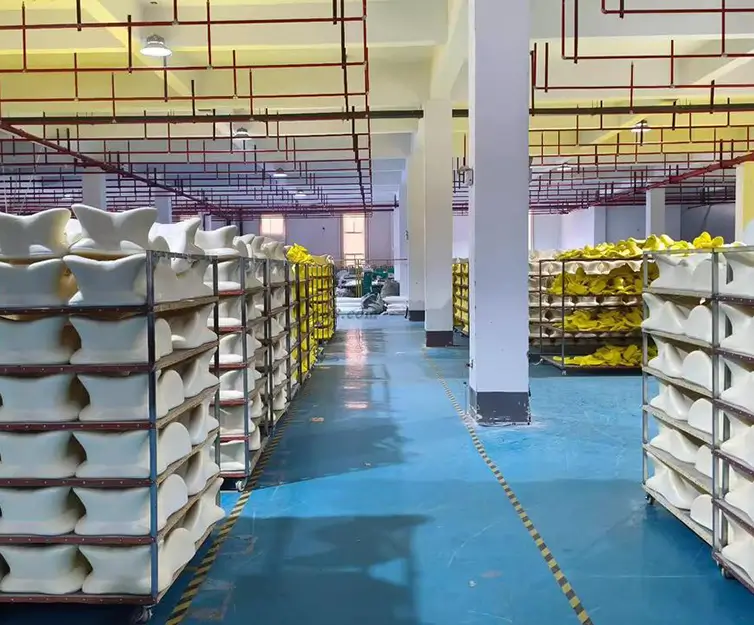
This allows a wide range of shapes: horn-shaped pillows, butterfly pillows, wedge pillows, or side-sleep pillows that don’t compress the arm, addressing sleep issues like snoring, acid reflux sleep, or cervical support.
Where to Find Bedding Supply Chain?
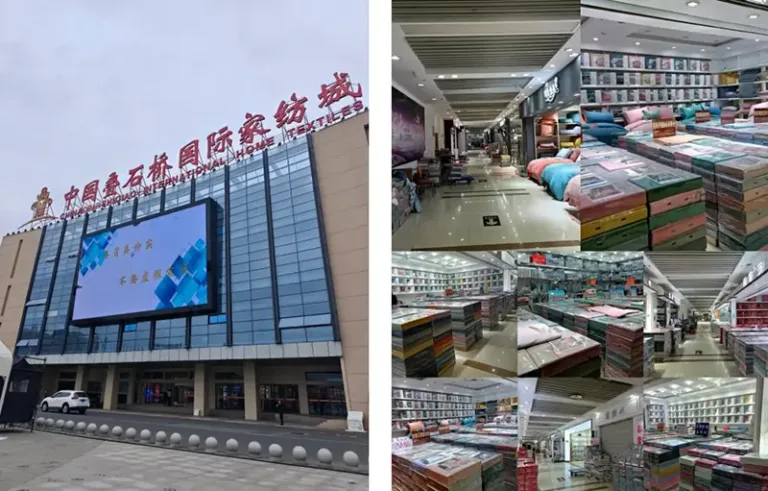
China’s mature bedding supply clusters are highly concentrated, with two main regions: Nantong in Jiangsu Province and Shaoxing in Zhejiang Province.
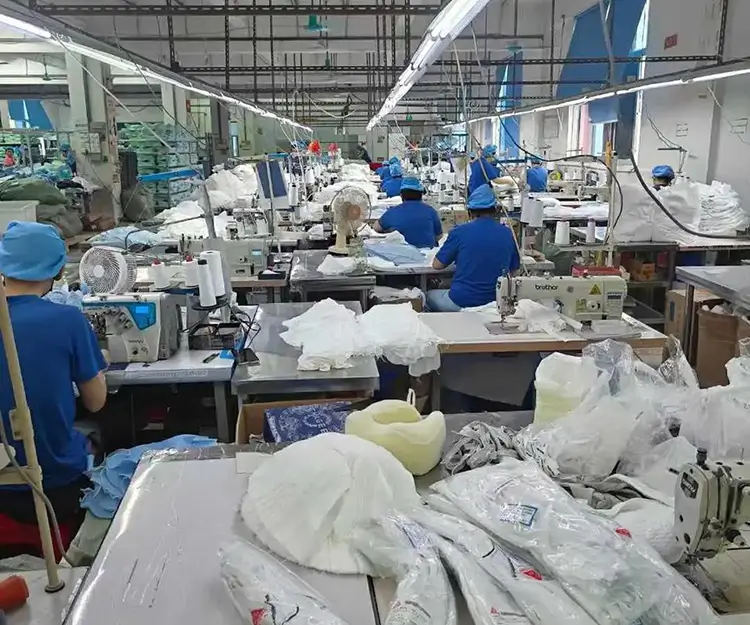
Nantong is arguably one of the largest home textile production clusters in the world. Its supply chain is extremely complete: raw fibers, spinning, weaving, dyeing, filling, sewing, and packaging can all be done within a few dozen kilometers. The area produces almost all types of bedding: comforters, pillows, sheets, and pillow inserts.
The regional structure generally works like this: Shaoxing → fabrics → Nantong → finished products.
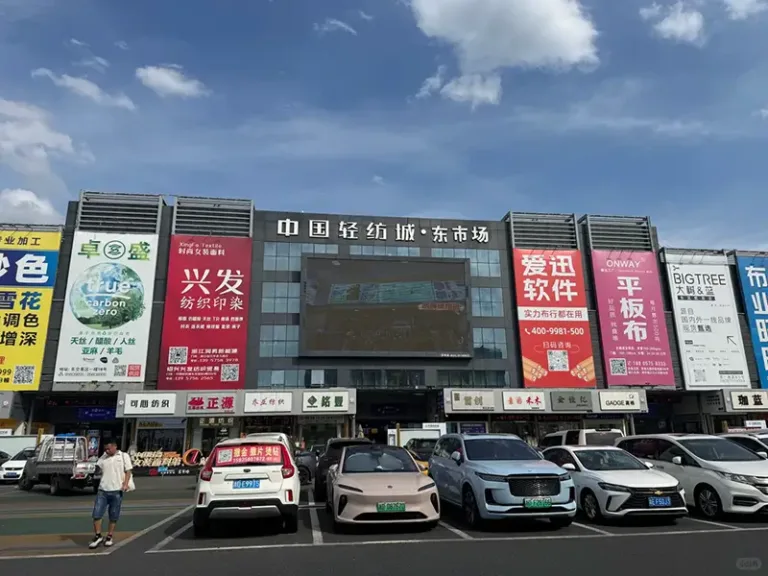
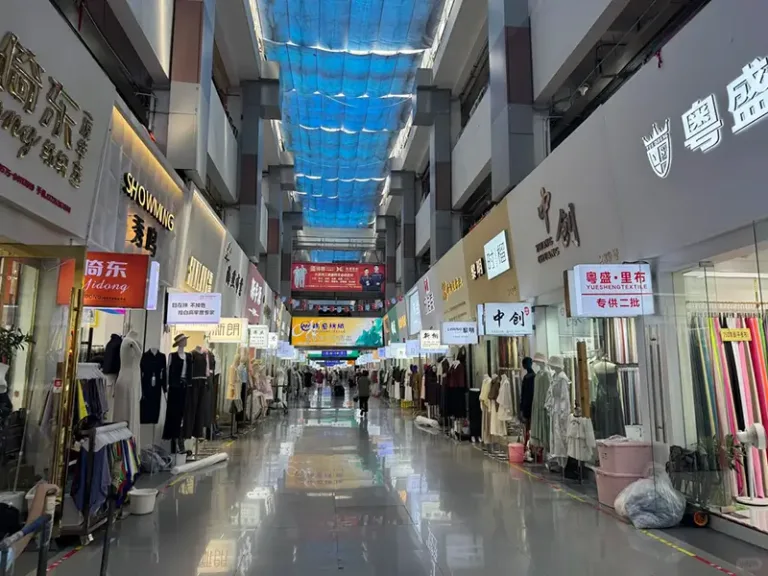
Shaoxing in Zhejiang is one of China’s most important wholesale fabric hubs. Many fabrics used in bedding, including polyester, Tencel, and functional materials, are sourced from the wholesale markets here and then shipped to Nantong for filling and assembly. This regional division of labor makes the bedding supply chain highly efficient.
Can Anyone Start?
Looking just at the supply chain, bedding isn’t a high-barrier category. The materials, structure, and production processes are mature, and development cycles are relatively short. The real differentiator comes down to product details and experience, like fill weight, fiber type, stitching patterns, and supply chain consistency.
Bedding is a repeat-purchase category and highly review-sensitive, so issues like shedding, clumping, sagging, or odors get amplified in customer feedback. Many brands end up competing on supply chain reliability.
Mellow Sleep is actually a sleep-focused sub-brand spun off from Mellow Home, concentrating on pillows and comforters. They already have a product development team and a stable supply chain, which lets them launch new products faster without starting from scratch.
Subscribe
Subscribe to us to see more case studies like this one, plus startup stories, China sourcing stories, product ideas, insights, , and practical tips.
Wholesale and Customize
Have great product ideas but not sure where to start? Or maybe you’re looking to buy products in stock, add your logo, customize packaging, or place a small order for quick testing?
Share your ideas. Get affordable, and effective sourcing solutions!


Leave A Comment