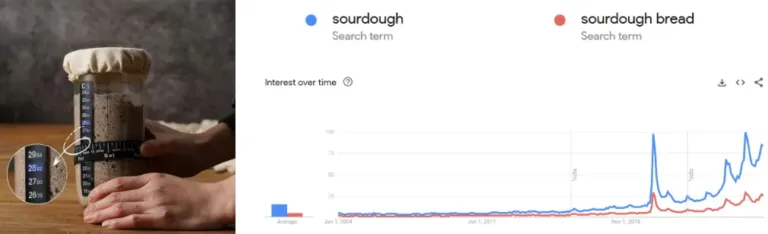
Last month, a client from France reached out to customize a glass jar with a temperature-changing sticker, along with a few baking tools. It sounded simple at first, but once we got into the details, we realized everything couldn’t be sourced from a single factory, the jar also needed a fabric cover, a wrap-around band, and several small accessories.
It turned out this was part of a sourdough bread baking kit, where tracking time, temperature, and humidity really matters. What’s more interesting is that the demand isn’t short-lived, with sourdough baking continuing to gain traction across social media and Google search trends.
Product images are for reference only.
Why This Demand Keeps Growing & Fueling a Whole Product Line
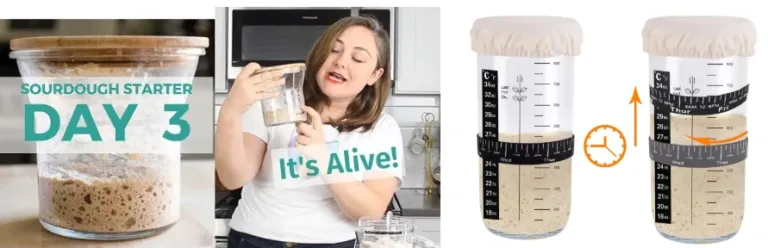
So why has sourdough gained so much attention and even grown into a full product ecosystem? When we looked deeper, it became clear that sourdough took off during the pandemic, riding the wave of home baking. The process feels a bit like raising a pet: you start from scratch with just flour and water, and slowly build your own starter. Along the way, bakers constantly watch how temperature and humidity affect fermentation and rise.
That’s why a simple glass jar evolves into something more—temperature-changing labels, time markers, breathable lids, and other add-ons all exist for one reason: to make the process more controllable and avoid failed batches.
What’s even more interesting is that the surge that started during the pandemic didn’t fade once lockdowns ended. Instead, it kept spreading and turned into long-term demand, driving more and more related products, like lifting mats for removing freshly baked loaves, or heat shields that prevent the crust from browning too fast.
A big part of the audience comes from health-focused consumers. People who care about natural eating, gut health, blood sugar control, or fitting bread into a fitness-friendly diet often choose sourdough. Thanks to its natural organic acids and beneficial bacteria, it’s easier to digest, less processed, and doesn’t spike blood sugar as quickly.
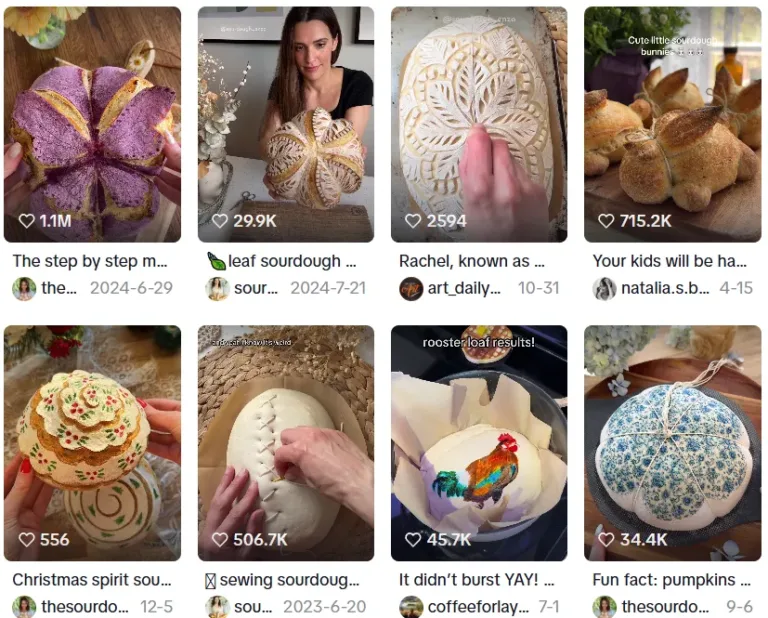
Another major driver is the high-engagement home baking crowd. Sourdough isn’t a one-time bake, it’s an ongoing process people can keep improving. That strong sense of participation has fueled a very active sharing culture on social platforms: experimenting with different blades and handles for scoring patterns, showing crumb structure, even decorating loaves with edible designs or stencils. Over time, sourdough has grown from just food into a creative, community-driven activity.
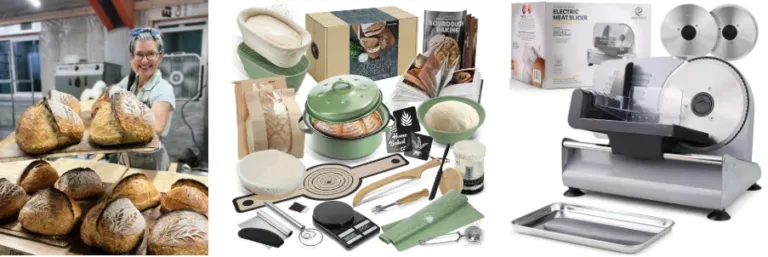
This sustained demand is also lowering the barrier to entry, giving rise to more small baking businesses. Compared to traditional baking, sourdough doesn’t require expensive tools or ingredients, but it does demand experience and consistency. Once bakers get the rhythm right, many start scaling from home baking to small-batch sales. That’s when they need more fermentation boxes, larger mats, and proper storage solutions to keep output consistent.
According to research from Mintel and Innova Market Insights, sourdough remains a strong post-pandemic baking trend. Consumer interest in health, authenticity, traditional local craft, and the idea of “slow making” continues to give it a competitive edge. More importantly, sourdough isn’t limited to bread. The same approach easily extends to pizza, bagels, toast, and even muffins and consumers respond just as positively. That means demand for both products and tools goes well beyond sourdough bread itself.
Where to Find Specialized Sourdough Tool Suppliers
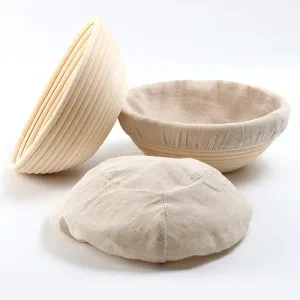
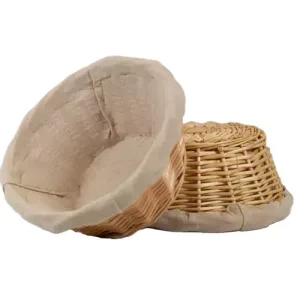
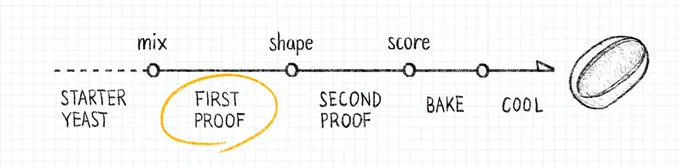
As the sourdough baking market continues to grow, consumer expectations are becoming more detailed, especially at the final stage before baking: fermentation and shaping. This is where tools start to clearly diverge. Beyond traditional wicker proofing baskets, the market now includes options made from molded pulp, rattan, and other materials.
In real use, key factors like breathability, structural support, surface pattern, and shape stability during fermentation matter most. Together, the most popular option today remains proofing baskets made from naturally woven wooden strips.
Molded Pulp
Coiled Wood Strip
Rattan Weaving
While look simple, they’re actually made by hand-wrapping natural wooden strips around a mold. The size may be small, but consistency matters a lot. Tension, curvature, and edge finishing all need to be tightly controlled, which is why small woven items like these still rely heavily on manual work.
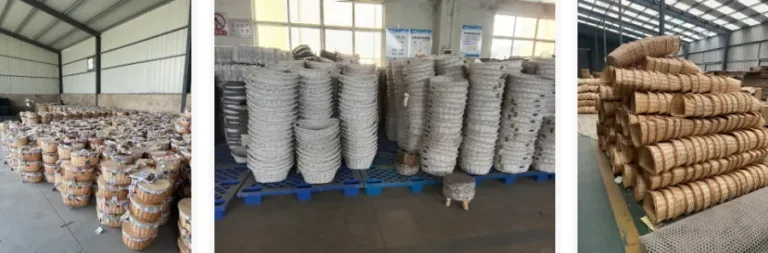
The natural willow cultivation, processing, and woven-products industry is mostly based in China. The core production clusters are located in Linyi, Shandong, and Bobai, Guangxi. Linyi brings over 40 years of ODM experience in small woven daily-use items, while Bobai specializes in rattan products, especially mold-wrapped weaving and load-bearing 3D structures. Their ability to scale reliably is built on a few long-term strengths:
Deep experience in processing natural materials like willow and rattan, ensuring stable raw material quality
Strong craftsmanship in non-flat, mold-based weaving techniques
The ability to deliver consistent batches at scale, while keeping the work largely handmade
Interestingly, China has its own long history of staple foods made from fermented dough. Because of that, tools for handling and fermenting dough aren’t new to the supply chain. So sourdough proofing baskets don’t require a “learning curve.” The know-how around materials, molds, and batch consistency has already been proven in everyday products and naturally carries over to sourdough use.
What Smart Sellers Already Have in Production
Making sourdough involves many steps, from building and feeding the starter, checking its activity, to fermentation, shaping, and final control before baking. Each stage comes with its own variables. Because the process is so complex, sellers keep finding ways to optimize key steps, which is exactly what drives new product ideas and variations.
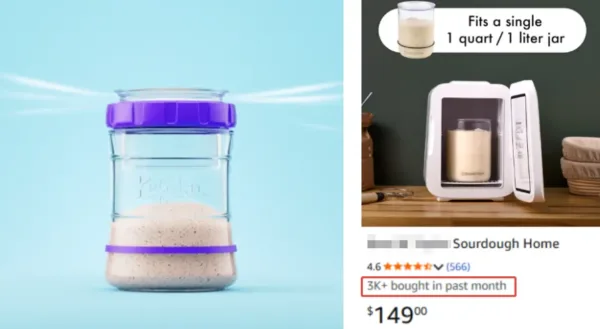
Looking at how products are evolving, the direction is pretty clear: make the process easier and make the results more predictable. One group of products focuses on starter care. Starter jars are designed to improve airflow, make measuring easier, and simplify cleaning. This helps beginners follow the fermentation rhythm without getting overwhelmed. Another group focuses on controlling the environment. You can think of it as a mini heated fridge, but built specifically for fermentation warming.
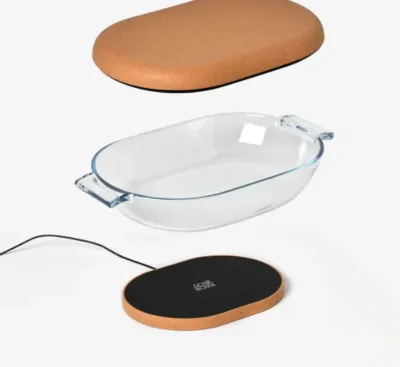
Others use a separate warming mat that gently heats the jar from the bottom, paired with a cork lid to retain warmth. It combines several functions: warming, fermenting, and basic prep, connecting multiple steps with fewer tools and less guesswork.
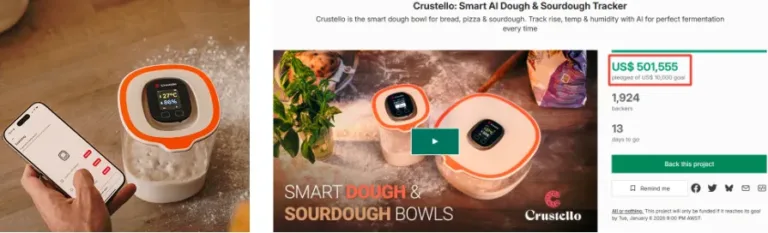
We also spotted a smart fermentation container now in pre-sale on Kickstarter. It uses sensors in the lid and an app to track temperature, humidity, and dough growth, turning guesswork into visual curves analyzed by AI, with notifications to follow along. The project has already pulled in around $500K in pre-orders, with pricing in the $100–200 range, showing clear demand for higher-end fermentation tools.
If you break these products down, they’re really a mix of everyday containers, heat sources, sensors, structural parts, and design. Even simple, non-tech proofing baskets are often paired with fabric covers or liners to improve airflow, prevent sticking, or keep the dough stable.
Sourdough baking is highly sensitive. Seen this way, the sourdough product market is still evolving. Core tools are already well established, but new combinations and design ideas keep appearing, pushing demand for better, more practical tools that make the process easier to control and help beginners get better results.
Subscribe
Subscribe to us to see more product ideas like this one, plus startup stories, case studies, China sourcing stories, insights, and practical tips.
Wholesale and Customize
Have great product ideas but not sure where to start? Or maybe you’re looking to buy products in stock, add your logo, customize packaging, or place a small order for quick testing?
Share your ideas. Get affordable, and effective sourcing solutions!