The world’s biggest lab-grown diamond production hub is located in a small county in central China.
Last month, one of our clients came to China to visit suppliers. He also had a personal request: he wanted to find a lab-grown diamond piece for his wife.
So we took him to explore China’s lab-grown diamond supply chain, from the factories growing diamonds to the jewelry suppliers turning them into finished pieces.
The Hidden Diamond Hub in Rural China
The lab-grown diamond industry has grown rapidly over the past few years. According to the Gemological Institute of America (GIA), China has become the world’s largest producer of lab-grown diamonds, accounting for a significant share of global supply.
A large part of China’s production comes from Zhecheng, a county in Henan, an inland province in central China. Official local data shows that Zhecheng produces more than 10 million carats of lab-grown gem diamonds annually, making it one of China’s largest lab-grown diamond production areas.
Diamond-growing technology was originally developed for industrial applications such as cutting tools, abrasives, and precision manufacturing. Over the past decade, Zhecheng now has developed a complete lab-grown diamond supply chain, covering equipment, raw materials, diamond growth, rough stones, cutting, polishing, and jewelry manufacturing.
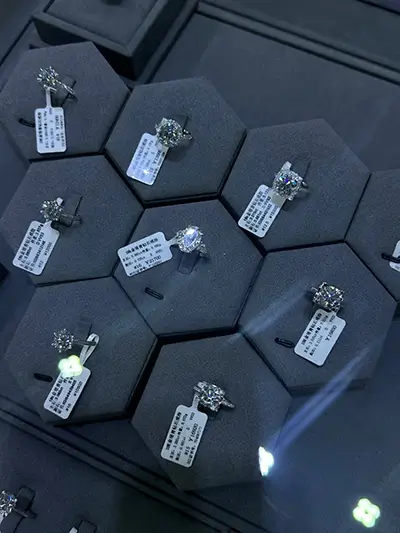
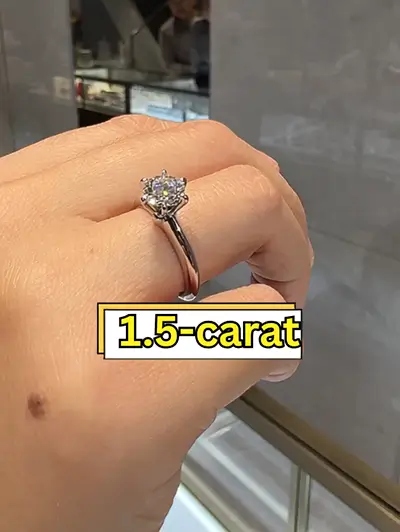
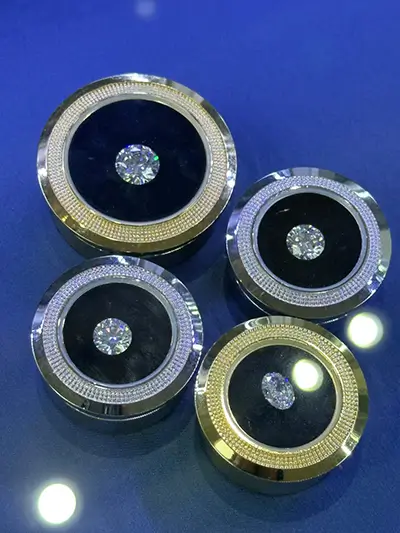
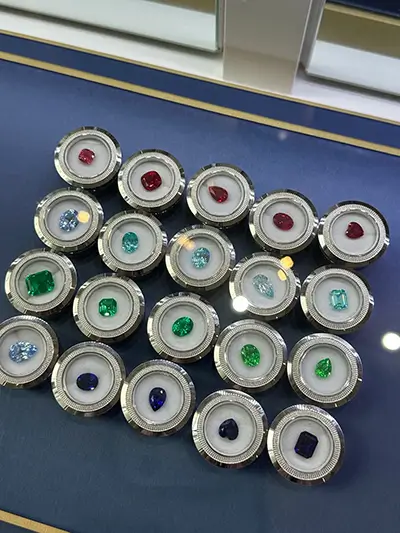
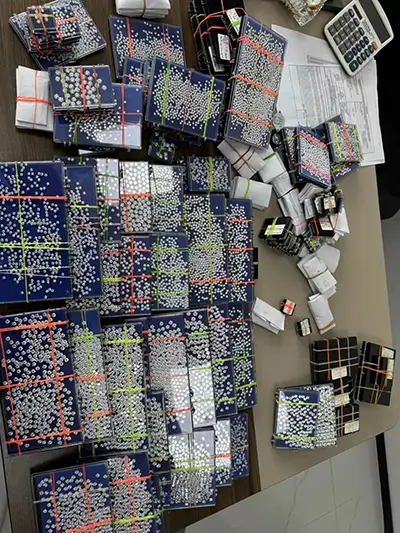
During our visit, we saw lab-grown diamonds in different sizes, colors, and grades, with prices varying mainly by their specifications. High-quality stones can cost around $300 to $500 per carat. The 1.5-carat F-color diamond Karen was holding cost $800.
Why Are Chinese Lab Diamonds So Affordable?
Natural diamonds are associated with rarity. Their value comes from their natural origin, the story behind them, and the emotional value created by the luxury industry.
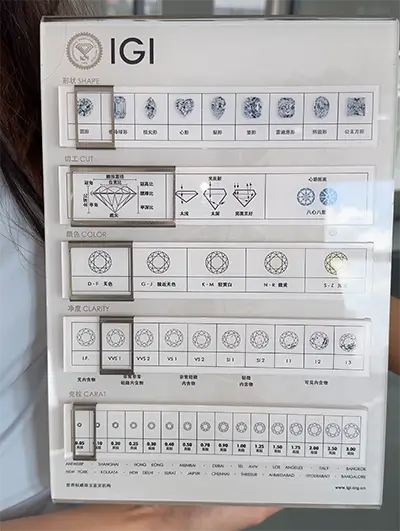
Lab-grown diamonds follow a different approach. They are created in factories using advanced technology. From a material perspective, they have the same chemical composition and crystal structure as natural diamonds, and they are graded using the same 4Cs standard: color, clarity, cut, and carat.
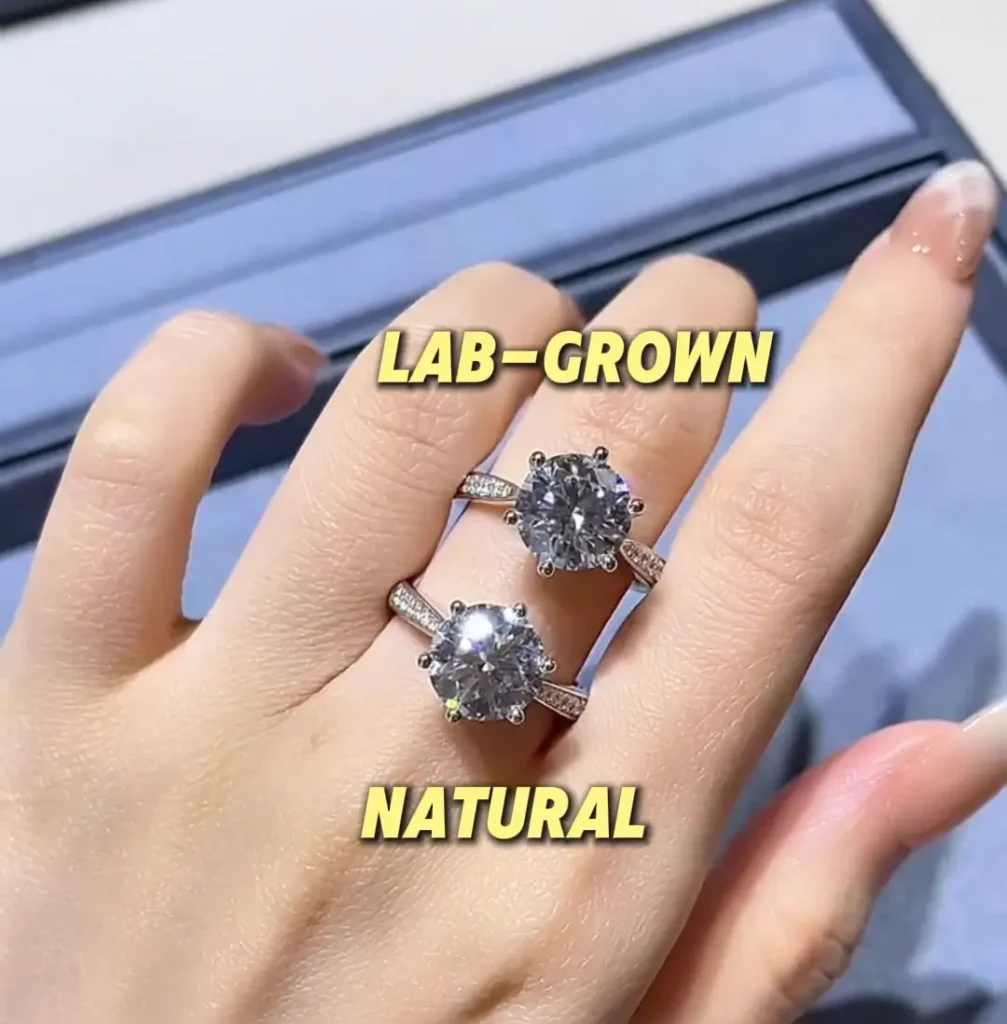
A simple way to understand the difference is this: natural diamonds are like ice formed in nature, while lab-grown diamonds are like ice made in a freezer. The material is the same, but the way it is created is different.
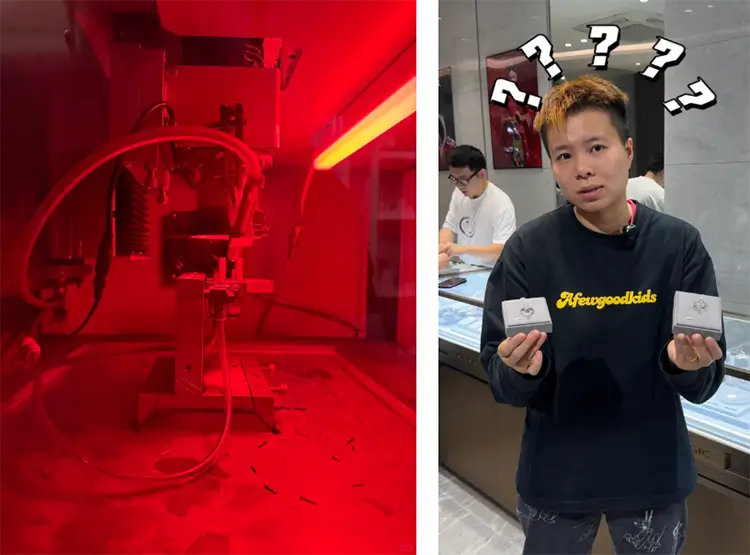
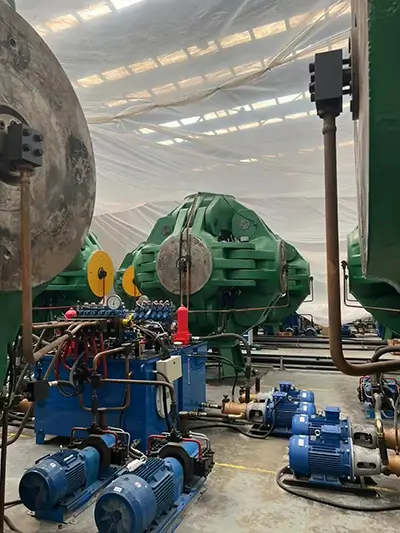
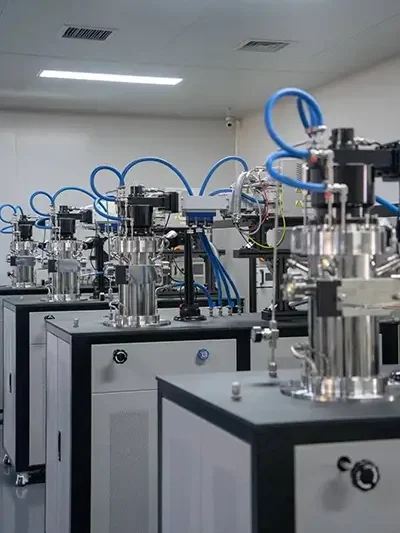
The idea behind HPHT is simple. Factories use large industrial presses to recreate the extreme environment needed for diamond growth. High-purity graphite, metal catalysts, and diamond seeds are placed inside a six-sided press, where high pressure and high temperature transform carbon into diamond crystals.
At one of the factories we visited, hundreds of machines were running across the production floor, with monthly capacity reaching around 20,000 carats. The factory mainly supplies overseas jewelry designers and retailers.
From Rough Stones to Finished Jewelry: China’s Lab-Grown Diamond Supply Chain
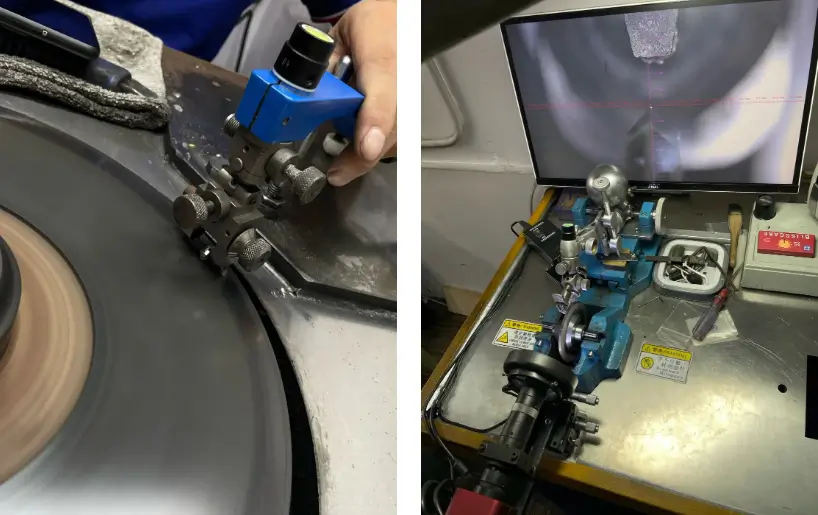
Before reaching a jewelry store, a lab-grown diamond still needs to go through cutting, polishing, grading, setting, quality inspection, and jewelry production.
After production, rough stones are processed through major centers such as Zhengzhou, Guangzhou, and Shenzhen for cutting, polishing, and jewelry manufacturing. India is also an important center for diamond cutting and polishing.
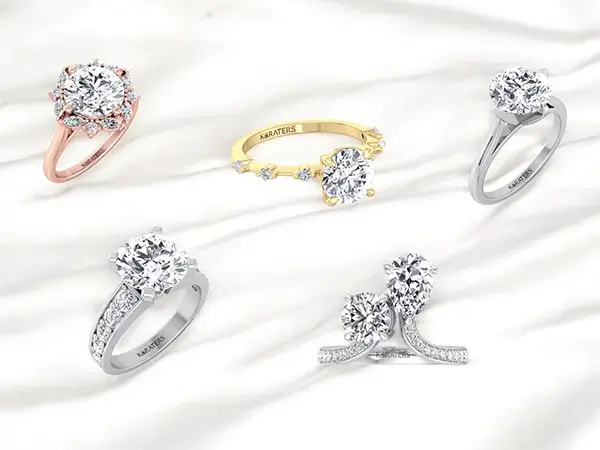
For buyers looking for finished jewelry or custom designs, Shenzhen’s Shuibei is a key destination. It is one of China’s largest jewelry wholesale hubs. The area brings together thousands of jewelry suppliers, manufacturers, and wholesalers, supporting everything from loose stones to finished jewelry pieces.
Natural vs. Lab-Grown: Two Markets, One Industry
Natural diamonds will always have their own market. They represent more than just a gemstone. They carry the value of natural formation, history, and emotional meaning.
Meanwhile, the growing lab-grown diamond market offers brands more design freedom, more predictable pricing, and a supply chain that makes custom designs easier to produce at scale.
Some consumers are also rethinking the traditional diamond buying model, choosing lab-grown diamonds for larger sizes, flexible designs, and more accessible prices.
As the market continues to grow, certification and disclosure standards are making the supply chain more transparent. In many markets, regulations require sellers to clearly state if a diamond is lab-grown, if it had any post-growth treatments, and what its grading report actually covers.
In the U.S., for example, the FTC’s Jewelry Guides strictly require sellers to tell buyers when a diamond is laboratory-grown rather than mined.
Traditionally, a diamond’s story started with a mine. Today, it can also start with a diamond-growing machine in Henan, a CAD drawing from Shenzhen, and a supply chain connecting experienced manufacturers with global jewelry brands.
Subscribe
Subscribe to us to see more China sourcing stories like this one, plus startup stories, product ideas, insights, case studies, and practical tips.
Wholesale and Customize
Have great product ideas but not sure where to start? Or maybe you’re looking to buy products in stock, add your logo, customize packaging, or place a small order for quick testing?
Share your ideas. Get affordable, and effective sourcing solutions!