Today we’re looking at a product that solves the “bed temperature war.” You could even say it helped carve out a whole new category, sleep climate control. It’s a fan that blows air directly into bed, making it warmer or cooler. In its first year, it did over $1M in sales.
Honestly, it’s amazing to see how supply chain, marketing, and the right market timing all came together. By the end, we’ll also list similar products with the same core function that are now selling well.
Idea Born from Midnight Bedroom Wars
The product started from a very real problem that often happens between married couples. When they were trying to sleep at night, Mark was always too hot in bed, while his wife felt way too cold. So they ended up with one bed that had to serve two totally different comfort levels.
In most U.S. households, the temperature is centrally controlled for the whole house, which means running the AC or heater all night gets expensive fast. And none of the existing solutions solved the problem of zoned temperature control.
Spotting Market Gap & Prototyping at the Kitchen Table
Electric blankets only add heat and usually feel uneven. There were also water-circulating mattresses with temperature control, but they were expensive, complicated to use, and not widely adopted. Trying to use multiple devices often leads to messy wires everywhere and an annoying experience.
So Mark had a simple but powerful idea: what if you could control the air inside the bed itself?
With his engineering background, he spent weekends and late nights building rough DIY prototypes on the kitchen table. When he let friends and family test them, the reaction was instant. Everyone wanted one. Night sweats, in particular, turned out to be a major use case in the U.S.
That’s when it hit him: this could actually become a real product more than a personal fix.
Not New Technology, Just a New Use Case
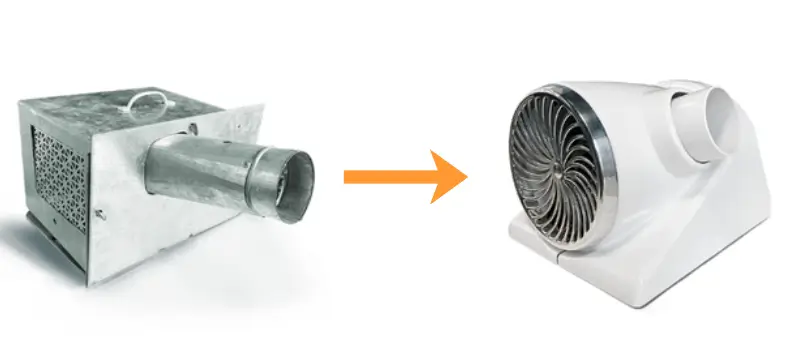
Actually, the idea of a “bed fan” isn’t technically complex. The core function is very similar to the car heater — controlling airflow speed and temperature. But with one key difference: redirecting that airflow into a completely new use case, the bed.
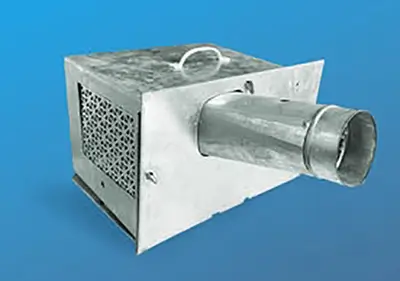
car heater
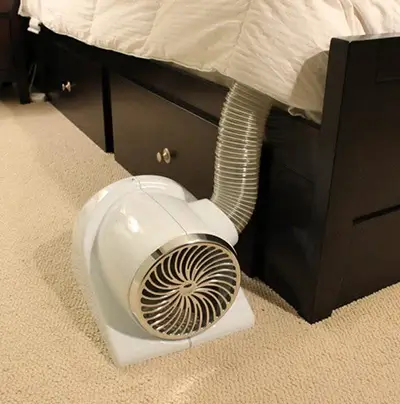
The initial version of BEDJET
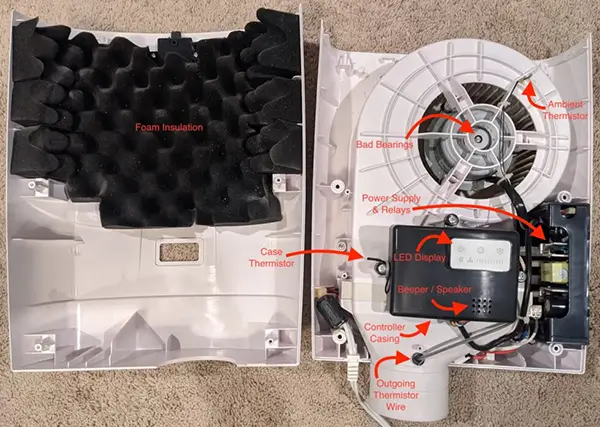
What makes it challenging is tailoring the existing technology to a sensitive, close-to-body sleep environment. To make this work as a real product, several constraints had to be solved:
Noise control: quietly enough for sleep, typically under ~40 dB, comparable to a AC vent
Safety: cannot overheat or pose any risk during overnight use
Airflow design: ensuring air circulates and diffuses evenly between the sheets
Control system: remote, app control, timers, and sleep curves (gradual cooling/heating) all improve usability and overall experience
Together, these components form the product’s core system: airflow system + smart controls + bedding integration.
How to Market a High-Ticket Product Like Bedjet
Just like lower-priced products, high-ticket products still need market validation, exposure, and consumer trust. For a product that creates an entirely new category, it’s especially important to establish initial awareness and credibility, while also building value and a complete trust chain. Here’s how BedJet did it.
Leverage crowdfunds to secure B2B deals
BedJet first validated the market via Kickstarter, raising $58,551, exceeding its goal by 54%. Customers who actually pledged money provided invaluable feedback, helping Mark refine the product before approaching potential business partners. Crowdfunding also highlighted the unmet market potential, showing that early adopters were willing to pay for a high-quality solution.
With the refined prototype, Mark attended industry trade shows and pitched to mattress companies for collaboration. Several companies requested samples, and he even received a large order from an Australian mattress manufacturer.
Gain first exposure fast
After generating interest from trade shows, Mark took BedJet to Shark Tank for maximum exposure. The investors thought the product was strange, niche, and overpriced at $499, so they declined.
Yet the episode created a first wave of awareness. Viewers were intrigued by the concept, and traffic to the website spiked to 90K visits overnight. Shortly after, Mattress Firm and other retailers reached out to establish online sales channels.
While it may have seemed like a pre-planned exposure, the timing and impact were what made it truly effective.
Build value to drive organic sales
High-ticket products require a value-first approach. BedJet’s website didn’t push immediate purchases. Instead, it educated potential buyers through several steps:
Self-assessment: Which type of sleeper are you? Issues like night sweats, temperature conflicts, and personal comfort preferences.
Authority backing: Recommendations from athletes, doctors, and the founder’s engineering background provided credibility.
Real user video reviews: Highlighting personal experiences.
They also targeted specific user groups:
Menopausal women (25% of business) dealing with night sweats
Athletes with rapid metabolism
Couples with different temperature preferences
Patients undergoing chemotherapy or with multiple sclerosis, facing thermoregulation challenges
Combined with authentic UGC (user-generated content) reviews on social media, this built strong social proof, reduced perceived risk, and justified the high price point.
Current Best‑Selling Products in the Market
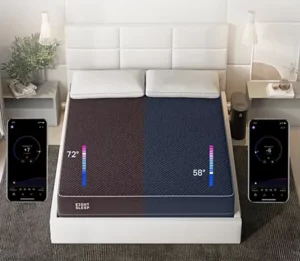
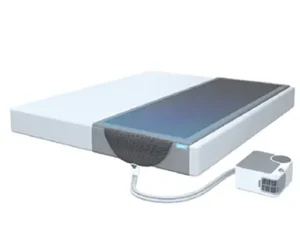
Today, the go-to sleep tech for temperature control is led by Eight Sleep, Sleepme, and BedJet. Eight Sleep and Sleepme offer zoned temperature‑controlled mattress covers, typically selling for $2,000+, nearly 2–3× the price of a BedJet.
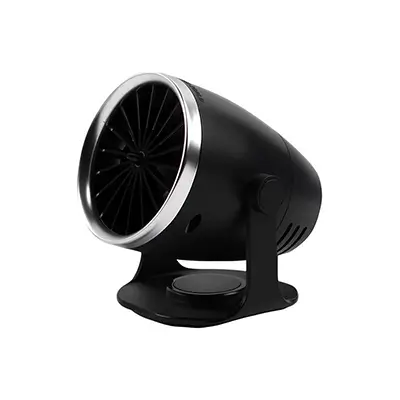
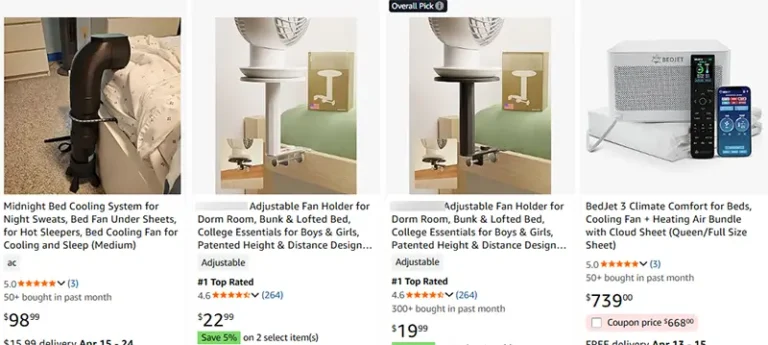
We’ve also seen cheaper alternatives trending on social media, but these only offer a cooling fan function, though they sell well. On Amazon, there are bedside fan sets, standard fans with mounts to blow air into the bed area, usually priced around $20–$49. Products closer to BedJet’s concept but still cooling-only generally sell for $100–$200.
Subscribe
Subscribe to us to see more case studies like this one, plus startup stories, product ideas, sourcing insights, and China sourcing stories.
Wholesale and Customize
Have great product ideas but not sure where to start? Or maybe you’re looking to buy products in stock, add your logo, customize packaging, or place a small order for quick testing?
Share your ideas. Get affordable, and effective sourcing solutions!