3D Printing vs. Injection Molding: Cost & When to Switch
Last week, we shared the story of an 18-year-old high school student who started a business making 3D-printed drink sleeves. Today’s story is about Noam, who also started with 3D printing. He developed TMJ Pen for less than $3,000 and eventually grew his business to around $50K in monthly sales.
Noam, however, eventually switched to injection molding with a factory in China, only to run into a series of unexpected problems, from repeated mold modifications and cracked housings to delayed components.
Drawing on his experience and quotes from Chinese factories, we’ll look at when it’s worth investing in a mold, as well as the cost, quality, and delivery challenges that can come with switching from 3D printing to injection molding.
Why Noam switched to injection molding
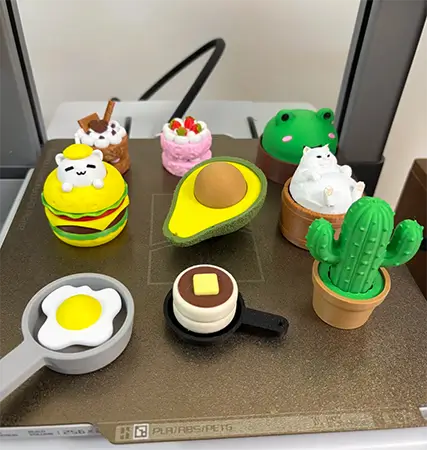
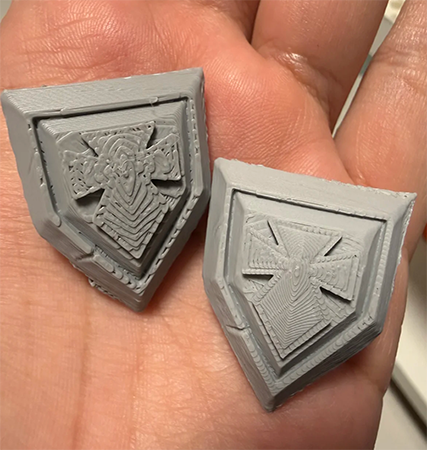
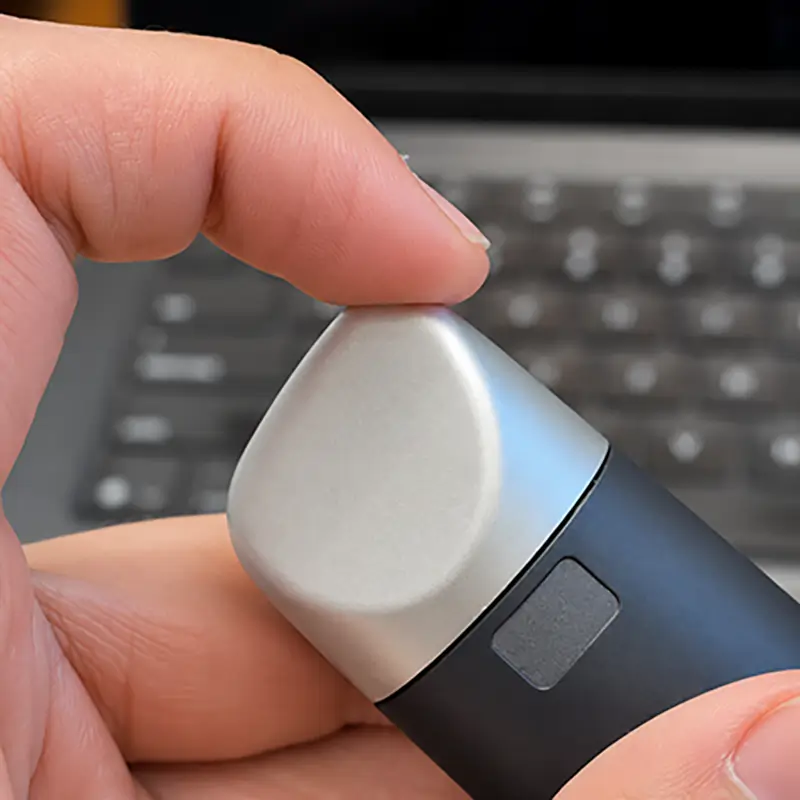
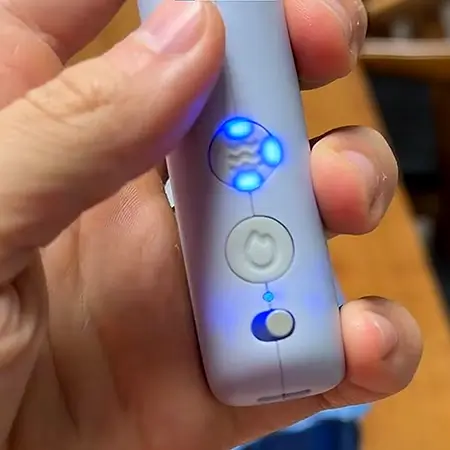
Not every product needs to move beyond 3D printing. A drink sleeve sells on creativity and function, so visible print lines may not matter much. Many toys, models, and custom parts can also stay 3D-printed. But TMJ Pen is a $249 facial massager aimed mainly at women. Its look and feel matter. The visible layer lines and rough texture of its 3D-printed housing became something Noam needed to improve.
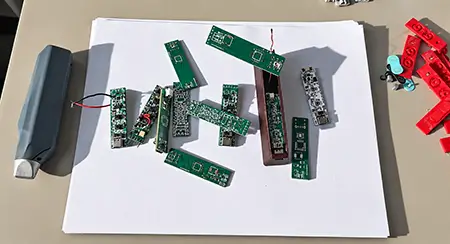
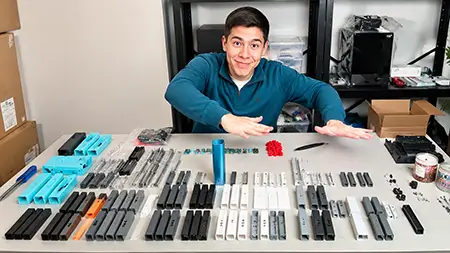
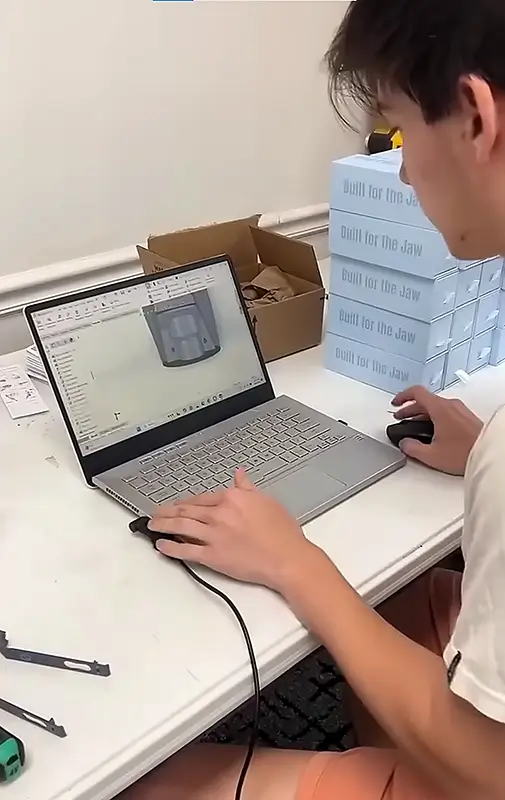
Noam has a background in engineering and product design. In 2023, he began developing a portable heat-and-vibration massager for his own TMJ discomfort. Using equipment at a friend’s workplace for free, he went through 12 circuit board versions and nearly 200 housing prototypes. We’ve worked with many customers on new product development, so we know how exhausting round after round of revisions and prototyping can be. It takes time, money, patience, and resilience. Many people reach a point where they just can’t keep going.
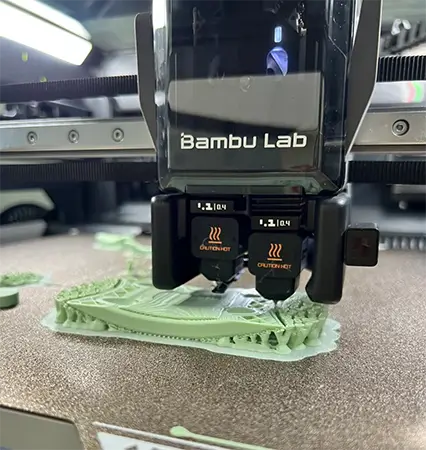
After delivering his first batch, Noam bought his own 3D printer and started making the housings in his apartment, handling assembly and shipping himself. But a printer breakdown shut down production for nearly two weeks, leaving 80 orders backlogged. Some customers also weren’t happy with the rough finish of the 3D-printed housing.
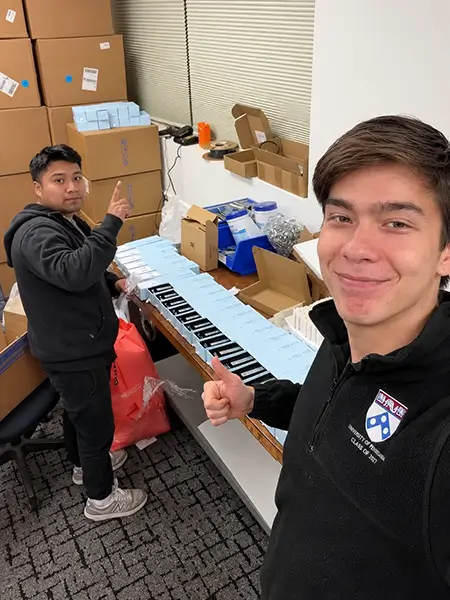
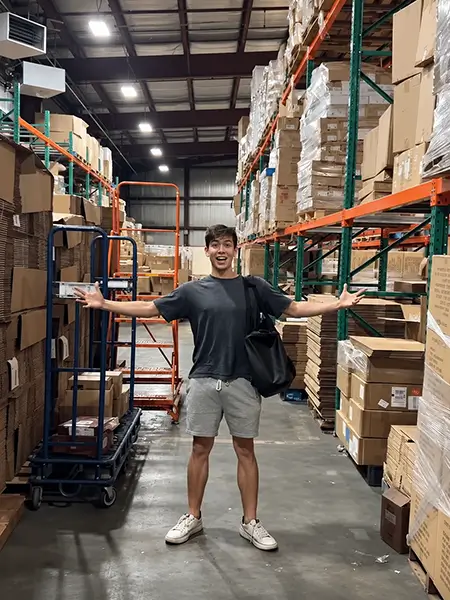
As sales grew, printing and assembling each unit became increasingly time-consuming and costly. Noam tried adding more printers and later moved them to a third-party logistics (3PL) warehouse, where staff helped operate the machines, assemble products, and fulfill orders. But these measures still couldn’t fully solve the problems.
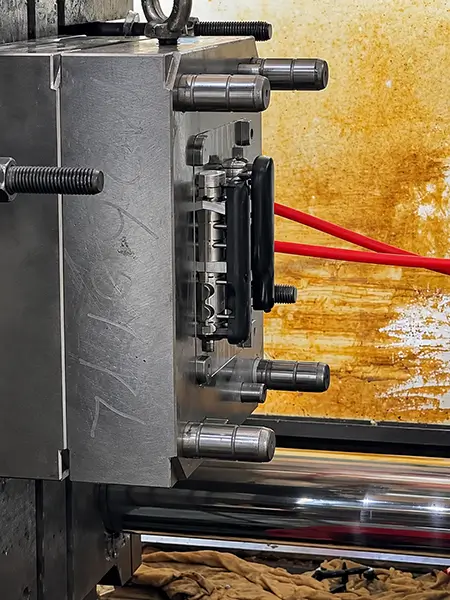
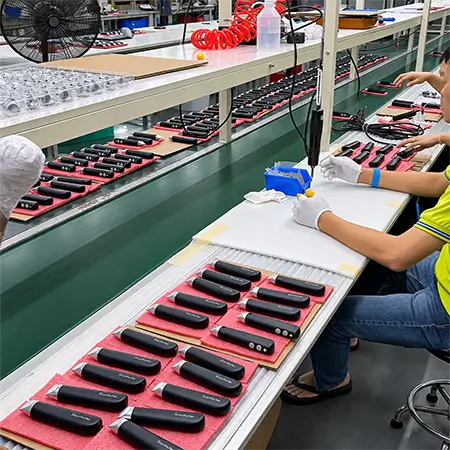
He realized that 3D printing alone could no longer support the business’s growth and that he needed to work with a factory to develop a mold and move to mass production. But tooling required a significant upfront investment, and product development and sampling could take several months. Noam spent quite some time weighing the decision.
It wasn’t until June this year, when TMJ Pen was generating around $400K in monthly sales, that he finally decided to work with a factory in China to develop an injection-molded version.
When does injection molding pay off?
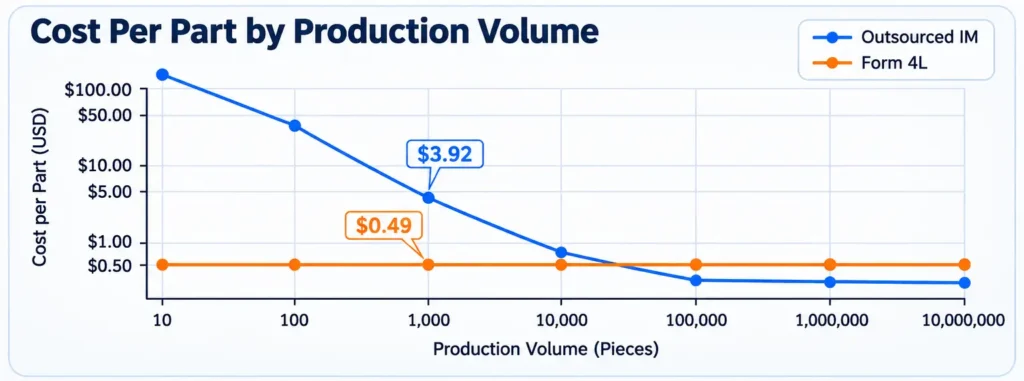
Steadier sales gave Noam the confidence to invest in a mold. But for other sellers, how many units do you need to produce before switching from 3D printing to injection molding makes sense? 3D printing doesn’t require a mold, but the cost per unit is usually higher. Injection molding comes with an upfront investment, but it becomes more cost-effective as production volume increases.
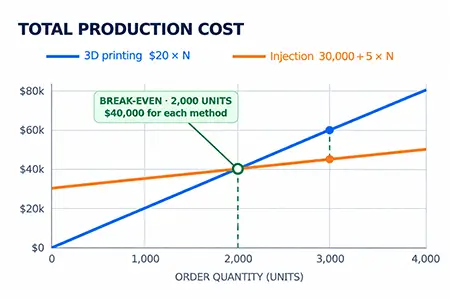
Take a quote we got from a 3D printing farm in Yiwu: $0.20 per gram. A 100g plastic part would cost around $20 to print. If the same part costs $5 to injection mold, with a $30,000 mold, the two methods would break even at around 2,000 units. At 3,000 units, 3D printing would cost $60,000, compared to $45,000 for injection molding, including the mold.
Of course, this is just an example. Real costs depend on materials, labor, finishing, and tooling needs. For instance, Formlabs calculated a crossover point of roughly 13,050 units for a small plastic clip.
Cost isn’t everything, either. If you’re still changing the design or testing demand, a mold can lock you into costly revisions or excess stock. Injection molding makes more sense once the design and sales are stable, especially if 3D printing is limiting capacity or quality.
Challenges of Moving from 3D Printing to Injection Molding
Getting a new product right with injection molding rarely happens on the first try. Even experienced factories that manufacture for major brands often need to adjust the design and molds several times after seeing the first samples. Noam flew to China twice to work with the factory’s engineers on the second-generation TMJ Pen, but the process was still full of unexpected challenges.
Small design changes can affect assembly
With 3D printing, you can quickly update a design file and print a new version. Injection molding is less forgiving. The mold and all the parts need to fit together precisely, and even a small design change can affect how the product is assembled and works.
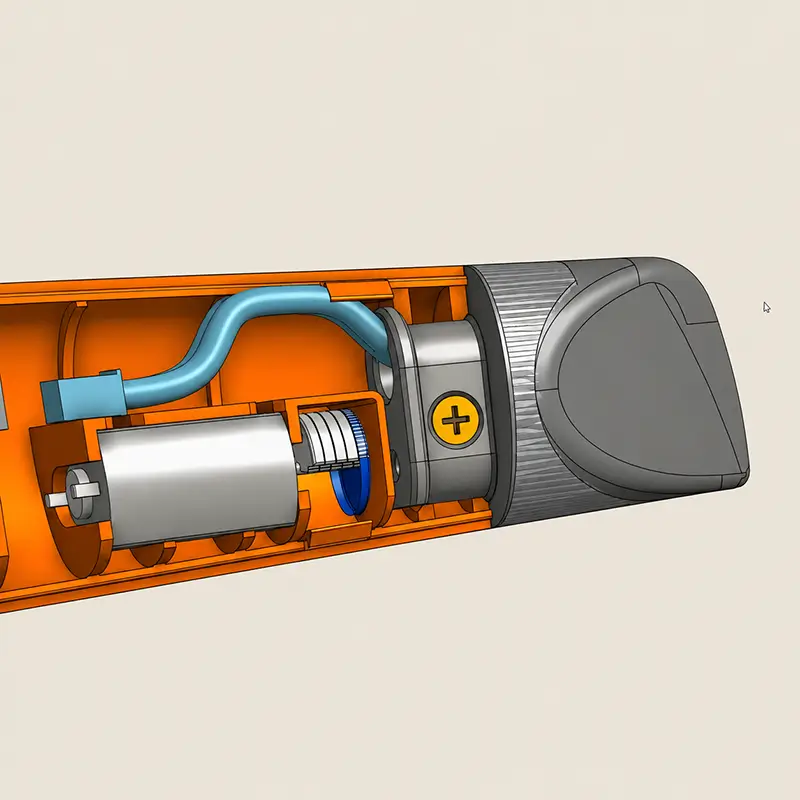
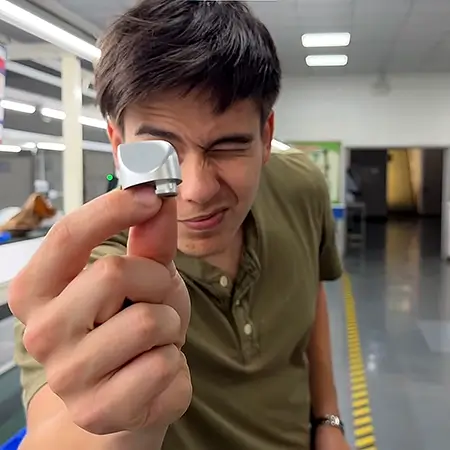
To give TMJ Pen a cleaner look, Noam decided to hide the screws holding the metal massage tip inside the housing. But the first sample revealed a problem: a single screw wasn’t enough to hold the tip securely, and it came loose under pressure. With only five days left before his flight home, Noam and the engineers had to find a fix.
They went back to the CAD files, increased the contact area between the tip and housing, added an internal lip for a tighter fit, and made room for another screw. They also considered using a harder plastic to improve the hold.
What seemed like a simple cosmetic change ended up affecting the entire mounting structure. That’s why it’s important to have engineers review how parts fit together and handle stress before making the mold. It can save you from costly mold modifications later.
Sample defects can delay production and cost sales
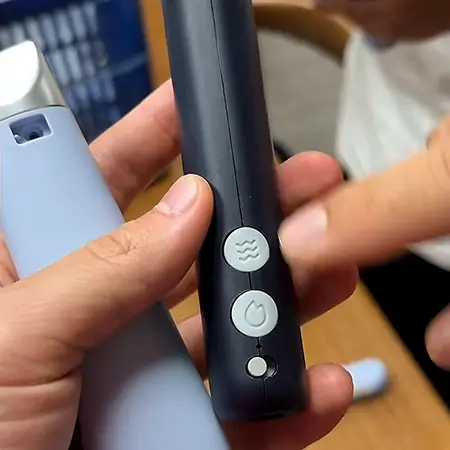
After about four months of development, Noam finally received the injection-molded samples, only to find more problems: visible gaps along the housing seams, crooked buttons, light leaking through the gaps, and a rattling noise when the motor was running.
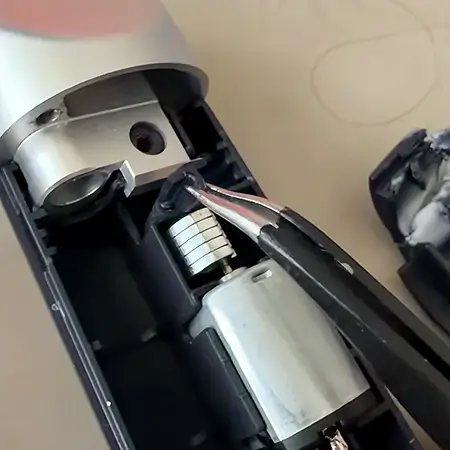
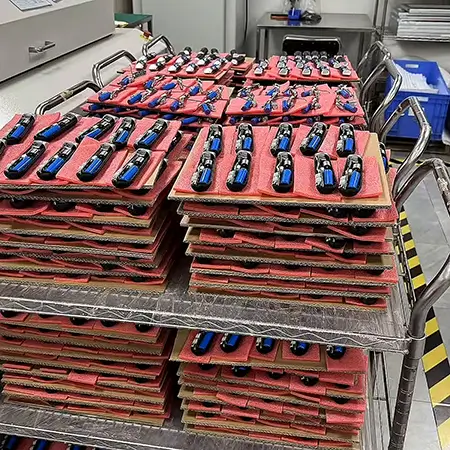
After taking the device apart, they discovered that a plastic protrusion near the motor was hitting one of its rotating parts. With the first batch of around 4,000 units already scheduled for production, the factory decided to trim the interfering plastic for this batch and modify the mold before the next run.
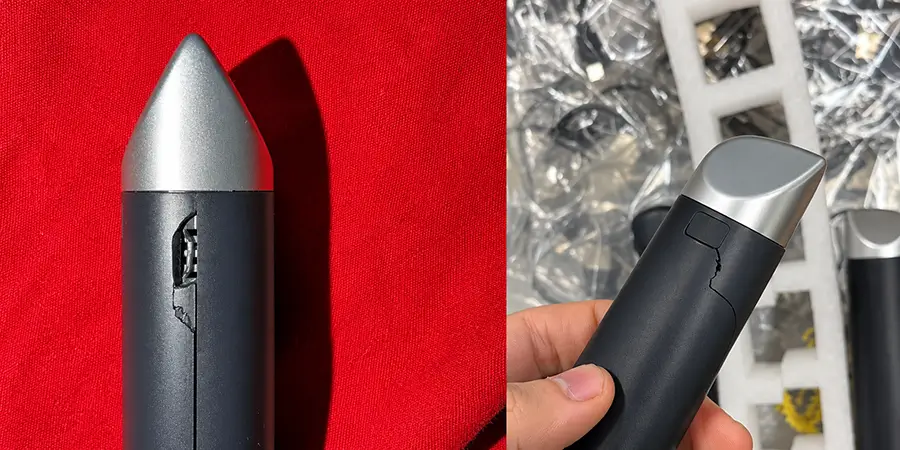
Just when Noam thought he could finally relax and wait for the first production batch to arrive, another major problem came up. Some of the 12 samples he’d brought back to the US developed cracks in their housings after being used for a while.
After months of work, this was the last thing he wanted to see. He immediately contacted the factory to investigate. Despite running several tests, they couldn’t reproduce the cracking and suspected that the battery compartment was too tight, putting constant pressure on the housing.
From our years of helping customers develop new products, we’ve learned that issues like these don’t necessarily mean the factory is inexperienced. Even skilled manufacturers need time to fine-tune a new product. Some issues simply can’t be anticipated and only show up during assembly, testing, or after extended use.
One problem follows another, while time and money keep adding up, and many people find it difficult to see the project through to the end. But Noam stuck with it. Since only a small number of units had shown signs of cracking at that point, he decided to continue selling the first batch, offering free replacements or partial refunds to affected customers.
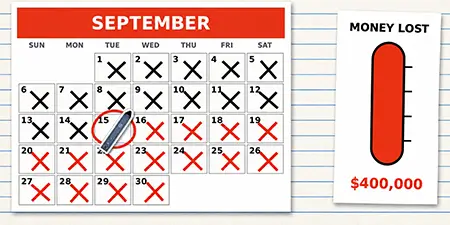
All these setbacks also affected deliveries. The first-generation TMJ Pen sold out on September 16, but the second-generation units didn’t arrive until October 12, leaving a 26-day stockout. Noam estimated that this could mean around $260K in potential lost sales, while approximately 2,500 preorders also faced shipping delays.
One small part can delay the whole order
For products with multiple components, getting the injection-molded housing right is only part of the job. You also need to coordinate the production and delivery of all the other parts. Noam didn’t expect a small aluminum massage tip to cause yet another headache.
The TMJ Pen’s aluminum massage tip required CNC machining, and Noam planned to order 4,000 pieces. His first supplier quoted $5 each, twice his target price of $2.50. Luckily, the factory handling injection molding and final assembly also had CNC machines and agreed to make the tips for $2.50 each.
Noam thought he’d solved the cost problem, but once production started, the factory realized machining the tips was much slower than expected. They couldn’t meet the deadline and had to raise the price back to $5.
To make matters worse, the first-generation TMJ Pen was almost sold out, and the new version was still waiting on this critical component. Noam estimated that the delay put around $400K in potential sales at risk, with each day out of stock potentially costing him another $15K in sales.
With orders waiting to be shipped, saving on freight was no longer the priority. The factory switched to a material that was easier to machine and arranged partial deliveries, while Noam decided to air-freight part of the shipment. Air freight cost about eight times as much as sea freight, but it saved roughly 18 days.
Subscribe
Subscribe to us to see more case studies like this one, plus startup stories, product ideas, sourcing insights, and China sourcing stories.
Wholesale and Customize
Have great product ideas but not sure where to start? Or maybe you’re looking to buy products in stock, add your logo, customize packaging, or place a small order for quick testing?
Share your ideas. Get affordable, and effective sourcing solutions!