4 Self-Service Machines We Helped Clients Source from China
We respect our clients' privacy. The product examples shared are partial displays or similar categories, carefully chosen to protect confidential information.
Since last year, we’ve been helping clients source various “business-in-a-box” machines designed for low-labor, low-maintenance operations.
While sourcing directly from China can often save 50%–70% compared with buying locally, it also comes with hidden challenges, from payment system compatibility and after-sales support.
Today, we’re sharing the on-the-ground sourcing details behind 4 recent projects, including the real issues we ran into and how we fixed them.
Smart Vending Machines: From One Machine to a Scalable Route
Saving 20%+ budget for a US client
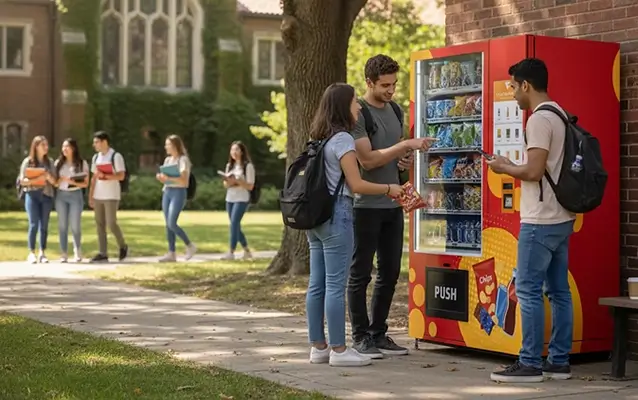
A US client wanting to buy vending machines and place them in locations such as shopping malls, office buildings, and college campuses.
He told us in the US market, a combo vending machine with a large display screen for drinks and snacks usually costs between $6,000 and $12,000. High-end smart vending cabinets can even go above $20,000.
He needed 5 machines on a tight budget but didn’t want to cut corners on quality. So we helped him compare suppliers and find suitable options in China.
Based on the machine size, payment methods (cash + card payment), product type (drinks + snacks), and usage environment (indoor high-traffic locations) provided by the client, we quickly narrowed down the right models.
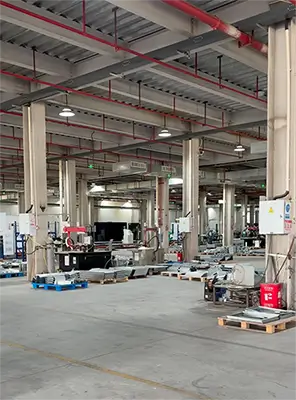
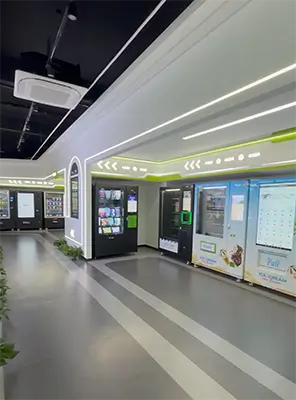
We found a factory we regularly work with in Changsha, Hunan province. It is one of the largest vending machine manufacturers in China, with a 10,000-square-meter warehouse, annual exports of over 10,000 machines, and customers span 100+ countries.
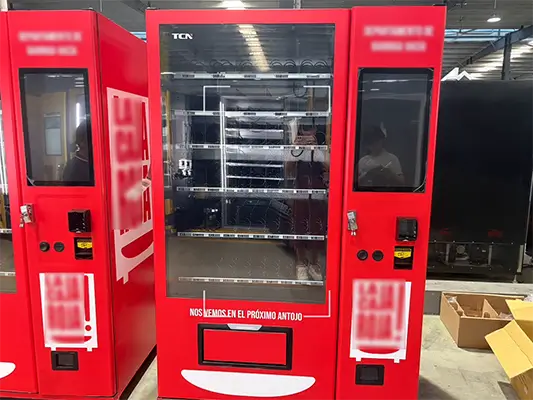
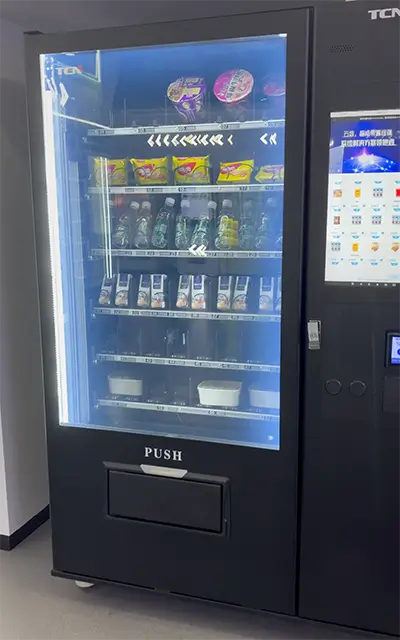
The models he wanted is a drink vending machine with a 21-inch touchscreen and a snack vending machine with a 32-inch display. Logo customization was included at no extra cost. The final price was about 20% lower than the options he found himself, around $5,000–$8,000 per machine depending on the configuration.
Image for reference only not the clients actual product
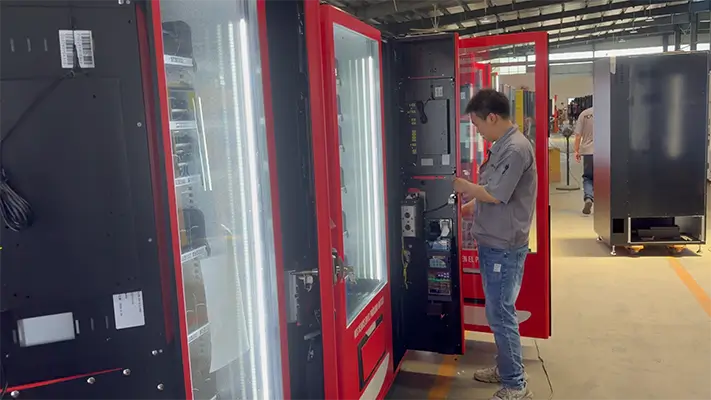
To make sure quality held up, we inspected the machines at the factory and recorded videos of the actual machines in operation for the client to review. Tests included power-on, coin/card payment, product dispensing smoothness, and appearance checks.
After everything was confirmed, the machines were shipped directly from the factory to the client’s freight forwarder warehouse.
On-site factory QC & latest models
But sourcing the machines is only the first step. For a vending business, the real key is long-term maintenance and location expansion. Once you’ve locked in good locations and stable machines, you can scale to 10–20 units managed by one person, creating steady cash flow.
For example, one of our clients in the Dominican Republic, a Caribbean country with a strong tourism industry and growing demand for automated retail. Last year, we helped him source 10 retail machines and deploy them in hotels and tourist attractions.
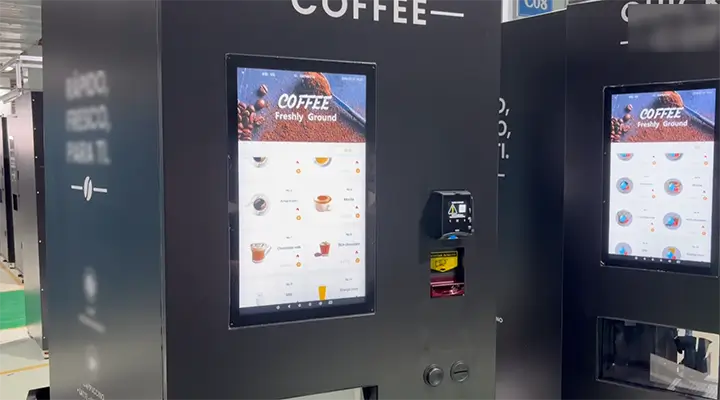
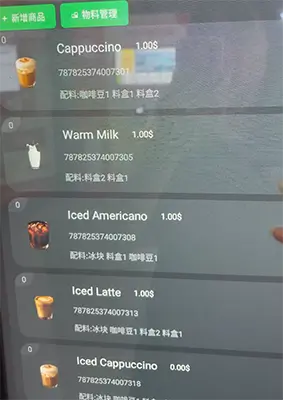
Last month, he placed a repeated order for 20 more vending machines plus 2 coffee vending machines.
Image for reference only not the clients actual product
We went to the Changsha factory ourselves to inspect this batch. All tests are documented with photos.
We also helped him pre-order critical spare parts in advance, such as solenoid valves, temperature sensors, and control boards. That way, if issues happen during daily operation, he can swap parts immediately and get back in business fast.
One of the biggest maintenance problems with traditional spring vending machines is product jams, mechanical failures, and coin acceptor issues.
Many manufacturers are now developing AI-powered smart vending cabinets that allow customers to simply open the door, take the product, and complete payment automatically after checkout. This helps reduce maintenance costs by minimizing mechanical parts and cash-handling modules.
During our factory visit, we also checked their latest product lineup:
Medicine vending machines
Alcohol vending machines
Hot food vending machines for products like boxed meals and pizza
Smart refrigerated vending cabinets
Ice Vending Machines: Solving Local Payment Challenges
Sourcing from China’s refrigeration manufacturing hub
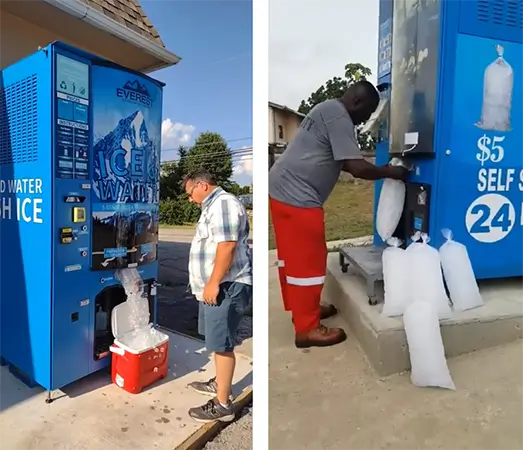
Traditional vending machines require frequent restocking, and products like drinks and snacks can expire or spoil. But ice never goes bad, it simply melts. More importantly, selling ice can generate gross margins of 84–90%.
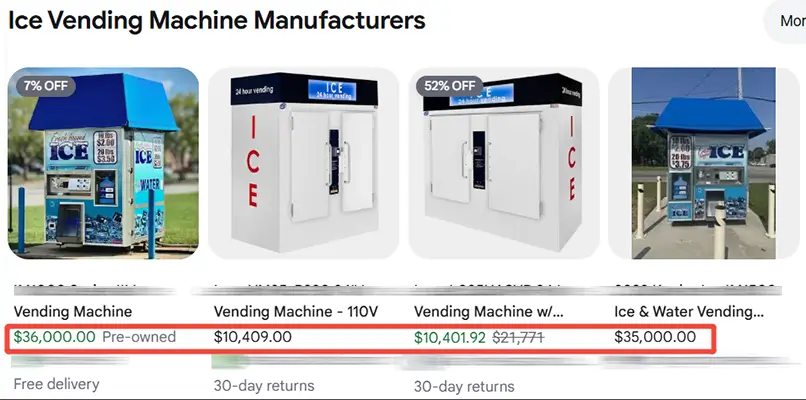
One of our US clients was looking to purchase an ice vending machine. He found that similar machines in the local market typically cost around $10,000–$30,000, so he asked us to help source a more cost-effective option from China.
China’s ice vending machine factories are mainly concentrated in Foshan and Zhongshan, Guangdong. That region has China’s most complete refrigeration and electronics supply chain, so finished machines and key parts like compressors, RO water systems, and bagging robot arms are all easy to source.
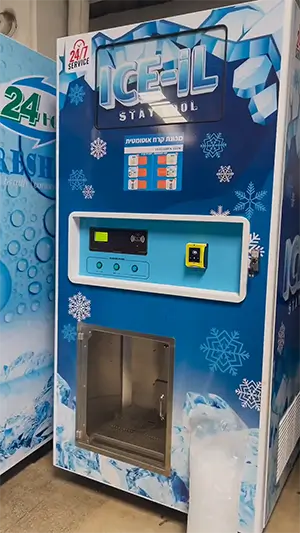
The ice vending machine we sourced takes up only about 1 square meter of space, around 10 times smaller than traditional ice-making setups. It only requires a power connection and water supply to start. It can dispense a bag of ice in about 10 seconds. Factory pricing starts at around $5,000–$6,000 per unit.
Solving local payment compatibility challenges
When sourcing vending machines from overseas, one of the biggest challenges is making sure the payment system works in the local market.
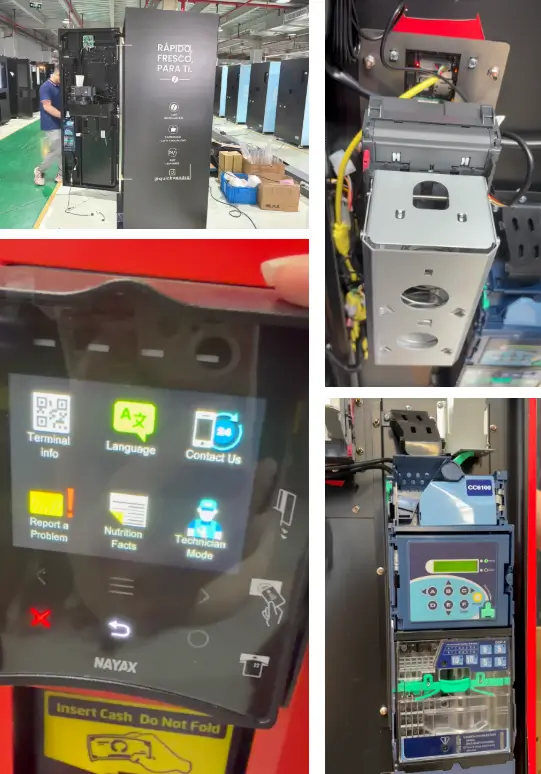
One of our Malaysian clients found a supplier on their own and bought an ice vending machine at a price below market. He asked us to help with the factory inspection. During the inspection, we discovered that the machine’s payment system was not actually functional.
We immediately contacted the factory owner and found out that their payment software was still under development. To make the machine support standard card payments, they would need to spend an additional $50,000 to develop a compatible system.
Luckily, we had already worked with different types of vending machines, including water vending machines and drink vending machines. Our partner suppliers already have mature sales systems that can directly match the machine.
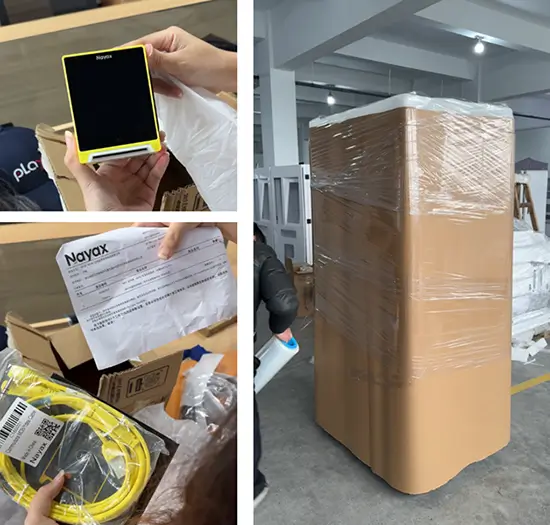
The only remaining challenge was adapting the payment method to the local market. We purchased a Nayax card reader compatible with Malaysia, shipped it to the factory, and had the technicians install and test it. The final test passed smoothly, and the total cost was only 500 dollars.
One of our European clients noticed the growing popularity of self-service photo booths on Instagram and wanted to purchase a batch of machines to place in shopping malls, cinemas, and university areas.
We found a factory that specializes in self-service photo machines. After reviewing their catalog, we found that today’s photo booths are completely different from the old-style machines.
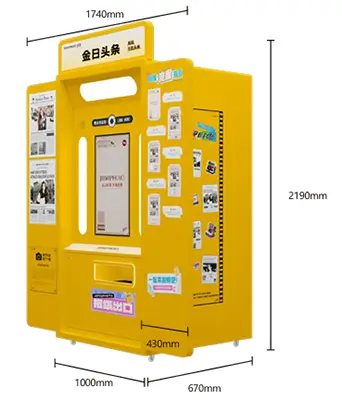
Newspaper-themed photo booth
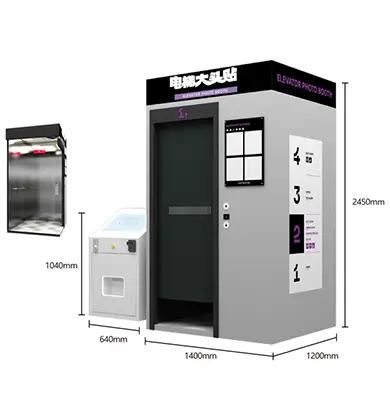
Overhead view of an elevator scene
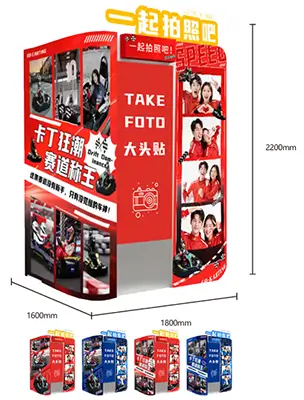
Race track themed photo booth
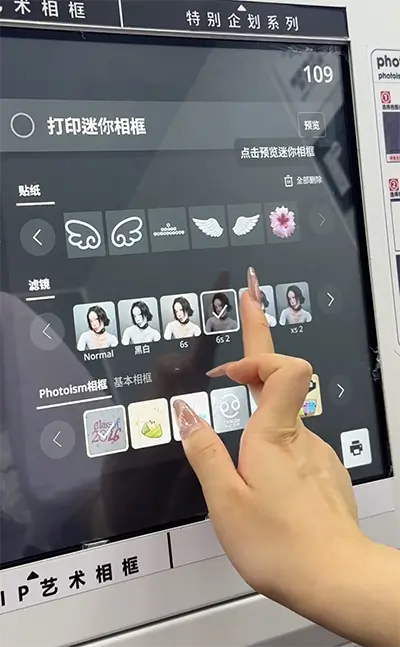
For example, this Korean-style selfie booths have become popular among younger users. Customers can simply choose beauty filters and photo templates, adjust the shooting angle, and start taking photos. Prices typically range from $400–$700 per unit, depending on the screen size and features.
There are many types that can be deployed in different scenarios:
Selfie booths / photo sticker machines: Ideal for shopping malls, university areas, and entertainment districts with younger crowds
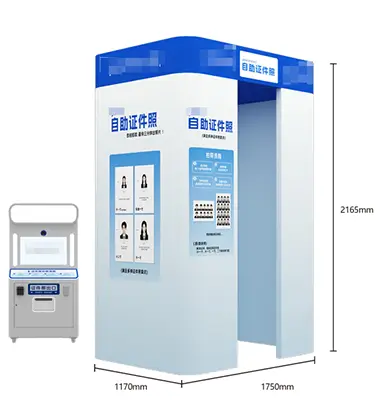
Passport photo kiosks: Designed for high-frequency needs in places like government service centers, subway stations, schools, and hospitals
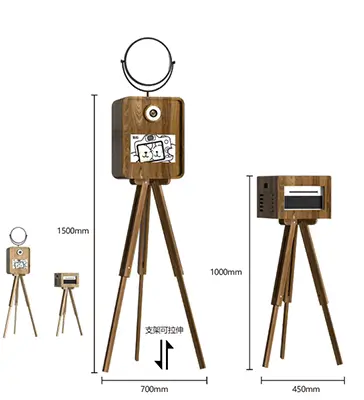
Outdoor interactive photo booths: Commonly used at weddings, parties, and corporate events
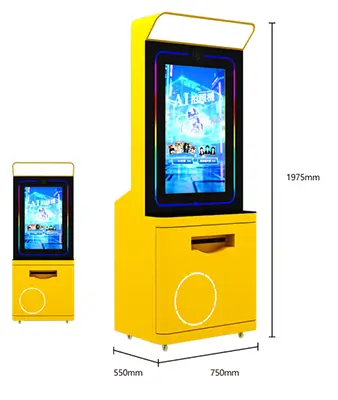
Language, interface style, and photo frames can all be customized. For machines equipped with AI features, operators can also offer AI beauty filters, AI background replacement, and AI passport photos to increase revenue per customer.
Self-service passport photo booth
Event photo booth
AI interactive photo booth
Outdoor Water Vending: Turns Tap Water into Daily Profit
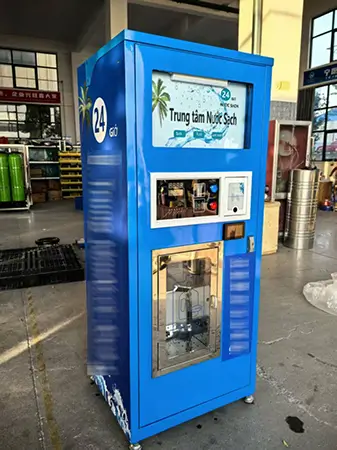
One of our Southeast Asian clients wanted to buy this kind of automatic water vending machine to place near residential communities. It only needs to be connected to the local water supply.
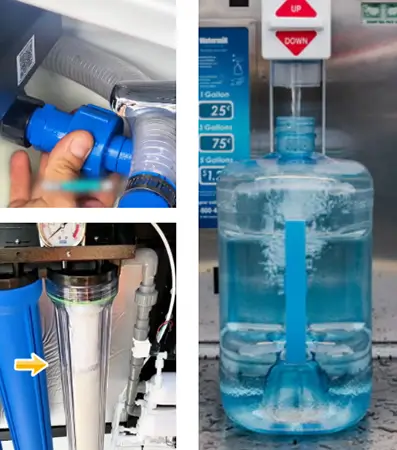
Inside, the water goes through multiple purification stages, including RO reverse osmosis and UV sterilization, turning tap water into clean drinking water that meets daily consumption needs.
Customers scan a QR code or insert coins, bring their own water container, and fill it up. The factory we sourced for this client offers the most basic models starting at $1,500 per unit.
These machines are very common in Southeast Asia, the Middle East, Africa, and parts of Latin America. They are often placed outside supermarkets, near residential areas, and at gas stations, providing a more affordable and convenient alternative to traditional bottled water delivery.
In regions where tap water has high hardness, poor water quality, or limited access to affordable drinking water, outdoor water vending machines can become a high-frequency daily necessity.
Subscribe
Subscribe to us to see more cases like this one, plus product ideas, China sourcing stories, insights.
Wholesale and Customize
Have great product ideas but not sure where to start? Or maybe you’re looking to buy products in stock, add your logo, customize packaging, or place a small order for quick testing?
Share your ideas. Get affordable, and effective sourcing solutions!