Beyond Container Houses: 3 Innovative Projects for Clients
We respect our clients' privacy. The product examples shared are partial displays or similar categories, carefully chosen to protect confidential information.
We’ve shared quite a few container house projects, from basic living units to fully equipped homes with plumbing, insulation and electrical systems.
But over the past few months, while helping clients source manufacturers in China, we came across 3 container projects that felt very different. Each one was built around a specific business or operational challenges.
Here are the real sourcing cases that caught our attention.
Container That Works Like a Giant Power Bank
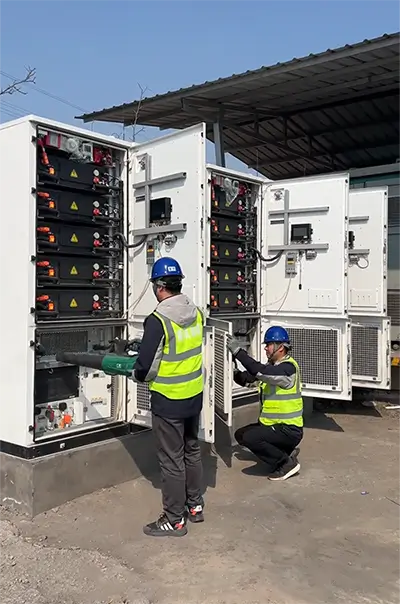
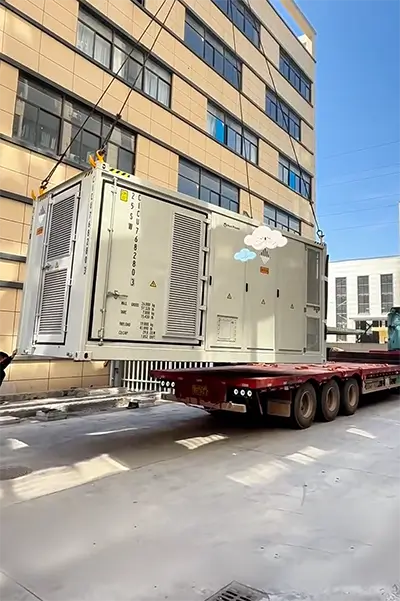
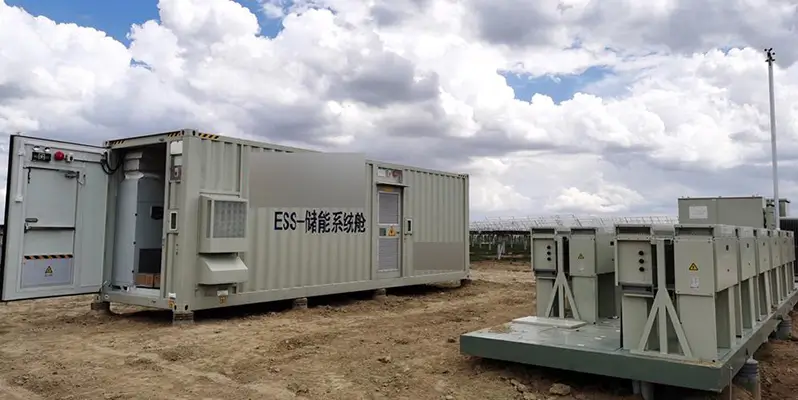
One of our U.S. clients was building a large-scale solar project. After we helped him source flexible solar panels, he also needed a large-scale energy storage solution. We eventually sourced the containerized Battery Energy Storage System (BESS) for the project.
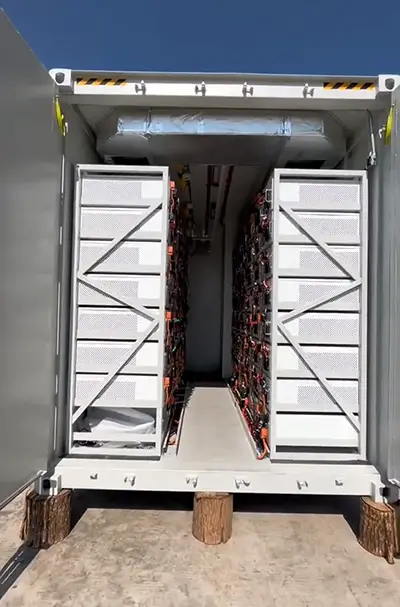
It’s like a giant power bank inside a container. The battery packs, cooling system, fire suppression system and control unit are all installed and tested at the factory, so it’s ready to go once it arrives on site.
The factory offer everything from cabinet-sized units about the size of a refrigerator to utility-scale 20-foot container systems. A standard 20-foot unit can store up to 5MWh of electricity, enough to power a large supermarket for an entire day.
They are commonly used for renewable energy projects, backup power, temporary power supply and facilities that can’t afford unexpected outages, such as factories and hospitals. Since everything is integrated into a single unit, they can also be relocated and reused when needed.
A Coffee Shop That Arrives Ready to Open
Another client from Switzerland wanted to build a container café. The challenge was the cost. A similar project in his local market would cost around $50,000. He asked us if we could find a more cost-effective solution in China.
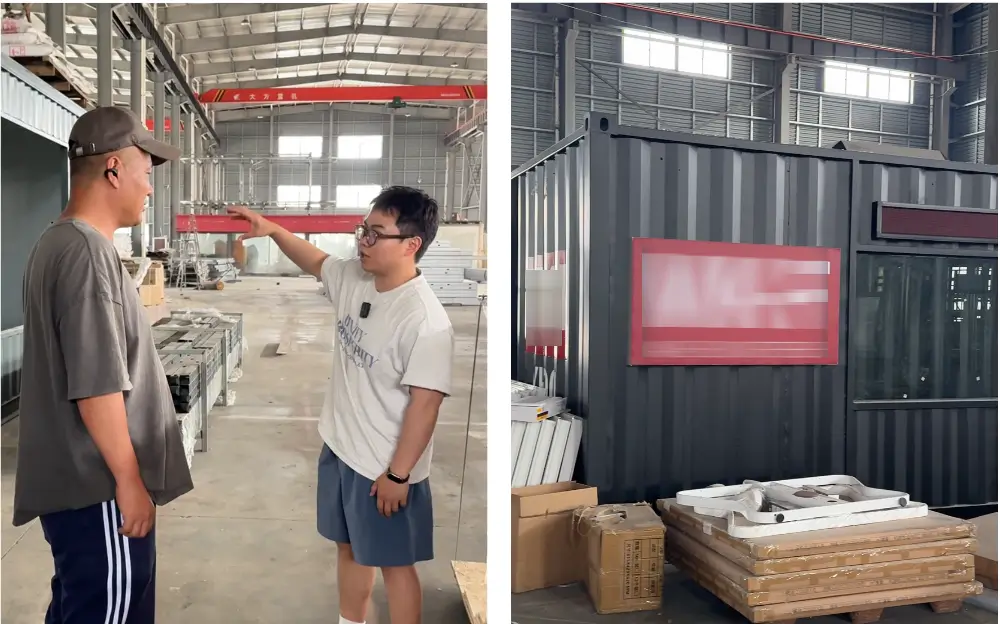
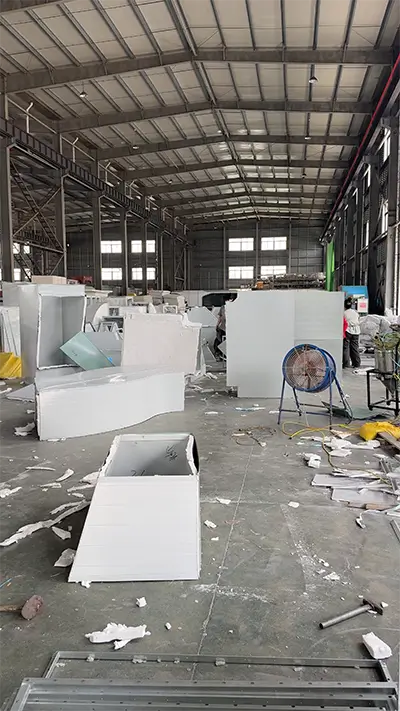
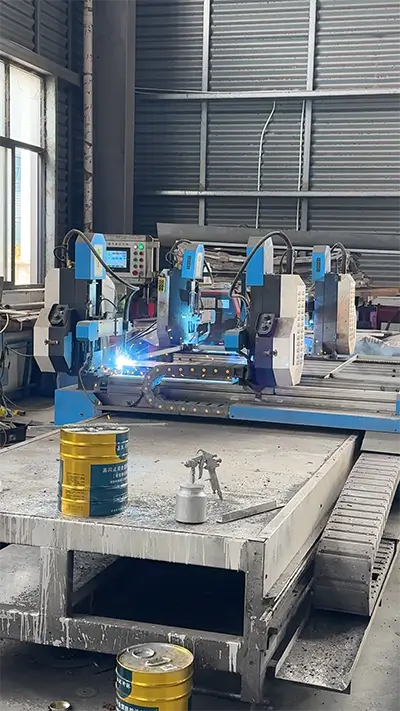
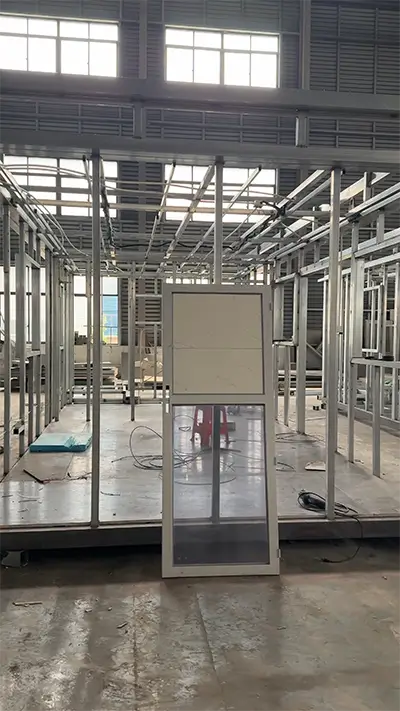
We found a manufacturer in Jiaxing that specializes in turnkey commercial container projects. They’ve completed thousands of commercial builds, including cafés, kiosks booth, pop-up stores and showrooms.
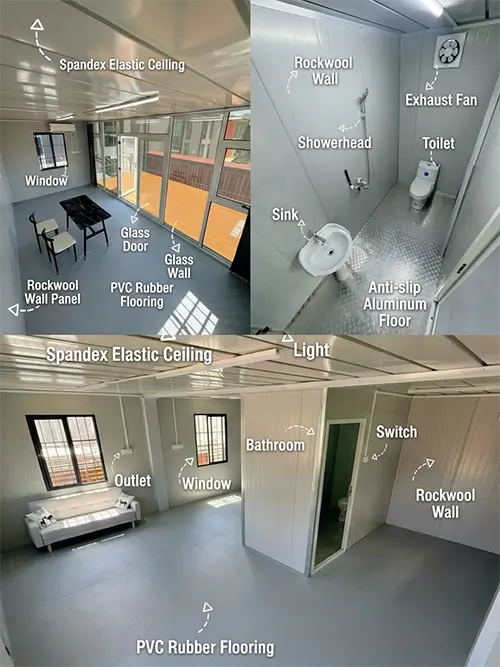
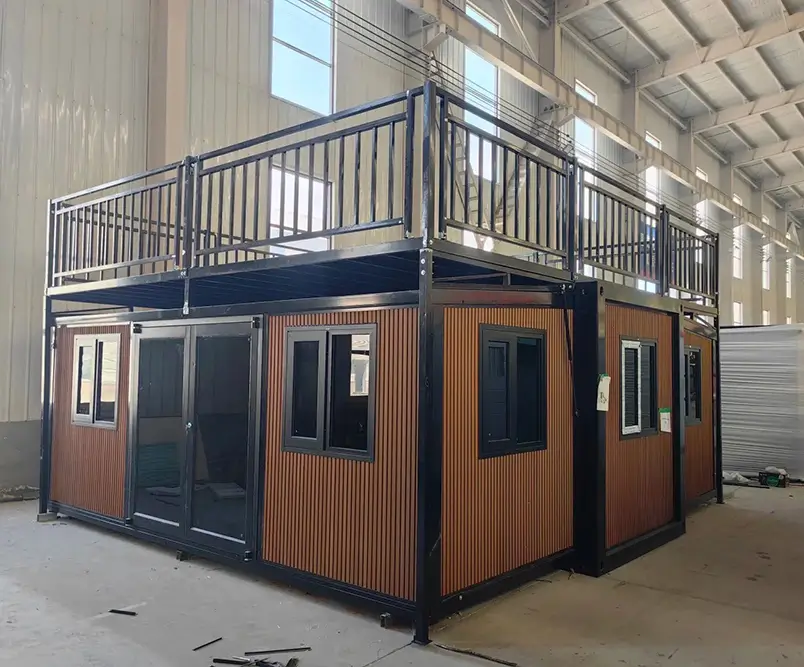
By the time the container is ready to ship, the walls, flooring, wiring, lighting, counters and branding are already finished. The layout, size, color and logo can all be customized. For straightforward projects with smooth communication, production can take as little as ten days.
For this project, we also consolidated the equipment into the same shipment, so the client received almost everything needed to get started.
A Container That Grows Profits
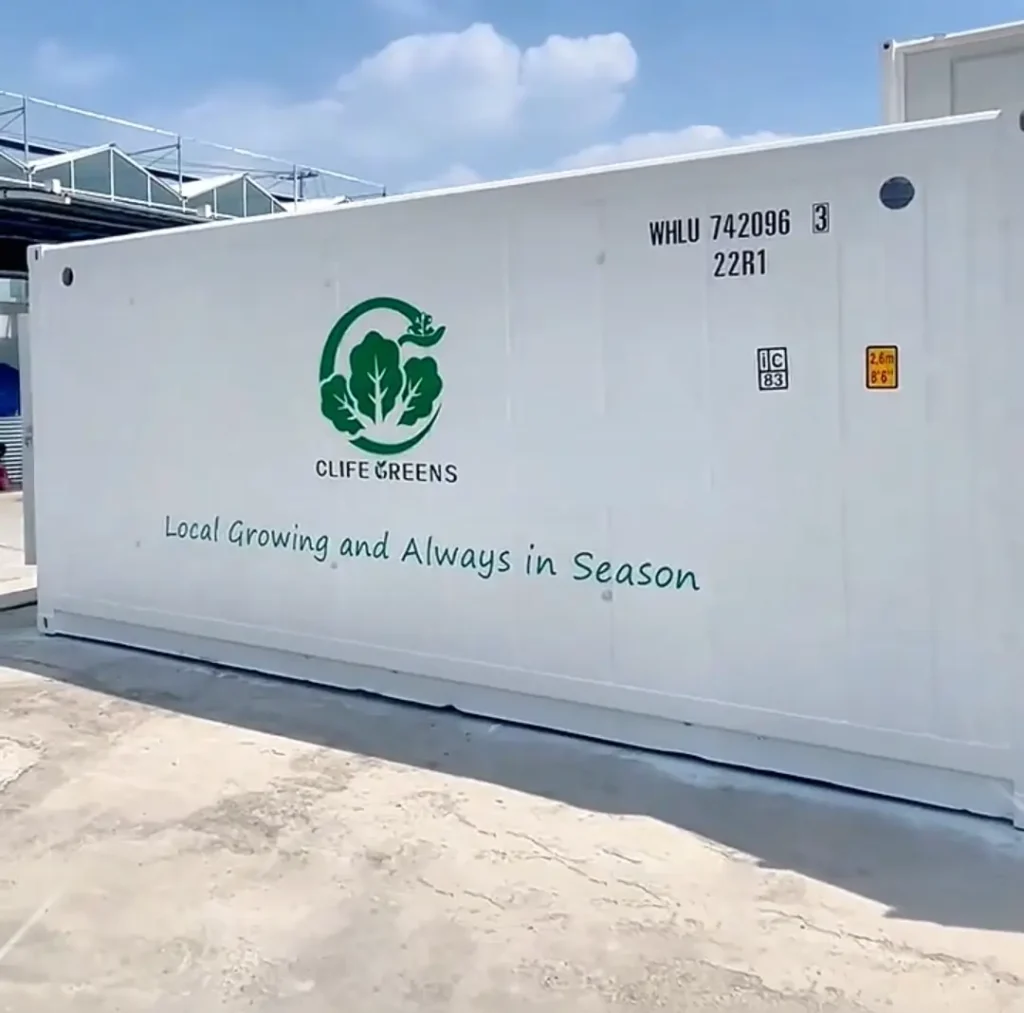
Container-based businesses can be surprisingly flexible when they target specific, high-value markets. Our Australian client wanted to launch a hydroponic farming business to supply local agricultural customers, but a similar hydroponic container system would cost over $200,000 locally.
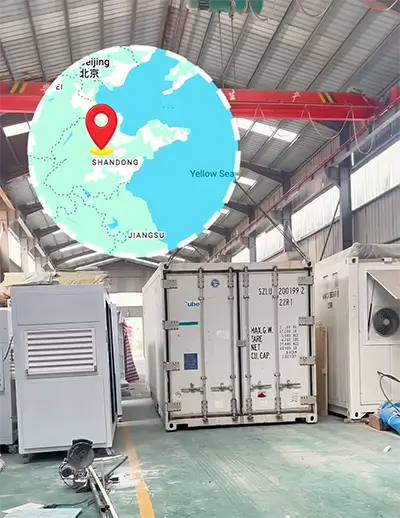
So we eventually found a factory in Shandong, a major manufacturing hub for agricultural technology and cold-chain equipment.
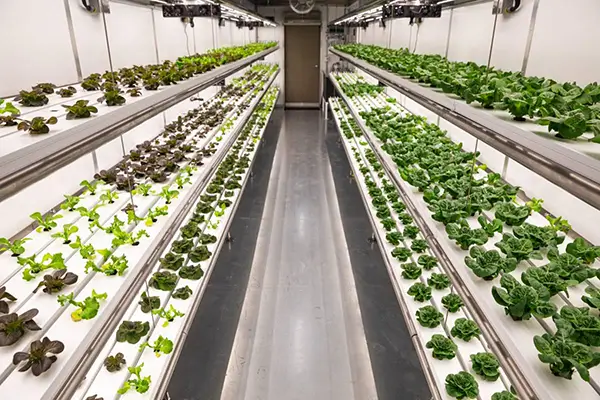
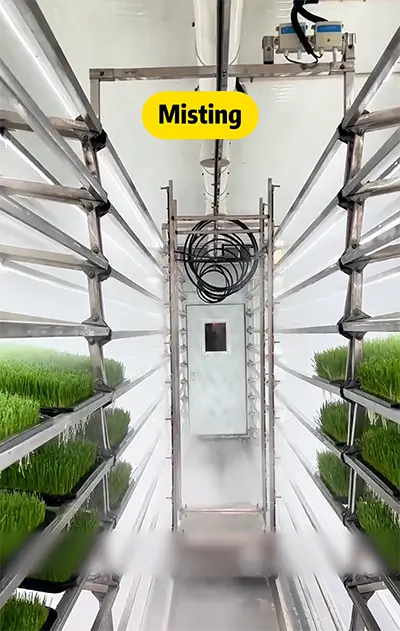
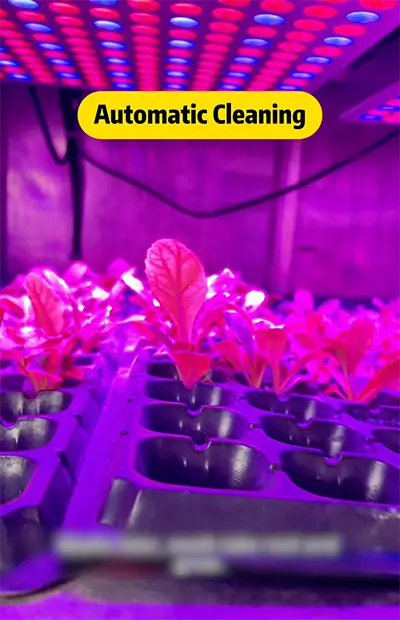
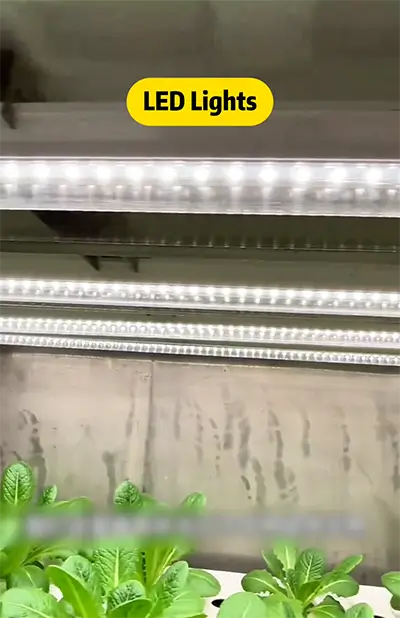
By converting 40-foot refrigerated shipping containers into fully insulated growing units, the factory creates complete hydroponic farming systems equipped with LED grow lights, climate control, automated irrigation and sterilization systems. This allows crops to be grown year-round with minimal manual work. Prices start at around $11,000.
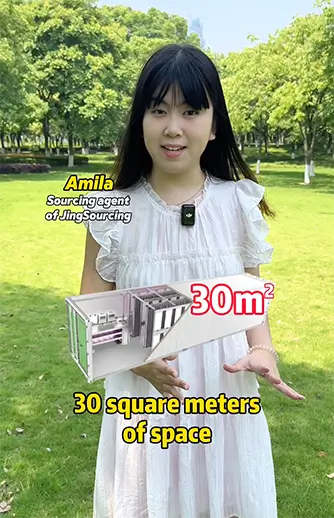
Despite taking up only about 30 square meters, a unit this compact can generate output comparable to several acres of traditional farmland. while shortening growing cycles by around 30%.
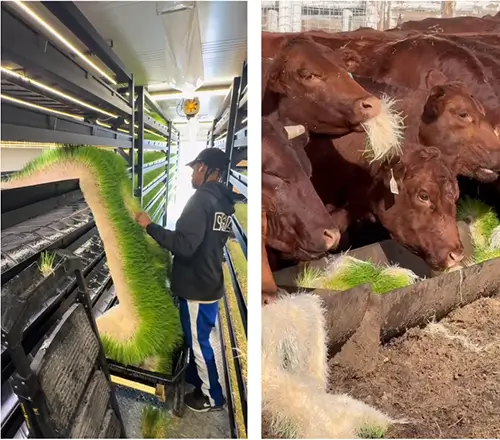
In extremely dry environments, the water savings are impressive. Growing one kilogram of barley fodder traditionally can require around 400 liters of water, while the hydroponic system uses as little as two liters.
The client’s plan was to supply fresh fodder to local farms, where imported hay is expensive. Based on his calculations, production costs were around $75 per ton, while fresh fodder could sell for $200–300 per ton.
While storage and temporary sites remain the most common uses, shipping containers are now being transformed into solutions for very different industries.
Energy storage. Retail. Agriculture.
Three completely different markets, all using the same platform to solve different challenges. Of course, turning a shipping container into a specialized business solution often involve complex design, multiple suppliers and higher development costs.
From our experience, Chinese manufacturers are making these solutions much easier to bring to market. By combining different resources across the supply chain, they can deliver more complete, ready-to-deploy solutions.
Subscribe
Subscribe to us to see more cases like this one, plus product ideas, China sourcing stories, insights.
Wholesale and Cutsomize
Have great product ideas but not sure where to start? Or maybe you’re looking to buy products in stock, add your logo, customize packaging, or place a small order for quick testing?
Share your ideas. Get affordable, and effective sourcing solutions!