


MOQ is often discussed in the context of inventory or restocking planning.
But in this guide, we’re talking about the MOQ you run into when dealing with factories — the minimum quantity a factory requires to get production started.
This guide isn’t about pushing MOQ as low as possible.
Instead, it’s based on real sourcing experience and focuses on which MOQs are actually worth negotiating, when it makes sense to change your approach early on, and what practical options you have when suppliers tell you, “This quantity doesn’t meet our MOQ.”
- What is MOQ in the supply chain
- Why do factories set MOQ
- What really drives MOQ differences across products
- Which product types usually have more flexible MOQs
- Which types of products usually have rigid MOQs
- When and how MOQ negotiation actually works
- MOQ blocking your project? How JingSourcing can help
What is MOQ in the supply chain?
MOQ refers to the minimum order quantity a supplier is willing to accept to start production or fulfill the order. Below this threshold, suppliers usually won’t take the order — or they may adjust pricing and terms.
En produit fini wholesale sourcing, the most common MOQ structures are:
- By quantity — for example, MOQ: 500 pcs/SKU
- By order value — for example, MOQ: USD 2,000/order
Why do factories set MOQ?
Factories set MOQs not to make things difficult for buyers, but to cover fixed production costs and make production worth running.
Upfront costs don’t change with order size
Whether the order is small or large, factories still need to set up machines, prepare molds, and confirm samples. These upfront steps take time and labor.
When the quantity is too small, these fixed costs can’t be spread out properly — so either the factory says no, or the costs get pushed into the unit price.
Raw materials also have MOQs
Some MOQs don’t come from the factory itself, but from upstream suppliers. Raw materials, semi-finished components, and accessories often have their own minimum order requirements.
For example, plastic production de jouets requires plastic pellets, usually purchased by the ton. In apparel production, fabrics are typically ordered by the meter, often with MOQs of 300–500 meters. Trims such as zippers and buttons also have MOQs.
What really drives MOQ differences across products?
Standardized, ready-made products have lower MOQs
For highly standardized daily-use products with mature designs already on the market, MOQs can range from just a few dozen to a few hundred units. These products usually rely on existing molds and well-established production lines — such as storage boxes, coasters, and other small household items.
If the supplier already has inventory in stock, the MOQ can be even lower, sometimes just a few units.
For the same type of ready-made, standardized products, MOQs on Alibaba are usually similar to those across Plates-formes chinoises de commerce de gros.
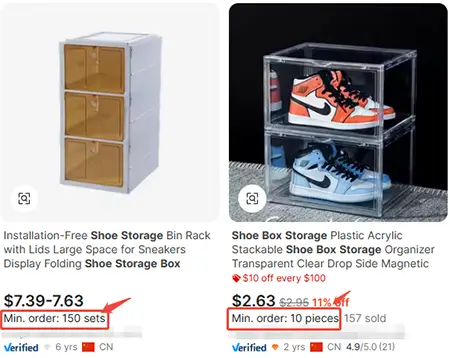
Alibaba
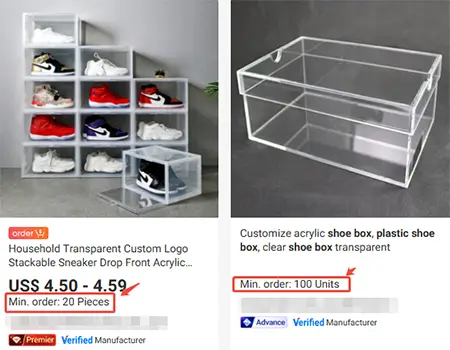
Sources mondiales
In comparison, DHgate focuses more on small-batch wholesale, with typical MOQs starting from just a dozen units per style. Suppliers on DHgate usually display clear tiered MOQs with corresponding prices, which makes the platform more friendly for buyers running small tests or trial orders.
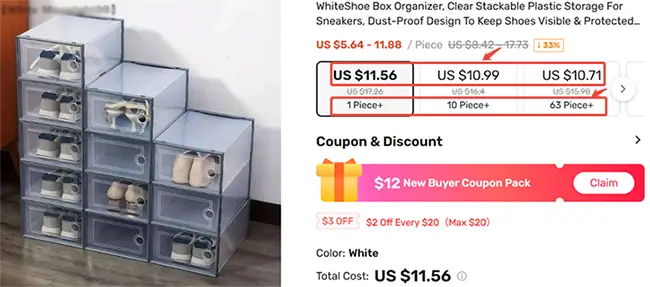
The deeper the customization, the higher the MOQ
Light customization
If you’re making simple changes to existing products—such as adding a logo ou personnaliser l'emballage—the MOQ is usually manageable. For most daily products, it’s typically around 300–500 units per design.
Deep customization
Once you start changing the product materials, structure, or functions, MOQs go up fast. For example:
- Chaussettes sur mesure with special fabrics or non-standard colors usually need at least 1,000 pairs per style, size, and color.
- If private molds are involved, the MOQ often starts at 1,000 units or more.
Which types of products usually have more flexible MOQs?
Handcrafted or semi-handcrafted products
Common examples include:
- Textile products such as clothing and cushions
- Wooden products such as toys, handicrafts, and furniture
These products rely more on manual labor than fully automated production lines, so startup costs are lower and MOQs are generally more flexible.
- T-shirts/hoodies: impression de logos usually requires 50–100 pcs; custom designs based on your artwork typically start at 300 pcs per style per color
- Wooden canapés/office desks & chairs: often 1 piece to start
- Wooden jouets: about 200 pcs per style for simple structures; around 2,000 pcs per style for complex structures
Actual MOQs still depend on the specific product and the level of customization involved.
High-value products
The higher the unit value, the more flexible suppliers usually are with MOQs. For example:
- Custom packaging: regular boxes typically require 300–500 pcs, while high-end gift boxes can start from 100–200 units/style.
- Corrugated display stands: the MOQ is often as low as 10 sets.
- Tricycles électriques: with custom body color, configurations, and branding, suppliers may accept as low as 1 unit, usually treated as a sample order.

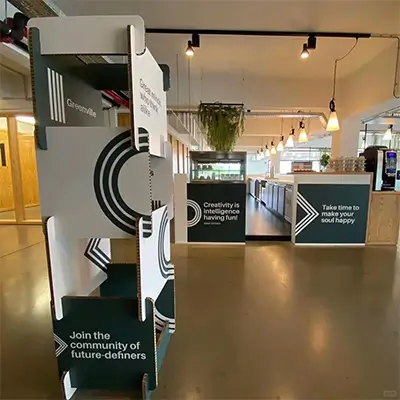

Which types of products usually have rigid MOQs?
Low-value products involving mold development
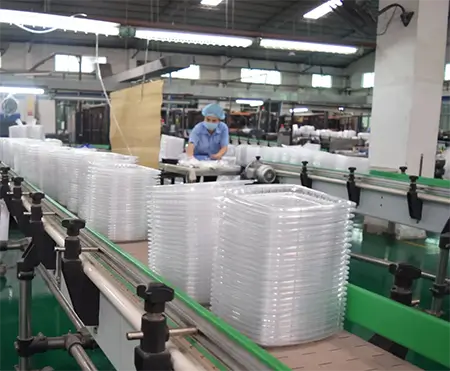
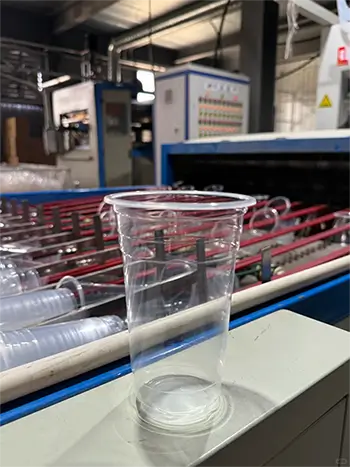
Molding costs often start from a few thousand USD. When spread over low-value products, factories naturally require large order volumes, leaving very little room for negotiation. MOQs are usually quite rigid.
- For example, custom-size plastic bowls or containers — MOQs typically start at around 10,000 pcs.
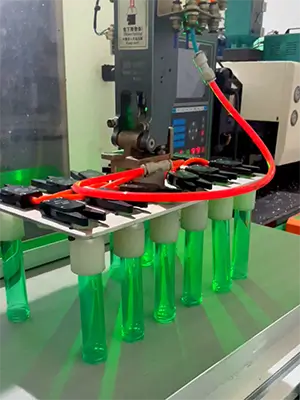
- For cosmetic bottles with unique shapes, the MOQ is typically around 50,000 pcs per style.
Products requiring complex processes or special equipment
Some products cannot be made using standard equipment. For example, seamless sous-vêtements, seamless compression wear, or diabetic socks usually require specialized production machines.
These machines are expensive, and both setup and trial costs are high. As a result, MOQs are not only high but also hard to negotiate.
When and how MOQ negotiation actually works?
1. Don’t ask “Can you lower the MOQ?” — Ask why it’s high
When a factory quotes its MOQ, many people’s first reaction is: “Can you lower it?”
But asking that right away rarely helps. MOQ varies a lot from product to product, so it can’t be generalized. Even with the same product and customization, MOQs can be different depending on how it’s done.
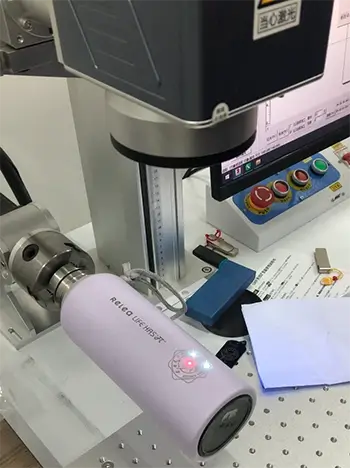
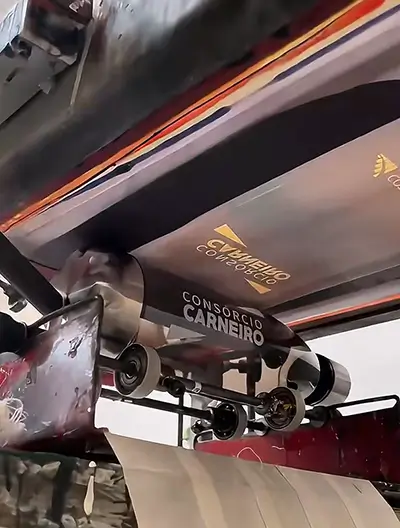
For example, adding a logo to a water bottle: laser engraving can often be done with just one unit, while sérigraphie usually starts at around 500 pcs.
So negotiating MOQ isn’t about pushing the number down right away. It’s about first understanding why that minimum exists, and whether there are alternative ways to achieve a similar result with a lower starting quantity.
MOQ negotiation usually works best when the gap isn’t huge.
For example, if a supplier’s MOQ is 2,000 units and you need 1,500, there’s often room to make it work with the right communication and approach.
2. Accept higher unit prices when MOQ is small
At the end of the day, small-batch negotiation is about finding a balance both sides can accept. Expecting low quantities and low prices at the same time isn’t realistic — factories won’t produce at a loss.
When your order is small, being willing to pay a slightly higher unit price so the factory can still make money often makes them much more willing to work with you.
3. Reduce variants — avoid all-at-once launches
Many startups and even well-funded businesses start with big ambitions—launching a full product line with multiple styles and colors at once.
But this is risky: high upfront costs, long délai d'exécution, and no clear market validation.
A more practical approach is to research first, then test the market with 3–5 high-potential variants—keeping risk, inventory, cash pressure, and total MOQ under control.
Because MOQ is usually calculated per variant—such as style, color, size, or material.
Exemple
Quand customizing handbag colors, the MOQ is often 300 units per color, per style. Launching too many styles and colors at the start quickly pushes the total order size up.
Starting with the three best-selling styles with custom colors keeps quantities manageable and lets you test the market with lower risk.
Another case
We once worked with an animation company that wanted to turn its IP characters into plush toys, silicone figurines, keychains, and phone cases—all at the same time.
What they didn’t realize at first was that each product type required mold development. The molding costs alone ran into tens of thousands of dollars, and the overall MOQ quickly became very high.
That is too risky, especially when it’s still unclear how the market will respond to new IP products.
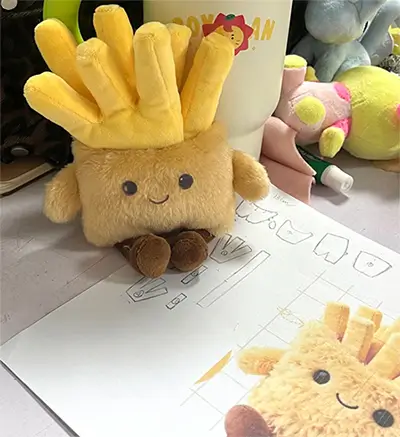
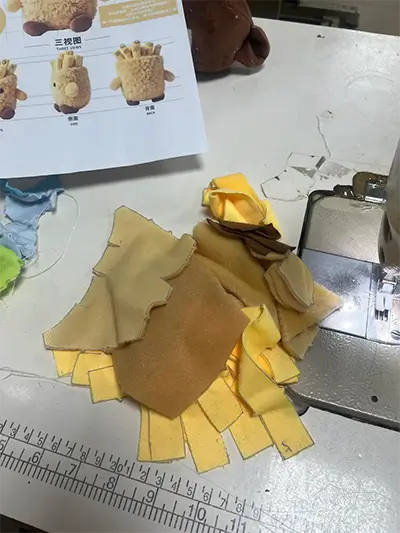
So we advised them to start with plush toys, which have the lowest production cost, and then decide whether to move forward with développement de nouveaux produits based on real market feedback.
A titre de référence uniquement, il ne s'agit pas du produit final du client.
4. Increase the upfront payment
Small orders mean higher risks for factories.
If you’re willing to increase the upfront payment—for example, paying more than the standard 30% deposit and 70% balance, or even paying 100% upfront for smaller orders—factories are more likely to see your sincerity and feel that you’re easy to work with.
In many cases, better payment terms matter more than pushing hard on MOQ itself.
5. Show you’re not a one-off buyer
Share your target market, sales plan, and budget. Show suppliers you’re serious, prepared, and capable of execution—that’s what helps suppliers see long-term potential.
Don’t overpromise. Vague claims like “orders will be huge later” or “we’ll work long term” are things suppliers hear every day—and pushing them too hard can backfire.
Most importantly, keep your expectations realistic. If you’ve already tested the market—through KOL, Kickstarter or Indiegogo campaigns, or actual orders and sales data—show the results directly. That usually makes MOQ discussions much easier.
At its core, MOQ negotiation is a value exchange. The deal only moves forward when the supplier can still make money.
When you can’t meet the MOQ, instead of fixating on a single number, it’s often smarter to be more flexible about how you work together. Getting the supplier willing to work with you and push the project forward matters more than the MOQ itself.
Is MOQ blocking your project? How JingSourcing can help?
Finding suppliers isn’t hard. What really drains time and energy is the communication cost—reaching out to factory after factory, explaining your requirements over and over again, negotiating MOQs repeatedly, and still ending up with results that may not be ideal.
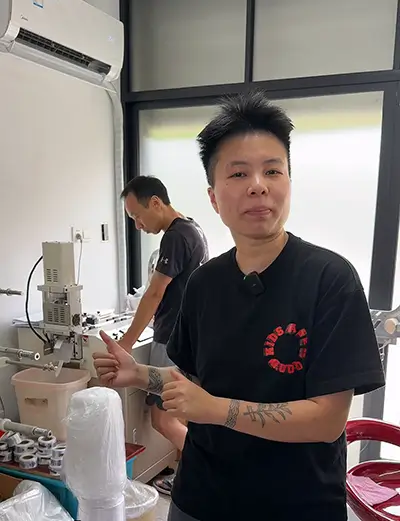
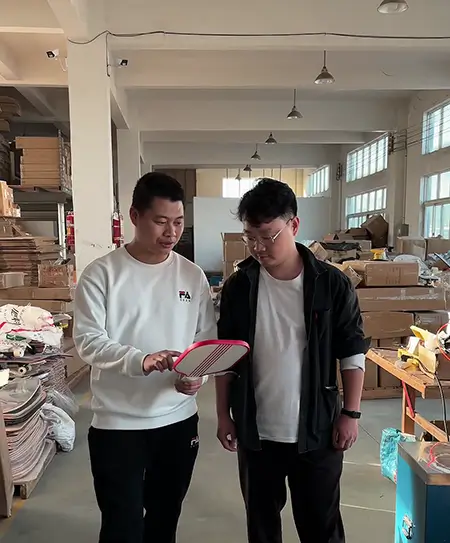
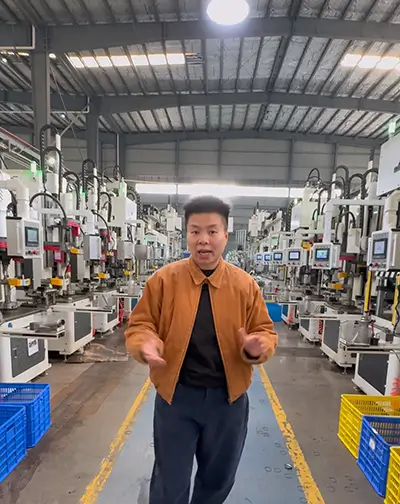
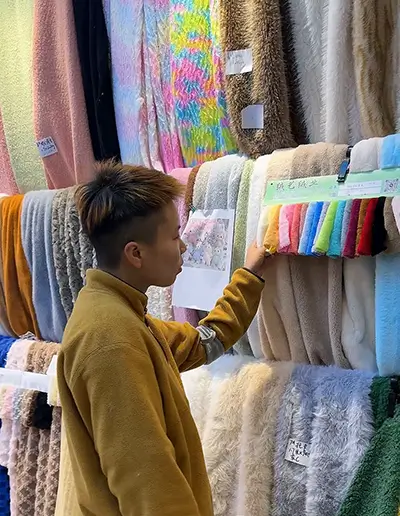
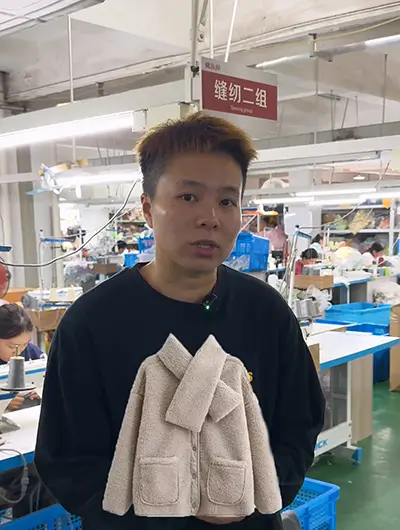
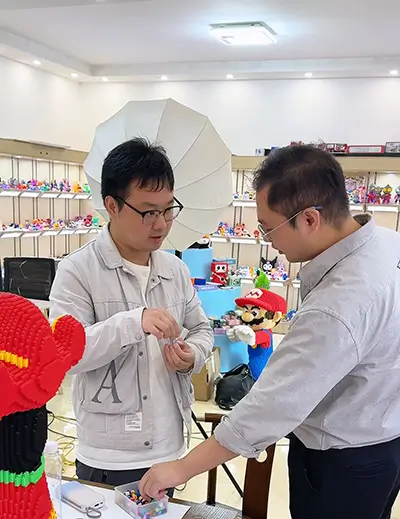
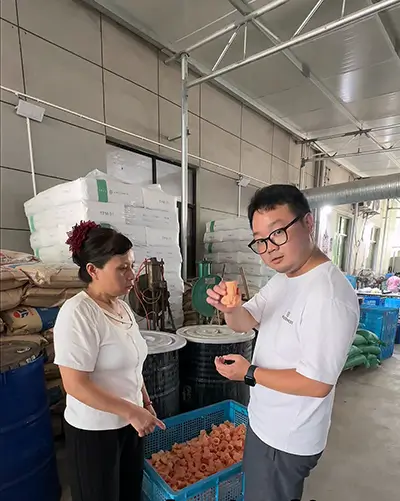
Based in China’s major manufacturing hubs, JingSourcing has always worked closely with factories on the ground. Our network includes small workshops, as well as mid-sized and large factories.
We match you with the right factory based on your actual needs, so you don’t have to keep starting from scratch and learning through trial and error.
Many buyers test the market with small trial orders—reorder quickly if it works, and switch products fast if it doesn’t.
This is similar to Shein’s “small-batch and fast turnaround production model”. What makes this model work is a highly stable and well-developed supply chain behind it.
Our role is to integrate your supply chains in China, making it easy to source.
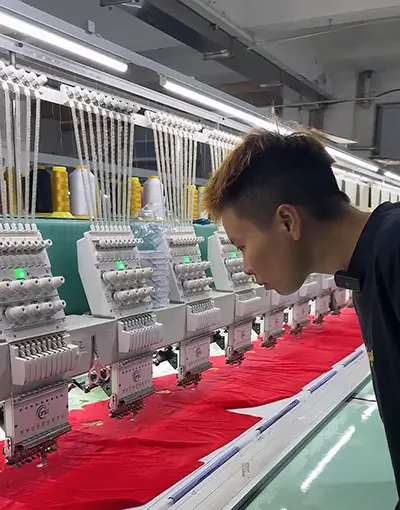
We integrate and manage the entire supply chain for you—from raw materials and components to semi-finished processing, assembly, and final products—coordinating all parties and driving the project end to end. This enables projects to start faster and move forward more smoothly and flexibly.
We handle small orders well. Because we bring factories long-term, repeat business, small orders aren’t the problem—one-off orders are. That’s why they’re more flexible on MOQs and pricing when working with us.
Struggling with MOQ? Source smarter with JingSourcing
- Extensive supplier network across China
- Flexible solutions tailored to your needs
- Competitive pricing with quality control
Intéressant
Bonjour Jing. Je suis un peu confus, car l'activité principale de votre société consiste à aider les grossistes uniquement (avec un MOQ élevé) ou également les acheteurs de petites quantités comme moi (avec un petit MOQ, disons un budget total de commande d'environ $1000-$2000) ? Est-ce que votre agent de sourcing vous aide à acheter des produits existants/prêts à l'emploi auprès de différents fournisseurs sur AliExpress, Alibaba ou 1688, puis à les regrouper en un seul envoi et enfin à inspecter les produits avant de les expédier ? Je suis à la recherche de produits pour bébés/enfants et peut-être aussi de vêtements pour femmes. Puis-je savoir quel est le minimum de commande requis pour ces produits ? Votre spécialiste du sourcing peut-il m'aider à négocier une réduction de la quantité minimale de commande ou au moins m'aider à trouver des fournisseurs qui répondent à mes exigences en matière de prix et de quantité ? J'ai vraiment hâte d'utiliser les services de votre entreprise :)
Jen, permettez-moi de dissiper vos confusions,
1. Nous ne nous contentons pas d'aider les clients dont la quantité est élevée, mais nous aidons également les petites entreprises dont la quantité est faible, par exemple $1000-$2000.
2. Oui, nous pouvons vous aider à acheter des produits existants/préparés auprès de différents fournisseurs d'AliExpress, d'Alibaba ou de 1688, puis à les regrouper en un seul envoi et enfin à inspecter les produits avant de les envoyer. Mais dans ce cas, vous devez choisir les fournisseurs auprès desquels vous souhaitez acheter.
3. Vous avez juste dit que vous vouliez vous approvisionner en produits pour bébés/enfants et en vêtements pour femmes. Sans produits spécifiques, je ne peux pas connaître le MOQ exact.
4. Vous devez nous communiquer les détails des produits que vous souhaitez acheter. Ce n'est qu'à ce moment-là que nous pourrons savoir si nous pouvons vous aider avec le MOQ et le prix que vous souhaitez.
Si vous avez besoin d'aide, n'hésitez pas à nous envoyer un courriel : [email protected]
Bonjour Jing, je viens d'Afrique du Sud et je souhaite créer ma propre entreprise à domicile. Je n'ai pas beaucoup d'argent mais je voulais utiliser Aliexpress pour la protection des acheteurs mais je ne sais pas quel type d'expédition utiliser qui soit sûr et bon marché et où chercher les meilleures options, comment le faire et quels sont les prix, pouvez-vous nous aider ? ?
Il est préférable de choisir des moyens de transport express tels que China air, China post epackage, DHL, FedEX, etc., qui peuvent vous fournir des numéros de suivi, et vos produits peuvent être livrés dans un délai d'environ 20 jours. Ne choisissez pas la société de transport express la moins chère, car vos paquets risquent d'être perdus.
Une bonne occasion d'apprendre beaucoup de choses. Comment commander
Hey Clarah, quels produits voulez-vous commander ?
Noté ! J'ai une petite entreprise qui vend des joints de réparation de pneus et des buses tubeless. J'ai essayé de passer une commande, mais j'ai renoncé en raison de la quantité élevée. J'aimerais trouver un fournisseur à petite échelle qui puisse aider mon entreprise à se développer. Merci de votre compréhension.
Bonjour Vista
Les fournisseurs chinois fixent généralement un MOQ élevé pour la plupart des produits de faible valeur, et les joints de réparation de pneus sont un type de produit de ce type. Il est donc préférable d'acheter ces produits sur le marché local.
Je suis maintenant bien informé.
Quelques bons conseils pour les nouveaux vendeurs de commerce électronique.
Merci Ajay ! Nous continuerons à faire des efforts pour créer plus de bons articles.
Comment pouvons-nous nous procurer des pantalons hygiéniques pour femmes ? Pouvons-nous avoir les caractéristiques détaillées de cette culotte ?
Vous pouvez rechercher sur Alibaba des pantalons menstruels pour femmes, vous pouvez choisir le type qui vous convient. Ou vous pouvez nous demander de l'aide, dites-nous le type de pantalon que vous recherchez, nous pouvons vous aider à trouver des pantalons de meilleure qualité et de meilleur prix.
Je vais vraiment avoir besoin de votre aide.
Bonjour Edwin, que puis-je faire pour vous ? Si vous avez besoin de quelqu'un pour vous aider avec l'importation, veuillez nous soumettre un ticket.https://jingsourcing.com/submit-ticket/