


Precio bajo, márgenes escasos, gastos de envío superiores al producto. Una vez que tienes éxito, el mercado se inunda de imitadores. ¿Es el negocio de las pegatinas una "misión suicida"? Depende. Estamos en una época en la que todo se puede pegar para expresarse. Los vendedores inteligentes han ido más allá de la papelería. Imagínate hojas sueltas a $18 cada una, con marcas especializadas que ganan millones al año. Conozcamos 5 increíbles empresas de pegatinas y veamos cómo las están convirtiendo en una "moneda social" adictiva y en soluciones imprescindibles.
Convertir parches feos en insignias chulas
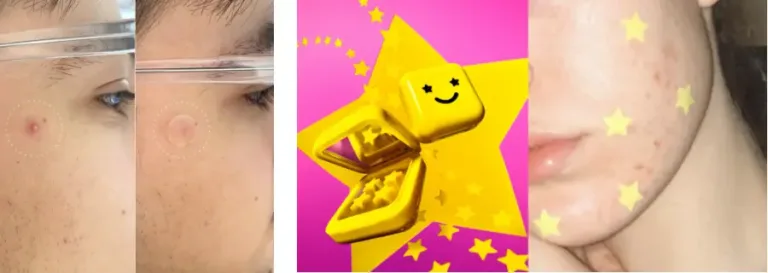
Starface ha vendido más de 1.000 millones de parches, con unos ingresos de $90 millones el año pasado. Utilizaron adhesivos decorativos para darle la vuelta a la narrativa de "esconder el acné". Su fundadora, Julie, ex redactora de una revista de belleza, detectó un vacío en el mercado: todos los productos para el acné implicaban que los granos eran algo que había que ocultar.
Pero como no se puede ocultar del todo un grano, decidió convertirlo en un accesorio. Starface creó intencionadamente pegatinas amarillas con forma de estrella, añadiendo un juguetón accesorio al rostro. Este cambio de mentalidad aprovechó la cultura juvenil, convirtiendo su producto en una moneda social que ahora es muy popular entre la Generación Z.
Para evitar quedar atrapada en una carrera de precios bajos, Starface potenció inteligentemente su marca con la Gran Caja Amarilla y abordó el problema del "uso único" lanzando un servicio de suscripción. Cada tres meses, los clientes reciben automáticamente una nueva caja de parches, convirtiéndose en un producto consumible para que los ingresos sigan fluyendo.
Atajos de maquillaje instantáneos
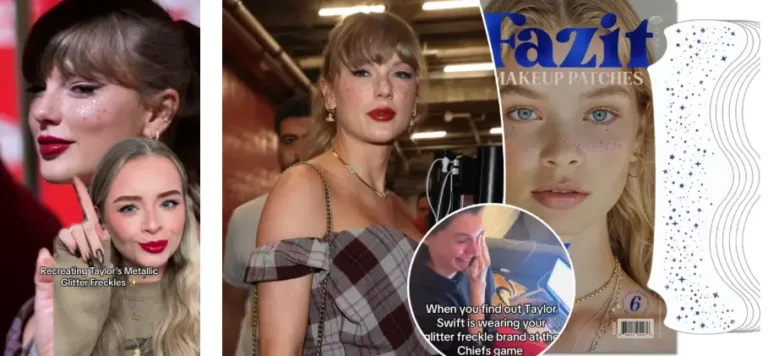
Si Starface convirtió las pegatinas en una forma de quitar la vergüenza, Fazit consiste en acaparar los focos. Su nacimiento fue en realidad un giro desesperado. Su fundadora, Ali Ettinger, quería crear parches funcionales como los de melatonina o los de tratamiento del vello encarnado. Sin embargo, los algoritmos de las redes sociales marcaron sus anuncios como "contenido indecente", acabando con su alcance. Mientras estaba atrapada en este cuello de botella, se dio cuenta de una extraña tendencia viral que consistía en utilizar brócoli para crear pecas falsas.
Esto despertó la curiosidad de Ali: ¿por qué no hacer una pegatina de pecas más fácil? También crearon parches con purpurina para entornos con mucho sudor, como festivales de música y discotecas. Lo que antes llevaba a un maquillador profesional una hora de tedioso trabajo, ahora puede hacerse en 30 segundos. a prueba de sudor y mucho más duradero que el maquillaje tradicional para sobrevivir en los festivales.

Este giro tan brusco llamó la atención de los estilistas de famosos y la demanda se disparó. justo cuando se enfrentaban a retrasos en la producción y a la acumulación de existencias, aprovecharon la oleada para satisfacer los pedidos a través de logística de terceros y Amazon FBA...aprovechando la oleada de tráfico orgánico masivo.
Pieles de alto rendimiento para los entusiastas de las actividades al aire libre
Unas pegatinas transformadas en equipo para exteriores. Con un precio de $18, Hydrascape se ha hecho un hueco en el mercado de las actividades al aire libre con un adhesivo envolvente de 26 pulgadas de largo. Al envolver estas botellas, la pegatina crea un paisaje dinámico y fluido. Es esencialmente una piel de alto rendimiento para botellas de agua, esquís o incluso kayaks, dando al equipo una "piel" única.
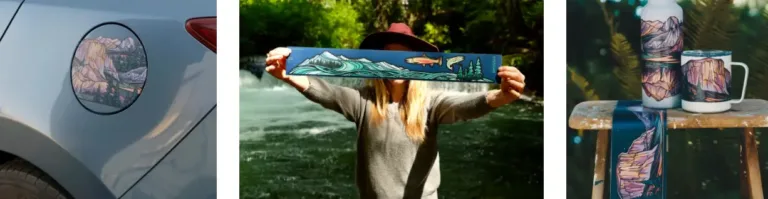
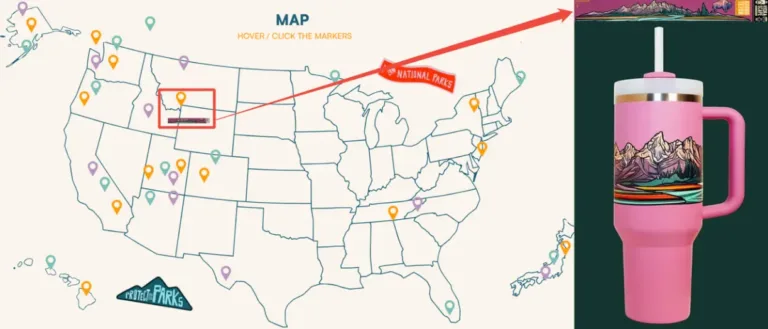
Los diseños están inspirados en parques nacionales reales de Estados Unidos y en lugares emblemáticos de las actividades al aire libre, como el Gran Cañón, Yosemite y el Monte Rainier. Para los amantes de las actividades al aire libre, ya practiquen senderismo, escalada o esquí, estas pegatinas representan "insignias de experiencia", prueba de dónde has estado y de lo que valoras. El valor emocional de estas pegatinas es lo que las distingue y hace que merezcan la pena por su elevado precio.
Para justificar el precio del $18, han duplicado las especificaciones industriales:
- Cara Stock: Vinilo de alta calidad que abraza las curvas como una segunda piel sin despegarse.
- Imprimiendo: Las tintas con protección UV garantizan que los diseños no se decoloren fácilmente.
- Durabilidad: Un resistente laminado Protege la pegatina de la fricción del exterior, perfecta para escalar, esquiar o vivir aventuras duras.
Solución POD inteligente para padres agobiados
Las pegatinas para organizar a los niños venden orden y tranquilidad. Se trata de un negocio de alta retención con una demanda sólida, impulsada por dos grandes quebraderos de cabeza de los padres: los agujeros negros de los "objetos perdidos" y los riesgos para la salud de la contaminación cruzada o las alergias. Dado que reponer un abrigo de invierno perdido cuesta mucho más que un juego de pegatinas $30, los padres lo ven como una compra de "póliza de seguro" nada descabellada.
La mayoría de estas empresas funcionan con un Modelo POD (impresión bajo demanda). Los mejores vendedores han tenido éxito agrupando pegatinas para situaciones específicas. Por ejemplo, ofrecen:
- Un "paquete de campamento" con etiquetas resistentes al calor para botellas de agua y calcomanías resistentes para sacos de dormir.
- Un "paquete escolar" con etiquetas flexibles para ropa que resisten más de 50 lavados industriales.
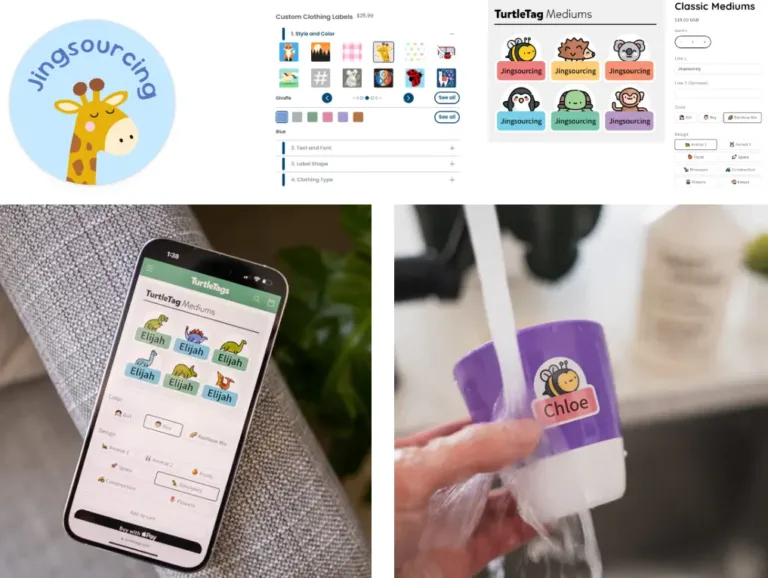
Pequeños vendedores como Etiqueta de tortuga se dirigen a los niños pequeños, con diseños divertidos y caricaturescos que atraen tanto a los niños como a los padres. Puede que los niños no sepan sus nombres, pero reconocerán rápidamente su icono personal de abeja o tortuga. Para los responsables de guarderías que atienden a varios niños, estos iconos brillantes y personalizados son mucho más fiables que las etiquetas manuscritas que se manchan con facilidad.
El proceso de pedido de Turtle Tag consta de tres pasos (elegir un icono, escoger una talla y escribir el nombre) y es sencillo y fácil de usar. Para aumentar las compras repetidas y el valor medio de los pedidos, también organizan ediciones limitadas para las fiestas y promociones estacionales. Los precios habituales de los pedidos oscilan entre $20 y $30.
Wearable Artist Gallery en la piel
Tattly resolvió una enorme barrera psicológica: el deseo de tatuajes personalizados pero el miedo a las agujas, la permanencia y los diseños sosos. Se dirigía específicamente a un público a la moda. Al colaborar con diseñadores de todo el mundo, Tattly consiguió que los tatuajes temporales pasaran de ser estampados baratos a artículos de alta costura. Por cada tatuaje vendido, el artista recibe un canon, lo que crea una fuente inagotable de creatividad para la marca. Este modelo ha permitido a Tattly lanzar continuamente diseños frescos y creativos, posicionándolos como productos artísticos de primera calidad en lugar de competidores baratos y genéricos.
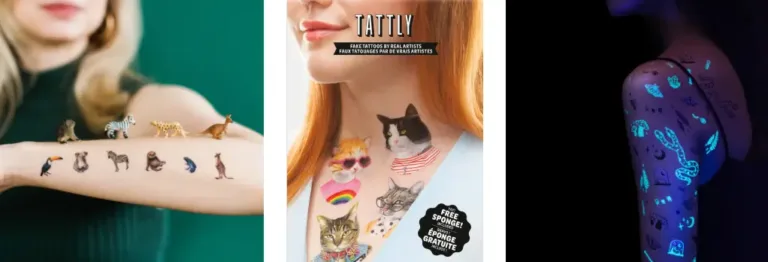
Tattly también destaca en el marketing basado en el escenario. Por ejemplo, participa activamente en festivales de música de primer nivel como Coachella, ofreciendo diseños de moda como tatuajes de estilo Henna. En el espacio B2B, Tattly ofrece a las empresas tatuajes de marca para eventos o actividades de formación de equipos, proporcionando una experiencia de marca única y memorable mucho más allá de los folletos o regalos tradicionales.

Para reducir la barrera de la compra, Tattly utiliza AR (en asociación con plataformas como Tattoodo), lo que permite a los usuarios "probarse virtualmente" un tatuaje antes de plasmarlo en la piel. Para sus colecciones florales, impregnan las pegatinas con los correspondientes aromas vegetales. Cuando te pones un tatuaje de rosa, no sólo parece arte, sino que también huele a arte. Esta fusión de la vista y el olfato duplica el valor y convierte una simple pegatina en una experiencia coleccionable.

Cadena de suministro de pegatinas: cómo convertir el papel en oro
Si nos fijamos en estas marcas, está claro que los negocios de pegatinas de éxito han evolucionado mucho más allá de la "papelería". Entonces, ¿cómo crear un producto de alto margen? Desglosémoslo desde el punto de vista de la producción cadena de suministro y lógica empresarial.
Normalmente, las pegatinas se componen de tres capas básicas: Release Liner, tinta de impresión y laminado. Los materiales más comunes son el PVC (duradero e impermeable), el PET (de gran transparencia y resistente al calor), el papel estucado (económico) y los materiales láser. Las pegatinas de mayor calidad, como los diseños de 4 capas de Hydrascape, o las pegatinas para tatuajes, llegan hasta las 5 capas, añadiendo laminados adicionales y adhesivos de grado médico. Algunas pegatinas especiales, como las perfumadas, incluyen microcápsulas de tinta que liberan fragancia al frotarlas.
Si quieres montar una línea de producción, necesitarás impresoras, laminadoras y troqueladoras básicas, que te costarán al menos unos cuantos miles de dólares. Esta configuración es adecuada para hacer artículos sencillos, como pegatinas para la agenda o diseños decorativos, que abundan en plataformas como Etsy.
Pero cuando se trata de hacer tatuajes al estilo Tattly o pegatinas al estilo Faiz, o cualquier pegatina que deba ser lo suficientemente duradera para su uso en el lavavajillas, tendrá que buscar proveedores profesionales. Las normas de calidad y seguridad exigidas para estos productos requieren equipos industriales para un laminado adecuado.
Vender sólo pegatinas tiene la barrera de entrada más baja, pero también es el mercado más fácilmente replicable y competitivo. Estas marcas nicho destacan por cambiar a accesorios funcionales de alto valor o etiquetas de identidad. Al dirigirse a necesidades específicas y nichos de mercado, pueden servir como accesorios de moda, soluciones de maquillaje, fundas para equipos de exterior o una herramienta de organización.
Suscríbase a
Suscríbase para ver más estudios de casos como éste, además de historias de startups, ideas de productos, historias de aprovisionamiento en China, ideas y consejos prácticos.
Venta al por mayor y Cutsomize
¿Tiene grandes ideas para sus productos pero no sabe por dónde empezar? ¿O tal vez quiere comprar productos en stock, añadir su logotipo, personalizar el envase o hacer un pequeño pedido para probarlo rápidamente?
Comparta sus ideas. Obtenga soluciones de contratación asequibles y eficaces.
Deja un comentario